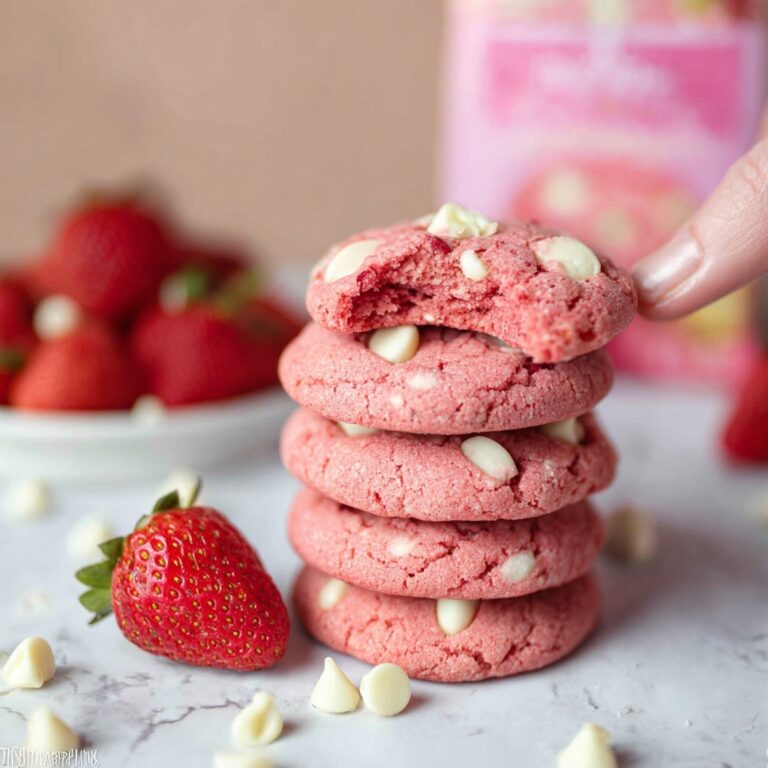

Imagine biting into a biscuit that perfectly combines a tender, fluffy interior with just a hint of chewiness from shredded coconut. The aroma of warm vanilla mingles with the subtle sweetness of coconut and sugar, creating a comforting treat that feels like a gentle hug on a plate. These Milky Coconut Biscuits are the kind of baked good that turns any ordinary moment into a special occasion, whether it’s a quiet breakfast, an afternoon tea, or a casual family gathering. Their balance of milky richness and coconut texture invites you to keep reaching for just one more.
Coconut biscuits have a rich history in many cultures, especially in regions where coconut is a local staple. People have long cherished the way coconut lends not only a distinctive flavor but also a nostalgic note to baked treats. Growing up, many found coco-flavored biscuits appearing alongside warm tea during festive celebrations or weekend brunches. Families often hand down recipes like these, elevating the simple flour-sugar duo into something uniquely comforting and tied to fond memories. It is this blend of tradition and storytelling that makes Milky Coconut Biscuits so much more than a mere snack.
In this Milky Coconut Biscuits Recipe, you’ll learn how to create a biscuit that boasts soft, milky notes unified with coconut’s natural sweetness and texture. This specific version distinguishes itself through the use of cold butter and careful kneading that guarantees tender, crumbly biscuits rather than dense, heavy ones. Unlike other recipes that may call for complicated steps or unfamiliar ingredients, this recipe is straightforward, approachable, and yields consistent results. By the end, you’ll have a reliable, versatile biscuit that feels homemade and heartwarming every single time.
Why You’ll Love This Milky Coconut Biscuits Recipe
One of the greatest joys about baking these Milky Coconut Biscuits is just how approachable the recipe is. You do not need to be an expert baker or have top-of-the-line equipment. With simple tools and straightforward steps, you can pull together these biscuits in under half an hour. The dough is forgiving, the ingredients are easy to find, and the process encourages a hands-on approach that feels intuitive and satisfying.
These biscuits are also a crowd-pleaser, no matter the setting. Their texture combines enough tenderness to feel indulgent but with just the right amount of structure to hold up as finger food during parties or family dinners. The subtle coconut dimension elevates these biscuits beyond everyday staples without overpowering palates. Whether served warm with butter, spread with jam, or enjoyed plain, they tend to disappear quickly from the table—proof enough that everyone appreciates them.
Another reason this Milky Coconut Biscuits Recipe works so well is its versatility. It fits beautifully into various occasions—from casual breakfasts and brunches to more formal tea parties. You can easily adapt the recipe to accommodate additions like nuts, dried fruit, or even a sprinkle of cinnamon. Additionally, creating these biscuits at home means you get to control the ingredients, ensuring freshness and avoiding unnecessary preservatives. The homemade element creates an experience and flavor profile that take these biscuits well beyond what you might find pre-packaged or from a bakery.

Ingredients You’ll Need
For these biscuits, the star ingredients are all-purpose flour, sweetened shredded coconut, and whole milk. Flour serves as the foundation, providing structure and shape. The sweetened shredded coconut adds that signature chewy texture and subtle coconut sweetness crucial for this particular biscuit’s identity. Whole milk contributes rich moisture, helping to create the soft crumb and slightly tender bite these biscuits are known for.
In addition to these mainstays, the recipe calls for a few pantry staples that you likely already have on hand. Granulated sugar sweetens and balances the flavors, while baking powder acts as the leavening agent to make the biscuits rise. Salt enhances overall taste, and cold unsalted butter adds richness along with a delicate, flaky texture when properly incorporated. Vanilla extract rounds out the flavor with a warm, aromatic layer. If you find certain ingredients have been hard to source, such as whole milk, you could substitute with 2% milk, though it may slightly alter the softness of the biscuits.
- All-purpose flour: This ingredient provides the essential structure and body needed for the biscuits. Opt for a fresh, finely milled flour to ensure a tender crumb rather than toughness.
- Sweetened shredded coconut: It adds both texture and a natural coconut flavor that defines the biscuits. If you want a less sweet biscuit, unsweetened shredded coconut can be used but expect a subtle difference in sweetness.
- Granulated sugar: Sugar brings just enough sweetness to complement the coconut and milk. Fine-grain sugar is best for even distribution, but caster sugar works well too, especially in small batches.
- Baking powder: This is your leavening agent that helps the biscuits rise and become fluffy. Make sure your baking powder is fresh for the best lift and avoid using baking soda unless balanced with an acid.
- Salt: Just a pinch of salt is necessary to balance sweetness and enhance the biscuit’s overall flavor. Use fine sea salt or table salt interchangeably depending on your preference.
- Unsalted butter, cold and cubed: Cold butter is crucial here to achieve the flaky, crumbly texture characteristic of good biscuits. Always cube the butter cold from the fridge, never melted or softened, to prevent over-mixing.
- Whole milk: Whole milk adds moisture and richness, contributing to a soft, tender crumb. If unavailable, 2% milk is a reasonable substitute, although the biscuits may be slightly less rich.
- Vanilla extract: This imparts a warm, sweet aroma that complements the coconut perfectly. Use pure vanilla extract for the most authentic and balanced flavor.
How to Make Milky Coconut Biscuits Recipe
Baking these Milky Coconut Biscuits is a simple pleasure that involves straightforward mixing, gentle kneading, and precise baking. The magic of this recipe lies in how the cold butter interacts with the flour mixture to create a delicate crumb and tender bite. Achieving the right consistency of the dough is essential, as overworking it can lead to tougher biscuits. Each step is designed to bring out the best texture while allowing the rich coconut and milky notes to shine through.
Step 1: Preheat the Oven and Prepare the Baking Sheet
Begin by preheating your oven to 375 degrees Fahrenheit, which ensures it reaches the perfect temperature for even biscuit baking by the time you’re ready to place them inside. While the oven heats, line a baking sheet with parchment paper. This step is essential, as parchment paper helps prevent sticking and promotes even browning. Avoid skipping this step or using ungreased metal pans, which might cause the biscuits to bake unevenly or stick to the surface.
Step 2: Combine Dry Ingredients in a Bowl
In a large mixing bowl, whisk together the all-purpose flour, shredded coconut, granulated sugar, baking powder, and salt. This step ensures all your dry ingredients are evenly distributed, which helps the biscuits bake uniformly. Take a moment to smell the mixture; you’ll begin to notice the subtle scent of coconut melding with the sugar, hinting at the final flavor. A common mistake here is to scoop the flour directly without sifting or whisking, leading to uneven pockets of leavening or salt.
Step 3: Cut in the Cold Butter
Next, add the cold cubed unsalted butter into the bowl with your dry ingredients. Use a pastry cutter or your fingers to work the butter into the mixture until it resembles coarse crumbs. This process creates tiny pockets of fat that help the biscuits achieve that tender, flaky texture when baked. It is important not to overwork this step; aim for crumb size like small peas. If you go too far, the butter melts, which can result in denser biscuits.
Step 4: Add Milk and Vanilla, Mix to a Soft Dough
Once the butter is integrated, pour in the whole milk along with the vanilla extract. Gently stir the mixture just until a soft dough forms, being careful not to overmix. This delicate handling helps maintain the pockets of butter and prevents the biscuits from becoming too tough. After mixing, the dough should feel slightly sticky but hold together. Overmixing here is a common pitfall that can lead to a dense or rubbery texture.
Step 5: Knead the Dough Lightly and Roll Out
Turn the dough onto a lightly floured surface and knead it just two to three times until it comes together. This minimal kneading is enough to bind the dough without developing too much gluten, which would toughen the biscuits. Using a rolling pin, roll the dough out to roughly half an inch thickness. Keeping a consistent thickness ensures even baking throughout. Avoid pressing too hard with the rolling pin as this can compress the dough, affecting the lightness of the finished biscuit.
Step 6: Cut and Bake the Biscuits
Use a biscuit cutter or a round glass to cut out rounds from the rolled dough, then place the biscuits on the prepared baking sheet with a little space in between to allow for expanding. Bake in the preheated oven for 15 to 18 minutes, or until the tops turn a light golden color. Keep a close eye from the 15-minute mark onward to prevent over-baking, which can dry out the biscuits. Once they’re done, transfer them to a wire rack to cool slightly before serving.
Pro Tips for the Best Milky Coconut Biscuits Recipe
Tip 1: Keep Butter Cold for Flaky Texture
Cold butter is your best friend when making these biscuits. It creates little pockets of melted fat during baking that puff up and produce a tender, flaky crumb. If the butter melts before the biscuits hit the oven, you’ll lose that texture, so work quickly and refrigerate butter cubes until just before mixing.
Tip 2: Don’t Overmix the Dough
Mixing too much develops gluten in the flour, which makes biscuits tough and chewy rather than soft and fluffy. Stir just enough to bring the dough together and knead sparingly. Keeping control over this stage ensures the biscuits rise properly and maintain a light texture.
Tip 3: Use Fresh Baking Powder
Expired baking powder can reduce the rise, leaving your biscuits flat and dense. Test freshness by adding a small pinch to warm water; it should fizz vigorously. Replacing old leavening guarantees the biscuits will have the lift and fluffiness you want.
Tip 4: Roll Dough Gently and Evenly
Maintaining an even half-inch thickness across the rolled dough ensures the biscuits bake uniformly. Rolling too thin results in overcooked edges, while too thick can leave undercooked centers. Light passes with a rolling pin are best, allowing for control and consistency.
Variations and Substitutions
Make It Vegetarian
This Milky Coconut Biscuits Recipe is naturally vegetarian as it contains no meat, poultry, or fish products. If you want to keep it strictly vegetarian and avoid any animal-derived ingredients, substitute the whole milk with plant-based alternatives like oat or almond milk, which offer a creamy texture with a slightly different flavor profile. Additionally, replacing butter with a plant-based margarine can make these biscuits fully vegan-friendly. Each of these swaps slightly alters the flavor and texture, lending a subtle nutty or creamy note that complements the coconut well.
Make It Spicy
To add a gentle spicy kick, consider incorporating finely grated fresh ginger or a pinch of ground cinnamon into the dry mix before adding the wet ingredients. For more pronounced heat, a small dash of cayenne pepper or ground black pepper can work, but start with just 1/8 teaspoon to avoid overpowering the delicate coconut. Adding spices introduces a new dimension to the flavor profile, balancing the sweetness with warming heat that lingers pleasantly on the palate. This approach elevates the biscuits for those who enjoy a subtle spicy twist in baked goods.
Protein Swaps
Though this recipe is primarily a baked biscuit without a heavy protein component, you can add texture by folding in chopped nuts such as almonds or pecans at the stage where you add shredded coconut. For an alternative that adds protein and a subtle crunch, toasted sesame seeds or sunflower seeds integrated into the dough create a nutty profile. Another approach is to serve the biscuits alongside cured or cooked meats like prosciutto or smoked turkey to add savory protein that complements the sweetness. If you prefer a vegetarian touch, a spread of ricotta or cream cheese with herbs offers protein without changing biscuit structure.
Dietary Modifications
If you need to adjust for dietary reasons, there are several options for modifying this Milky Coconut Biscuits Recipe without sacrificing taste. For a gluten-free version, replace all-purpose flour with a gluten-free baking blend, ensuring it contains xanthan gum for structure. For those watching sodium intake, reduce or omit the added salt and use unsalted butter. Dairy-free adaptations can be made by using plant-based milk such as coconut or almond milk and vegan butter substitutes. Each substitution requires a slight tweak to baking time or consistency but preserving the biscuit’s essence remains achievable with these changes.
How to Serve Milky Coconut Biscuits Recipe

Garnishes
Simple garnishes can elevate the appearance and flavor when serving these biscuits. A light dusting of powdered sugar adds a touch of elegance and sweetness, creating a visually appealing finish. Adding a small dollop of whipped cream or coconut cream on top complements the biscuits’ texture and enhances creaminess. Another option is to sprinkle toasted coconut flakes over the warm biscuits, which introduces a toasty crunch and deepens the coconut flavor while making the presentation more inviting.
Side Dishes
Pairing these biscuits with certain side dishes makes for a well-rounded experience. Fresh fruit preserves or marmalade provide bright acidity to complement the biscuits’ sweet richness. A warm bowl of spiced chai or herbal tea balances the mild flavors while adding aromatic layers. For a heartier meal, serving alongside scrambled eggs with fresh herbs or a light salad can create contrast and complexity. Even a simple spread of cream cheese or clotted cream can transform the biscuits into something special and satisfying.
Creative Presentation Ideas
For a weeknight dinner, serve the biscuits stacked casually on a rustic wooden board alongside assorted jams and fresh fruit slices, creating an inviting yet laid-back feel. At a dinner party, arrange the biscuits neatly in a circle on a large platter garnished with mint leaves and edible flowers for a polished, elegant touch. For a potluck or casual gathering, place the biscuits in a basket lined with a cheerful cloth napkin paired with small bowls of complementary spreads and honey for guests to customize their bites. All these presentation styles enhance the dining experience according to occasion.
Make Ahead and Storage
Storing Leftovers
To preserve leftover biscuits, store them in an airtight container at room temperature for up to two days. Using a container that seals well prevents the biscuits from drying out and keeps their texture tender. If you anticipate longer storage, avoid stacking tightly to prevent crushing and condensation, which can cause sogginess. For best freshness, separate layers with parchment paper, which also helps maintain integrity when handling.
Freezing Instructions
Milky Coconut Biscuits freeze well, making them perfect for batch baking. Cool the biscuits completely after baking, then wrap each individual piece tightly in plastic wrap or aluminum foil. Place the wrapped biscuits in a freezer-safe zip-top bag or airtight container to guard against freezer burn. They will keep well for up to three months. When ready to eat, thaw them overnight in the refrigerator or warm gently in a low oven for 10 to 15 minutes to restore their soft texture.
Reheating Methods
To reheat, place the biscuits in a preheated oven at 300 degrees Fahrenheit for about 8 to 10 minutes, which refreshes their texture without drying them out. Alternatively, you can warm them on the stovetop using a dry skillet over low heat, rotating frequently to avoid burning and achieve an evenly warmed biscuit. If short on time, microwave reheating is possible—place the biscuit on a microwave-safe plate and cover with a damp paper towel to maintain moisture, heating in 15-second increments until warm. Each method revives softness and gives a pleasant fresh-baked impression.
FAQs About Milky Coconut Biscuits Recipe
Can I use unsweetened coconut instead of sweetened shredded coconut?
Yes, you can substitute unsweetened coconut, but it will slightly alter the overall sweetness of the biscuits. The sweetened variety adds sugar to the mix, balancing the flavors, whereas unsweetened coconut gives a more natural, less sugary taste. If using unsweetened, consider adding a little extra sugar to compensate, but be cautious to keep the dough balanced.
What’s the best way to store these biscuits if I want to keep them soft?
Storing the biscuits in an airtight container at room temperature is best for preserving softness, and they usually stay fresh for about two days this way. Avoid refrigeration as it can dry out the biscuits faster. If storing longer, freezing them with proper wrapping and thawing before serving protects their tender crumb effectively.
Can I make these biscuits dairy-free?
Absolutely, substituting whole milk with plant-based milk like almond or coconut milk works well. Replace unsalted butter with vegan butter or coconut oil to keep the rich texture. These swaps may slightly change the flavor profile but still yield tasty, tender biscuits that retain their essence.
Is it possible to prepare the dough in advance?
Yes, you can prepare the dough and refrigerate it for up to 24 hours before baking. Chill the dough tightly wrapped in plastic wrap to prevent drying. When ready, roll out and cut as usual, although chilled dough might be slightly firmer and easier to handle for cutting shapes precisely.
Why is my dough too sticky to roll out?
Sticky dough often results from too much liquid or insufficient flour in the original mixture. Try lightly dusting the work surface and rolling pin with flour before rolling out. Adding a bit of extra flour, a tablespoon at a time, can help if the dough feels particularly wet, but be careful not to add too much to avoid dryness.
Can I freeze the dough before baking?
Yes, the dough can be frozen before baking by wrapping it tightly in plastic wrap and placing it in a freezer bag. Freeze for up to one month. When ready to bake, thaw the dough overnight in the refrigerator and then proceed with rolling and cutting. This method allows for easy batch preparation.
How do I know when the biscuits are done baking?
The biscuits are ready when their tops turn lightly golden, usually between 15 and 18 minutes in a 375-degree Fahrenheit oven. Visual cues like even light browning and a slightly firm touch on top indicate doneness. Avoid underbaking as it can leave the center doughy, and overbaking leads to dryness, so checking around the 15-minute mark helps perfect timing.
Final Thoughts
This Milky Coconut Biscuits Recipe offers a comforting and approachable way to bring something special into your kitchen. Its balance of creamy milk flavor and coconut texture creates a truly enjoyable biscuit experience that feels both familiar and unique. Whether served simply or dressed up with accompaniments, these biscuits can easily become a staple that brings warmth and satisfaction to your baking repertoire.
I encourage you to try baking this recipe soon and enjoy the process as much as the results. Share your experiences and variations to keep the joy of homemade baking alive. The Milky Coconut Biscuits Recipe is here to provide you with a reliable, tasty treat to return to again and again, adding a little extra comfort to your everyday moments.
Print
- Prep Time: 10 minutes
- Cook Time: 18 minutes
- Total Time: 28 minutes
- Yield: 12 servings
- Category: Baking
- Method: Baking
- Cuisine: American
- Diet: Vegetarian
Description
These Milky Coconut Biscuits are soft, tender, and subtly sweet with the tropical flavor of shredded coconut. Perfect for breakfast or a cozy afternoon treat, they combine the richness of whole milk and butter with the fragrant hint of vanilla. Easy to make and bake, they come out golden and fluffy, ideal served plain or with your favorite spread.
Ingredients
Dry Ingredients
- 2 cups all-purpose flour
- 1/2 cup sweetened shredded coconut
- 1/2 cup granulated sugar
- 1 tablespoon baking powder
- 1/4 teaspoon salt
Wet Ingredients
- 1/2 cup unsalted butter, cold and cubed
- 3/4 cup whole milk
- 1 teaspoon vanilla extract
Instructions
- Preheat Oven – Preheat the oven to 375°F (190°C) and line a baking sheet with parchment paper to prevent sticking and promote even baking.
- Mix Dry Ingredients – In a large bowl, whisk together the all-purpose flour, shredded coconut, granulated sugar, baking powder, and salt until evenly combined.
- Incorporate Butter – Add the cold cubed unsalted butter to the dry mixture. Using a pastry cutter or your fingers, work the butter into the flour mixture until it resembles coarse crumbs with some pea-sized pieces.
- Add Wet Ingredients – Pour in the whole milk and vanilla extract, then gently stir until a soft dough forms. Be careful not to overmix to keep the biscuits tender.
- Knead Dough – Turn the dough out onto a lightly floured surface and knead it just 2 to 3 times to bring it together. Avoid overworking the dough to maintain flakiness.
- Shape Biscuits – Roll the dough out to about 1/2-inch thickness. Using a biscuit cutter or round glass, cut out biscuits by pressing straight down without twisting to ensure they rise evenly.
- Arrange on Baking Sheet – Place the cut biscuits on the prepared baking sheet, spacing them slightly apart to allow for small expansion during baking.
- Bake Biscuits – Bake in the preheated oven for 15 to 18 minutes, or until the tops turn lightly golden and a toothpick inserted in the center comes out clean.
- Serve – Remove the biscuits from the oven and serve warm or at room temperature. Enjoy them plain or with butter and jam for added flavor.
Notes
- Use cold butter to create a flaky biscuit texture.
- Do not twist the biscuit cutter when cutting to keep the biscuits fluffy.
- Milk can be substituted with a dairy-free alternative for lactose intolerance.
- Biscuits are best served fresh but can be stored in an airtight container for up to 2 days.
- Shredded coconut gives a mild tropical flavor and a slight texture contrast.