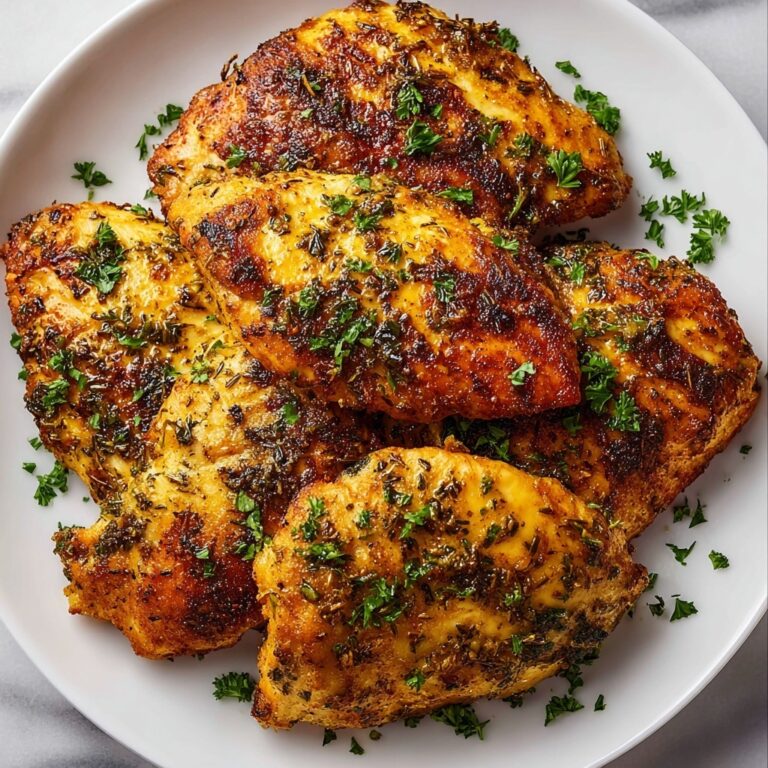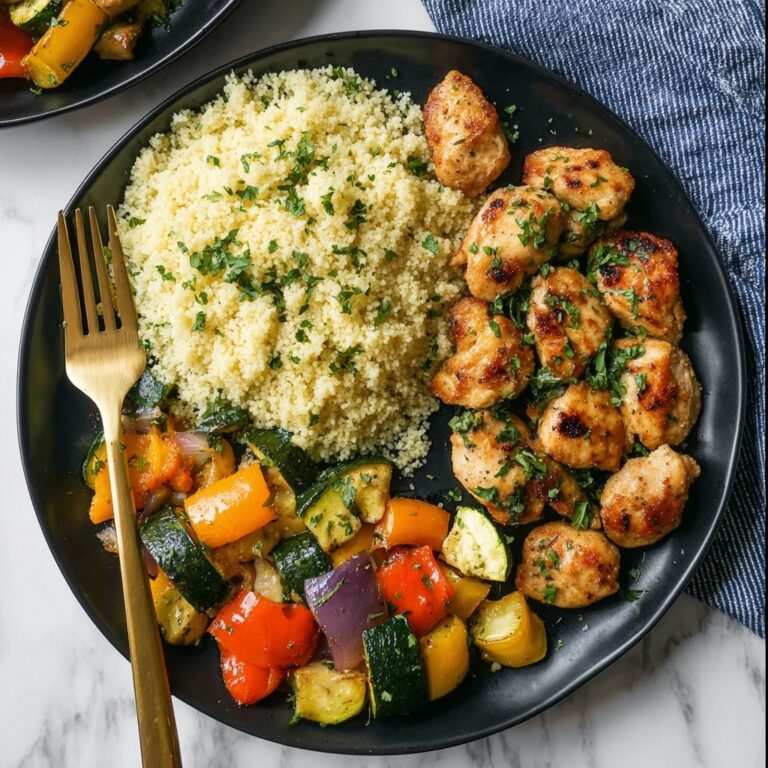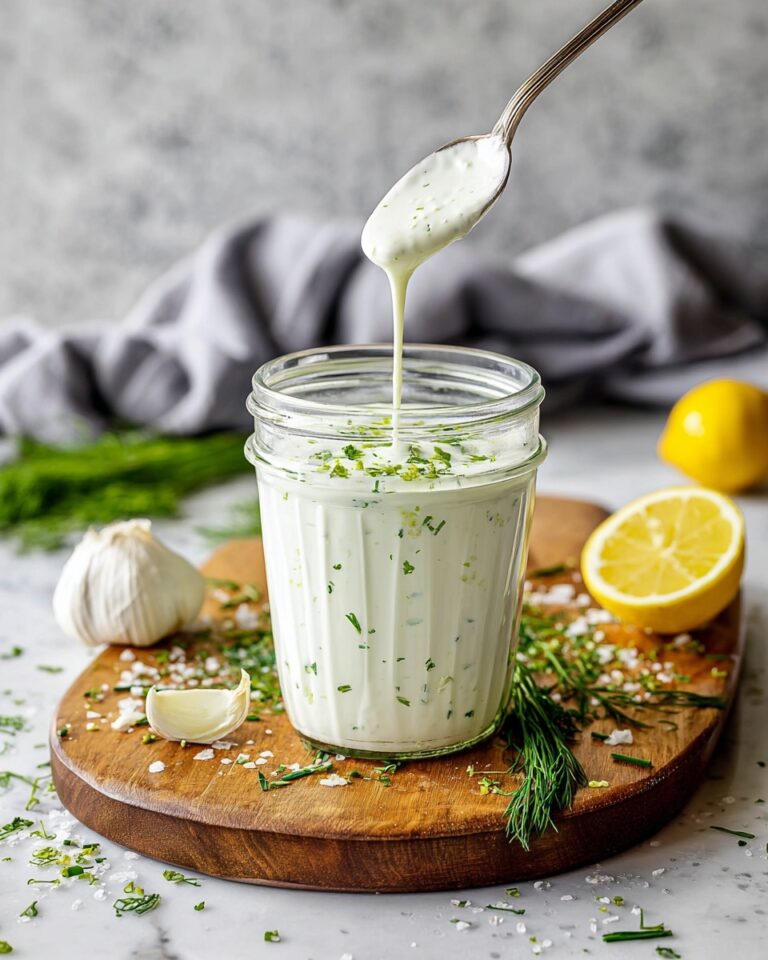
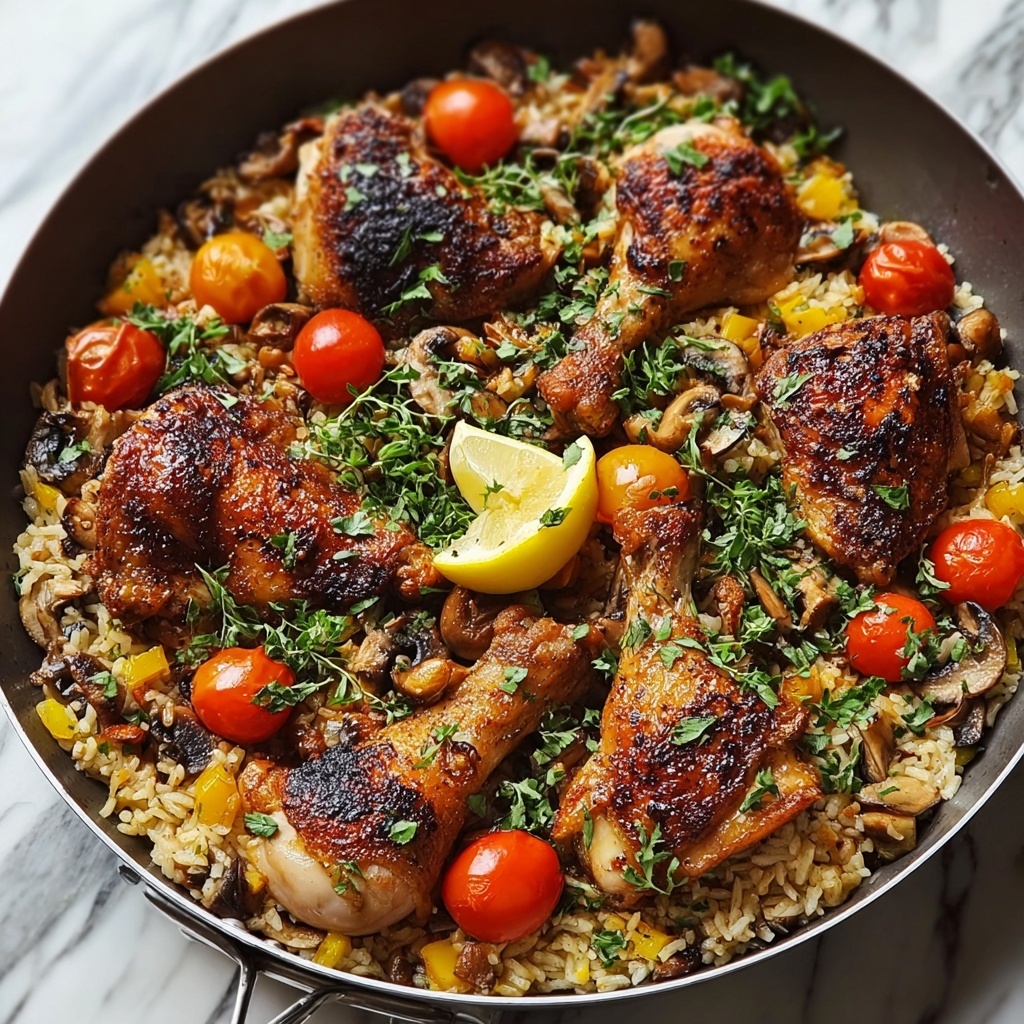
If you have been dreaming of a meal that combines comforting, vibrant flavors with the ease of a one-pan dish, this Greek Lemon Chicken with Rice Recipe might just be the perfect answer. Imagine tender chicken thighs, marinated with herbs and a gentle kiss of spice, nestled on a bed of fluffy rice that has soaked up lemon’s bright freshness all baked together to a golden finish. There is something so satisfying about the way the crispy chicken skin contrasts beautifully with the soft, tangy rice beneath, making every forkful a harmonious blend of textures and tastes.
This dish is more than just a recipe; it carries the warmth and soul of Greek home cooking. Greek Lemon Chicken with Rice is a comforting classic that many families enjoy during gatherings and weekday dinners alike. It evokes memories of leisurely meals shared with loved ones around the table, often accompanied by laughter, stories, and perhaps a glass of wine. The melding of lemon and oregano, signature flavors in Greek cuisine, create a simple yet memorable flavor profile that remains loved across generations.
In this article, you will learn how to prepare a Greek Lemon Chicken with Rice Recipe that stands apart because it carefully balances bright, fresh citrus with earthy oregano and smoky paprika, all brought together by the cooking technique that ensures the chicken skin is deliciously crispy while the rice cooks perfectly. This version walks you step-by-step through the process to help you achieve a dish that not only tastes wonderful but presents beautifully on your dining table, making it ideal for everything from casual dinners to special weekend suppers.
Why You’ll Love This Greek Lemon Chicken with Rice Recipe
One of the biggest reasons to make this Greek Lemon Chicken with Rice Recipe is how straightforward the preparation is without making any sacrifice on flavor or texture. Most of the work happens in a single skillet with an oven finish, so your cleanup is minimal, and the chicken and rice cook together, allowing the flavors to mingle thoroughly. Even if you’re not an experienced cook, the step-by-step approach makes it approachable and manageable within about 50 minutes.
This recipe is also fantastic for feeding a crowd because it scales easily and offers familiar ingredients that almost everyone enjoys. Chicken thighs are affordable and forgiving, remaining juicy through the cooking process, while the rice serves as a hearty base that makes the meal filling and satisfying. When you serve this dish at family dinners or friendly gatherings, you get smiles all around because everyone appreciates the well-rounded, bright flavors without anything too complicated or heavy.
Besides being crowd-friendly, this Greek Lemon Chicken with Rice Recipe is remarkably versatile. It can be dressed up with fresh herbs for a dinner party or kept simple for a weeknight meal where you want something comforting but quick. Making this at home means you control the quality of ingredients and can tailor the seasoning to your taste, something restaurant orders rarely allow. Plus, cooking it yourself brings the joy of connecting with a classic Mediterranean tradition right in your kitchen.
Ingredients You’ll Need
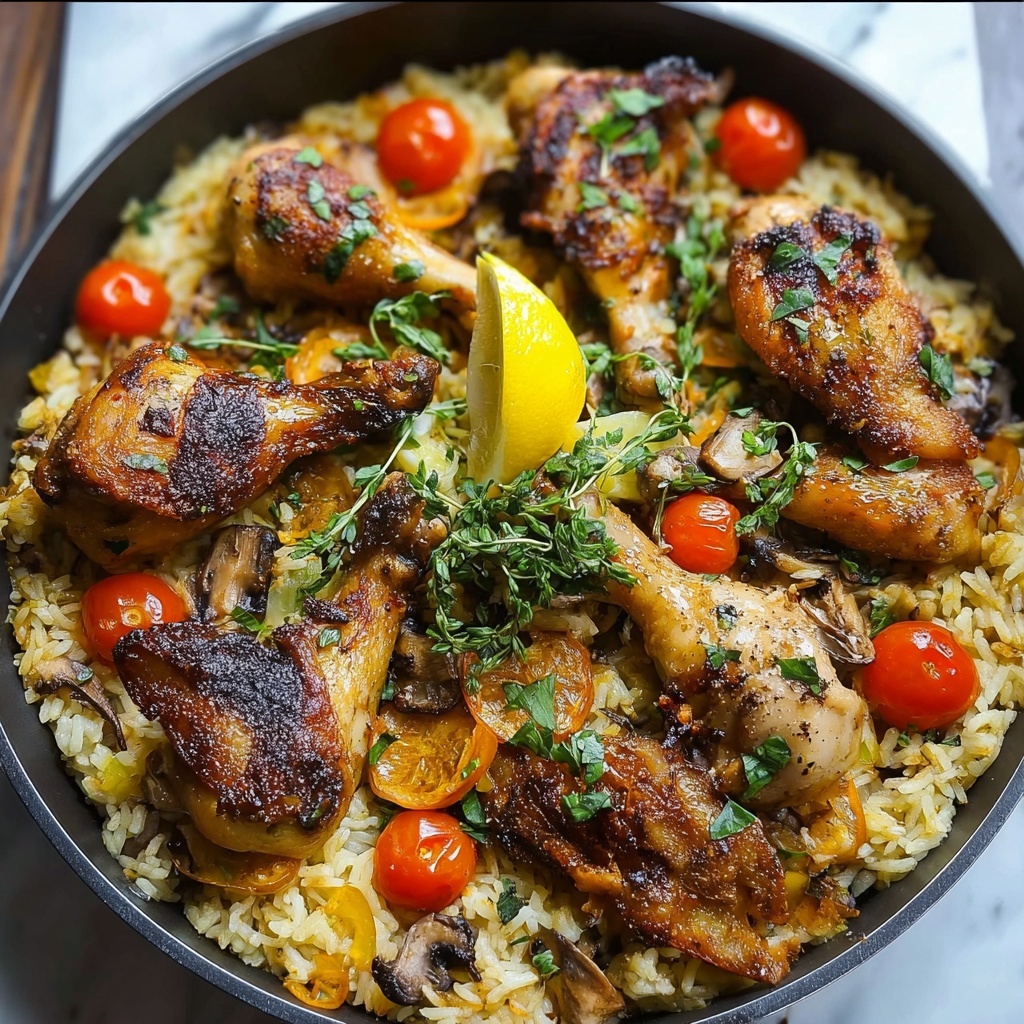
At the heart of this recipe are a few key ingredients that work together to create that signature Greek charmed flavor and comforting texture. The bone-in, skin-on chicken thighs are essential because the skin crisps up nicely while the bone helps keep the meat moist and tender. Freshly squeezed lemon juice provides that unmistakable zing and brightness, lifting the entire dish effortlessly. Dried oregano and paprika are the spices that add complexity, aromatic warmth, and a subtle smoky undertone, while the long-grain rice absorbs all those wonderful juices.
In addition to the hero ingredients, you will mostly rely on pantry staples which makes this recipe convenient and accessible. Olive oil is the fat of choice for sautéing and browning the chicken, offering a fruity richness. Chicken broth gives the rice moisture and depth, but if you don’t have broth on hand, water can be a substitute, though it will have a milder effect. Onion adds a subtle sweetness and texture contrast. Should you have difficulty finding dried oregano, fresh oregano can be used in slightly larger amounts, though dried has a more concentrated flavor that holds up well in cooking. Similarly, paprika can be substituted with smoked paprika if you want a deeper smoky flavor, but sticking to the original recipe’s spices helps preserve the traditional taste.
- 5 bone-in, skin-on chicken thighs: These provide the succulent protein base and the skin crisps beautifully for texture and flavor. Look for chicken without added preservatives for the freshest taste, and ensure the pieces are evenly sized for even cooking.
- 1 tsp dried oregano: This herb brings that classic Greek note, crucial for authenticity. If unavailable, fresh oregano can be a substitute, but dry is more potent so adjust quantities accordingly.
- 1 tsp paprika: It adds a gentle warmth and subtle smokiness that complements the lemon. Sweet paprika is preferred, but you can use smoked paprika for more depth, bearing in mind it will intensify the flavor.
- ¼ tsp salt: Essential to enhance all the flavors in the dish without overpowering them. Use fine sea salt or kosher salt for easier even distribution.
- ¼ tsp red pepper flakes: They introduce a slight kick to balance the citrus and herbs. Adjust the amount depending on your heat preference or omit if you prefer no spice.
- 2 tbsp olive oil: Necessary for searing the chicken and sautéing the onions, adding a fruity background note. Extra virgin olive oil works best for its flavor.
- 1 small onion, finely diced: Adds sweetness and depth to the rice, enhancing the overall aroma. Yellow onions are ideal, but white or red onions can work, adjusting for sharpness.
- 1 cup long-grain rice: Its ability to absorb flavors without becoming mushy makes it perfect here. Rinse it briefly before cooking to remove excess starch and prevent clumping.
- 1 ½ cups chicken broth: Provides rich flavor and moisture for the rice to cook properly. Low-sodium broth is recommended if you want to control salt levels precisely.
- ¾ cup water: Balances the liquid volume for perfect rice texture. Filtered water is best to avoid any off flavors.
- 3 tbsp freshly squeezed lemon juice: Offers the fresh citrus tang that defines the recipe. Always use fresh juice rather than bottled for brightness and vibrancy.
- 1 tsp dried oregano: Added again to the rice mixture, deepening the herbal notes throughout the dish. Consistency matters, so don’t skip this addition.
- ¾ tsp salt: Enhances the seasoning in the rice and broth, complementing the chicken’s flavor. Taste and adjust as needed based on your broth’s saltiness.
- Fresh parsley or oregano, chopped: Sprinkled as garnish to add a pop of green and freshness on top. This final flourish brightens the visual appeal and adds an herbaceous finish.
- Fresh lemon zest: Adds aromatic citrus oils as a finishing touch. It elevates the presentation and intensifies the lemon flavor without adding acidity.
How to Make Greek Lemon Chicken with Rice Recipe
The cooking process for this Greek Lemon Chicken with Rice Recipe is wonderfully balanced between searing, simmering, and baking, allowing rich layers of flavor to develop. The key to success lies in the sequence—starting with marinating, then searing the chicken to lock in juices and create a crispy skin, followed by cooking the rice in the infused pan drippings before combining everything and finishing in the oven. This method ensures the rice absorbs all the wonderful flavors from the chicken and seasoning, resulting in a harmonious dish that is juicy, bright, and beautifully textured.
Step 1: Marinate the Chicken
Begin by placing the chicken thighs in a large bowl and coating them thoroughly with dried oregano, paprika, salt, and red pepper flakes. This dry marinade layers the meat with classic Greek spices, allowing the flavors to penetrate before cooking. It is important to evenly coat each piece so that every bite holds that balanced seasoning. Avoid letting the chicken sit uncovered or too long at room temperature during this stage to prevent any food safety issues; ideally, marinate briefly while preparing other ingredients.
Step 2: Sear the Chicken
Heat the olive oil in a deep skillet over medium-high heat and place the chicken thighs skin-side down. Let them sear for 5 minutes to develop a golden, crispy skin, which adds irresistible texture and flavor. Then, flip the thighs and sear the other side for another 5 minutes, ensuring the chicken is browned but not cooked through yet. A common mistake to watch for is overcrowding the pan, which can cause steaming instead of searing; make sure the pieces have room to develop a crust.
Step 3: Cook the Aromatics
After removing the chicken from the skillet, add the finely diced onion to the same pan and sauté until translucent, approximately 3 to 5 minutes. This step softens the onion and allows it to release its natural sweetness, which will enhance the flavor of the rice. Once soft, stir in the rice, coating each grain with oil and onion mixture for about 1 to 2 minutes, which helps to lightly toast the rice and infuse it with flavor. Keep stirring gently to prevent the rice from sticking or burning on the bottom of the pan during this step.
Step 4: Add Liquids & Seasoning
Pour in the chicken broth, water, freshly squeezed lemon juice, dried oregano, and salt to the skillet. Stir gently to combine all ingredients, ensuring the rice is submerged in liquid. This combination of liquids creates a flavorful cooking medium that the rice will absorb, including the distinct tang of lemon balanced by herbs and broth. Be careful to distribute the seasoning evenly, and avoid stirring once the chicken is added back on top, as this can break up the rice grains during simmering.
Step 5: Combine and Cover
Place the seared chicken thighs skin-side up directly onto the rice mixture. Positioning the chicken this way allows the skin to stay crisp while the bottom part marinates in the rice. Cover the skillet with a tight-fitting lid or foil to trap steam, helping the rice cook evenly and the chicken to finish gently. This covered step is essential to create the proper environment for moisture retention. Do not remove the lid during this cooking period to maintain consistent heat and steam.
Step 6: Bake the Dish
Transfer the covered skillet to an oven preheated to 350°F (175°C) and bake for 35 minutes. This slow, steady bake lets the rice absorb the flavorful juices while the chicken finishes cooking through. After 35 minutes, remove the cover and bake for an additional 10 minutes, allowing the chicken skin to crisp up further and the rice’s surface to dry slightly for a pleasing texture contrast. These timed stages ensure the chicken is fully cooked with a crispy, golden skin and the rice is tender and infused with bright lemon notes.
Step 7: Rest and Garnish
When the baking time is complete, take the skillet out of the oven and allow the dish to rest for 5 to 10 minutes. Resting lets the juices redistribute and the flavors settle, which enhances the overall taste and eating experience. Finally, sprinkle fresh parsley or oregano finely chopped along with fresh lemon zest over the top to add bursts of color and fragrant brightness. The garnishes complete the dish visually and add layers of fresh herbaceous and citrus elements just before serving.
Pro Tips for the Best Greek Lemon Chicken with Rice Recipe
Tip 1: Pat the Chicken Dry Before Marinating
Drying the chicken skin with paper towels before adding the spice mix helps the skin crisp up better during searing. Excess moisture creates steam, which can prevent the skin from achieving a beautifully golden, crunchy texture. Taking this little extra step will make the difference between a soggy or perfectly crisp chicken top.
Tip 2: Don’t Skip Searing the Chicken
Searing locks in juices and creates flavorful browning that is essential in this recipe. It also adds a textural contrast with crispy skin that complements the soft rice. Rushing this step or turning the heat too low will prevent proper caramelization and lessen the complexity of the final dish.
Tip 3: Use Fresh Lemon Juice and Zest
Freshly squeezed lemon juice offers brightness and clean acidity that bottled versions cannot replicate. Similarly, using fresh lemon zest as a garnish releases oils that elevate aroma and flavor at the last minute. These fresh citrus elements keep the dish from tasting flat or dull.
Tip 4: Let the Dish Rest Before Serving
Allowing the dish to rest for 5 to 10 minutes after baking enhances flavor melding and improves texture. It gives the rice time to settle and the juices to redistribute within the chicken, making every bite juicy and flavorful. Resist the urge to serve immediately for the best result.
Variations and Substitutions
Make It Vegetarian
If you want to enjoy a similar flavor profile without the chicken, consider substituting firm tofu or hearty mushrooms as the protein source. Marinate thick slices of extra-firm tofu in the same herb and spice mix and pan-sear until golden for flavor depth. Mushrooms like portobello or cremini add an earthy richness and absorb lemony broth beautifully. Cook the rice with vegetable broth and keep the seasoning unchanged to preserve the character of the dish.
Make It Spicy
To add a lively heat, increase the red pepper flakes from ¼ teaspoon to ½ teaspoon or more, depending on your tolerance. For even more kick, add a pinch of cayenne pepper to the spice rub or sprinkle some sliced fresh chili when serving. Adjust gradually to avoid overpowering the citrus and herb balance that defines the recipe’s charm. Consider serving cooling yogurt on the side to counterbalance the heat.
Protein Swaps
If chicken thighs are not your preference, boneless skin-on chicken breasts can be used but watch the baking time closely to prevent drying out. Turkey thighs offer a similar texture but may need a few minutes longer to cook through. For a seafood twist, firm fish fillets like cod or halibut can be gently baked atop the rice, though they require less time, about 15–20 minutes, so add them later in the process. Lamb chops also pair well with lemon and oregano but will need adjusted seasoning to complement the stronger flavor.
Dietary Modifications
To make this recipe gluten-free, ensure that your chicken broth is free from gluten-containing additives; many brands are and this recipe naturally lacks gluten ingredients. For a low-sodium version, use unsalted broth and reduce added salt, seasoning with herbs and lemon juice to compensate for flavor. This recipe is naturally dairy-free, but when serving, avoid adding cheese or dairy-based garnishes to maintain that status. Olive oil and fresh herbs provide plenty of flavor without needing cream or butter.
How to Serve Greek Lemon Chicken with Rice Recipe
Garnishes
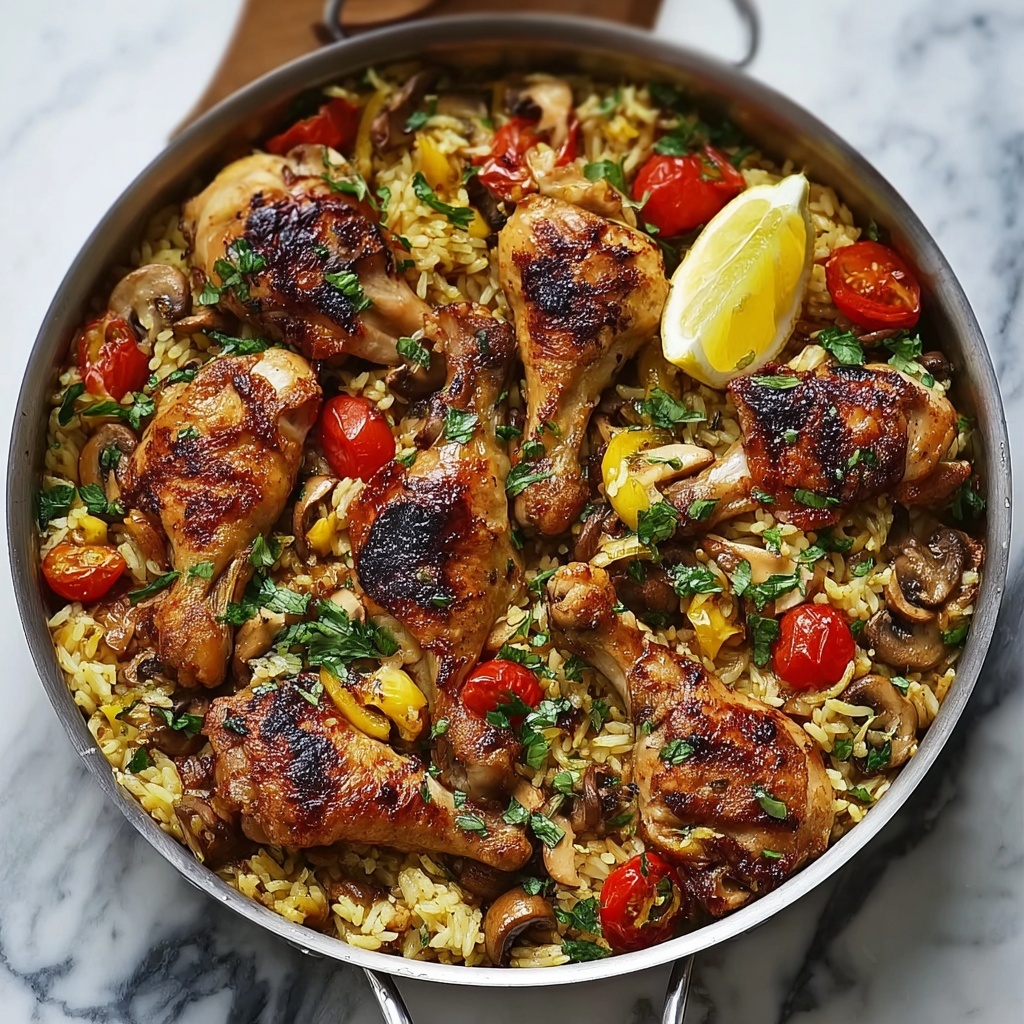
Fresh parsley, oregano, and bright lemon zest are ideal garnishes for this dish, balancing its hearty nature with refreshing herbal notes and a splash of citrus aroma. A sprinkle of crumbled feta cheese can add a creamy, salty contrast if desired, though it’s optional. For color and texture, consider adding roasted pine nuts or sliced Kalamata olives to the plate, which complement Greek flavors beautifully and give a lovely crunch or briny punch.
Side Dishes
This recipe pairs wonderfully with Greek salad, whose vibrant tomatoes, cucumber, and feta bring a crisp and tangy counterpoint to the warm chicken and rice. Roasted or steamed vegetables like zucchini or green beans are excellent choices that add freshness and nutrients. Another classic side is hummus with warm pita bread; the creamy, garlicky spread contrasts nicely with the citrusy chicken. For a complete meal, consider serving with tzatziki sauce on the side, which cools the palate and adds another layer of traditional Mediterranean flavor.
Creative Presentation Ideas
For a casual weeknight dinner, serve this Greek Lemon Chicken with Rice Recipe straight from the skillet, with garnishes scattered on top for a rustic, homey vibe. At a dinner party, plate each serving individually on wide, shallow bowls and drizzle with extra lemon juice and a sprig of fresh oregano to create an elegant presentation. For potlucks, consider transferring the dish to a decorative casserole dish with a colorful side of Greek salad on the platter, allowing guests to serve themselves easily while showcasing the dish’s inviting appearance.
Make Ahead and Storage
Storing Leftovers
To store leftovers, transfer the Greek Lemon Chicken with Rice to airtight containers, preferably glass, to prevent moisture build-up and odors from other foods. Consume the leftovers within 3 to 4 days for the best flavor and safety. Covering the dish tightly helps maintain the texture of the chicken skin and prevents the rice from drying out during storage. Avoid stacking too much in the container as this can cause the chicken skin to lose crispness.
Freezing Instructions
This dish freezes well and makes for a convenient meal later on. Cool the chicken and rice completely before portioning into freezer-safe containers or heavy-duty resealable bags. Remove as much air as possible to reduce freezer burn. Frozen Greek Lemon Chicken with Rice keeps well for up to 2 months. When ready to eat, thaw overnight in the refrigerator to preserve moisture and texture, avoiding quick thawing methods that may dry out the rice or chicken.
Reheating Methods
For stovetop reheating, warm the chicken and rice gently in a skillet over low heat with a splash of water or broth to refresh the rice and prevent sticking while covering to heat evenly. To reheat in the oven, cover the dish with foil and bake at 350°F (175°C) for about 15–20 minutes until warmed through and the chicken skin crisps slightly again. In the microwave, reheat in short intervals, stirring the rice carefully and covering loosely to prevent drying out; however, this method can soften the chicken skin. Adding a sprinkle of fresh herbs after reheating helps restore brightness.
FAQs About Greek Lemon Chicken with Rice Recipe
Can I use boneless chicken thighs or breasts instead of bone-in?
Yes, you can use boneless chicken thighs or breasts but adjust the cooking time accordingly. Boneless pieces will cook faster, so check for doneness sooner, usually around 25 to 30 minutes total baking time. Also, boneless chicken may not develop the same depth of flavor and juiciness that bone-in pieces provide, so marinating well and avoiding overcooking is key.
Is it necessary to bake the dish after searing the chicken?
Baking is essential to cook the rice fully and allow the chicken to finish cooking evenly all the way through. The initial sear locks in moisture and adds crispness, but baking ensures the rice absorbs flavors and the chicken reaches a safe internal temperature. Without baking, the rice would remain undercooked and the chicken might be raw inside.
Can I prepare this dish without an oven?
While using the oven is recommended for even cooking and the final crisping, you can adapt the recipe to stovetop by simmering the rice and chicken covered on low heat after searing. However, the skin may not crisp up as well as in the oven, and the rice may require more attention to avoid sticking or burning. Using a heavy-bottomed skillet with a tight lid helps.
Why does the recipe call for both chicken broth and water?
The combination balances flavor and liquid volume to cook the rice perfectly. Chicken broth adds depth, while water adjusts the quantity so the rice is neither too soupy nor too dry. Using all broth could make the dish overly rich or salty, depending on the broth’s seasoning.
What can I do if my rice turns out mushy?
Mushy rice often results from too much liquid or stirring during cooking. Make sure to measure liquids carefully and avoid stirring once the chicken is added and cooking begins. Using long-grain rice also helps as it cooks up fluffier and less sticky compared to short grain.
Could I add vegetables to this recipe?
Yes, you can add vegetables like diced bell peppers, zucchini, or peas to the rice before baking. Add them after sautéing the onion and rice but before adding liquids for even cooking. This adds color, texture, and nutrition to the dish, making it even more satisfying.
How do I know when the chicken is fully cooked?
The internal temperature should reach 165°F (74°C) as measured with a meat thermometer. The chicken juices should run clear with no pinkness. Because the thighs are bone-in, the 45-minute combined searing and baking time in this recipe ensures thorough cooking, but it always helps to check temperature for safety.
Final Thoughts
This Greek Lemon Chicken with Rice Recipe truly encapsulates the charm of home-cooked Mediterranean meals that are both comforting and refreshingly flavorful. Its simplicity and well-rounded seasoning allow the natural qualities of the ingredients to shine while offering an inviting experience every time it graces your table. Whether for a busy weeknight or a casual weekend feast, this dish has the potential to become a favorite staple that brings joy and satisfaction to your kitchen traditions.
By following the simple steps and tips shared here, you’ll find this recipe approachable and rewarding to make. Don’t hesitate to try it soon, share your own twists or serving ideas with friends, and revisit for more recipes that celebrate the spirit of good food and great company. The Greek Lemon Chicken with Rice Recipe offers a way to connect with classic flavors while enjoying a warm, nourishing meal made with love.
Print
- Prep Time: 15 minutes
- Cook Time: 55 minutes
- Total Time: 70 minutes
- Yield: 4 servings
- Category: Main Course
- Method: Baking
- Cuisine: Greek
- Diet: Gluten Free
Description
This Greek Chicken and Lemon Rice is a flavorful one-pan dish featuring tender bone-in chicken thighs marinated with oregano and paprika, seared to a golden crisp, and baked atop a fragrant bed of lemon-infused long-grain rice. The dish is finished with fresh herbs and zesty lemon to brighten every bite, offering a well-balanced and inviting Mediterranean meal perfect for family dinners or entertaining guests.
Ingredients
Chicken and Marinade
- 5 bone-in, skin-on chicken thighs
- 1 tsp dried oregano
- 1 tsp paprika
- ¼ tsp salt
- ¼ tsp red pepper flakes
- 2 tbsp olive oil
Rice and Cooking Liquids
- 1 small onion, finely diced
- 1 cup long-grain rice
- 1 ½ cups chicken broth
- ¾ cup water
- 3 tbsp freshly squeezed lemon juice
- 1 tsp dried oregano
- ¾ tsp salt
Garnish
- Fresh parsley or oregano, chopped
- Fresh lemon zest
Instructions
- Marinate the Chicken: In a large bowl, evenly coat the chicken thighs with dried oregano, paprika, salt, and red pepper flakes. Set the marinated chicken aside to allow the flavors to meld.
- Sear the Chicken: Heat the olive oil in a deep skillet over medium-high heat. Place the chicken thighs skin-side down and sear for 5 minutes until the skin is golden and crisp. Flip the chicken and sear the other side for an additional 5 minutes. Remove chicken from the skillet and set aside.
- Cook the Aromatics: In the same skillet with remaining oil and chicken fat, sauté the finely diced onion over medium heat until translucent and softened, about 3 to 5 minutes. Stir in the long-grain rice, coating it well with the oil and onion mixture.
- Add Liquids & Seasoning: Pour in the chicken broth, water, and freshly squeezed lemon juice. Stir in the additional dried oregano and salt to season the rice evenly.
- Combine: Arrange the seared chicken thighs on top of the rice, skin-side up. Cover the skillet tightly with a lid or foil to trap steam during cooking.
- Bake: Transfer the covered skillet to a preheated oven at 350°F (175°C). Bake covered for 35 minutes to cook the rice and chicken through. Remove the cover and bake for an additional 10 minutes to crisp the chicken skin further.
- Rest & Garnish: Remove the skillet from the oven and let the dish rest for 5 to 10 minutes. Garnish with chopped fresh parsley or oregano and freshly grated lemon zest before serving to add brightness and fresh herbal notes.
Notes
- Use bone-in, skin-on chicken thighs for the best flavor and texture.
- Searing the chicken first ensures a crispy skin and adds depth to the dish.
- Covering the skillet while baking helps cook the rice with steam, ensuring tenderness.
- Let the dish rest before serving to allow juices to redistribute.
- Fresh lemon zest and herbs added at the end brighten the flavors.
- If you don’t have freshly squeezed lemon juice, bottled lemon juice can be used but fresh is preferred for best taste.