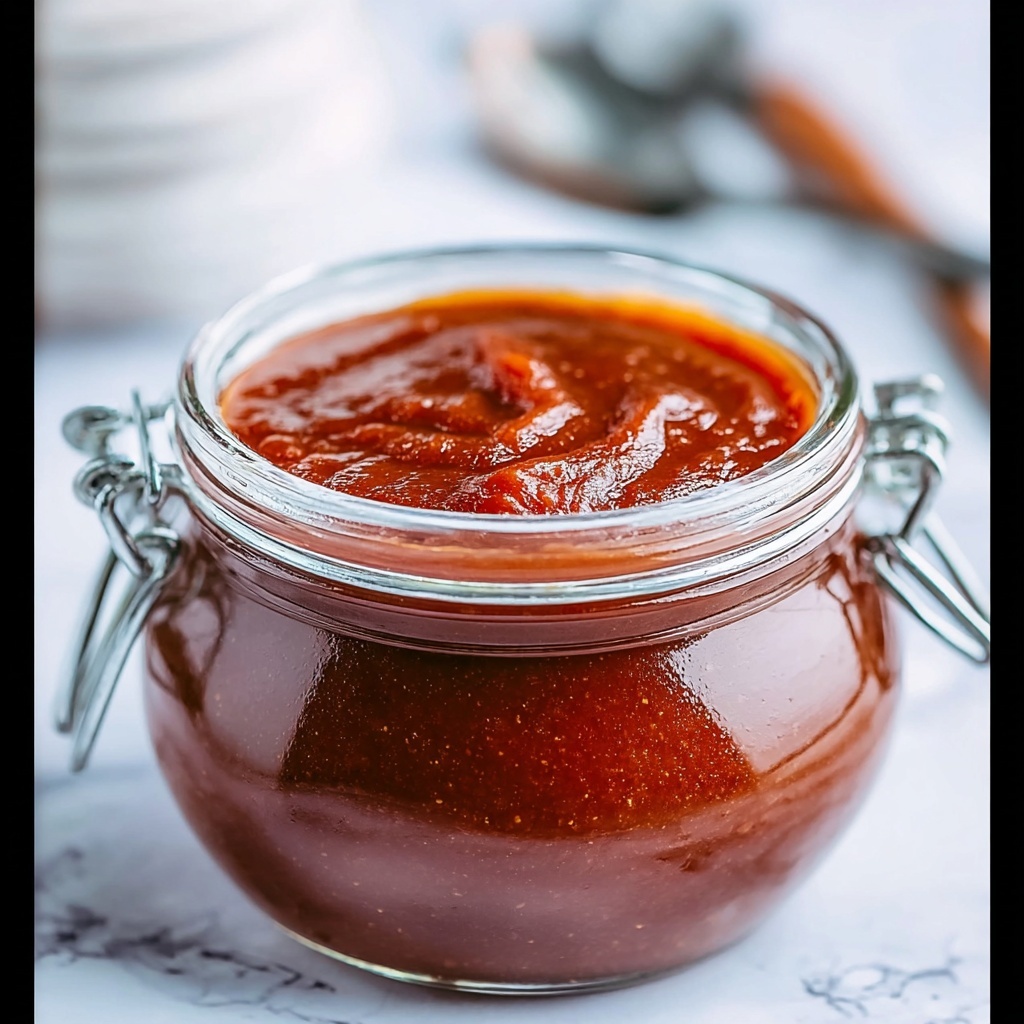
If you have ever wished for the perfect enchilada sauce that hits just the right balance of smoky, spicy, and savory, then you are in for a treat. There is something truly special about a homemade enchilada sauce recipe that can completely transform a dish from ordinary to memorable. The texture is smooth yet thick enough to cling beautifully to tortillas, while the blend of spices creates a rich, layered flavor that instantly evokes cozy family dinners and festive occasions. The best part is, once you make your own enchilada sauce at home, you’ll never want to rely on that canned jar again because fresh is simply better, and this recipe makes it so easy to achieve.
Enchilada sauce has deep roots in Mexican cuisine, where it serves as the heart of one of the country’s most beloved dishes, enchiladas. Traditionally, the sauce varies regionally, incorporating local chili powders and herbs that lend subtle differences in flavor. For many, enchiladas are more than just comfort food; they are a nostalgic reminder of celebrations, loved ones gathered around the table, and the joy of sharing food. Making enchilada sauce from scratch is a connection to those traditions and brings an unmistakable authenticity to your cooking.
In this Homemade Enchilada Sauce Recipe, you will learn how to prepare a sauce that balances seasoning, texture, and aroma with careful attention to each step in the process. What makes this recipe stand out is its simplicity combined with its depth of flavor, relying on a few high-quality ingredients to bring out the essence of true enchilada sauce without complicated steps or hard-to-find elements. Whether you are new to homemade sauces or an experienced cook, this method gives you a reliably delicious sauce every time.
Why You’ll Love This Homemade Enchilada Sauce Recipe
This enchilada sauce is incredibly easy to prepare, which is one reason it quickly wins over home cooks. With a short list of ingredients you likely have on hand and a cooking time of just 15 minutes, it fits perfectly into busy weeknight schedules without sacrificing flavor. The steps are straightforward, and the process allows the spices enough time to bloom and meld together so the sauce tastes complex and rich despite its simplicity.
Another reason this sauce is such a crowd pleaser is its versatility. It suits traditional chicken or beef enchiladas perfectly, but it also lends itself to different fillings from beans and cheese to roasted vegetables and even seafood. Because it is a homemade enchilada sauce recipe, you control the heat and seasoning so it can be mild for the kids or spiced up for adults who like a bit more kick. Here, you get a sauce that pleases many tastes making it ideal for family gatherings or potlucks.
Making your own enchilada sauce at home offers a freedom and freshness that store-bought alternatives can never match. You avoid preservatives and artificial flavors, which often dull the authentic notes of chili powder and cumin. Plus, the process of simmering and stirring your sauce yourself means you can adjust the thickness, salt levels, or spice intensity to suit your mood and meal. This sauce elevates the dish far beyond anything available in a jar and transforms your enchiladas into a truly homemade culinary experience.
Ingredients You’ll Need
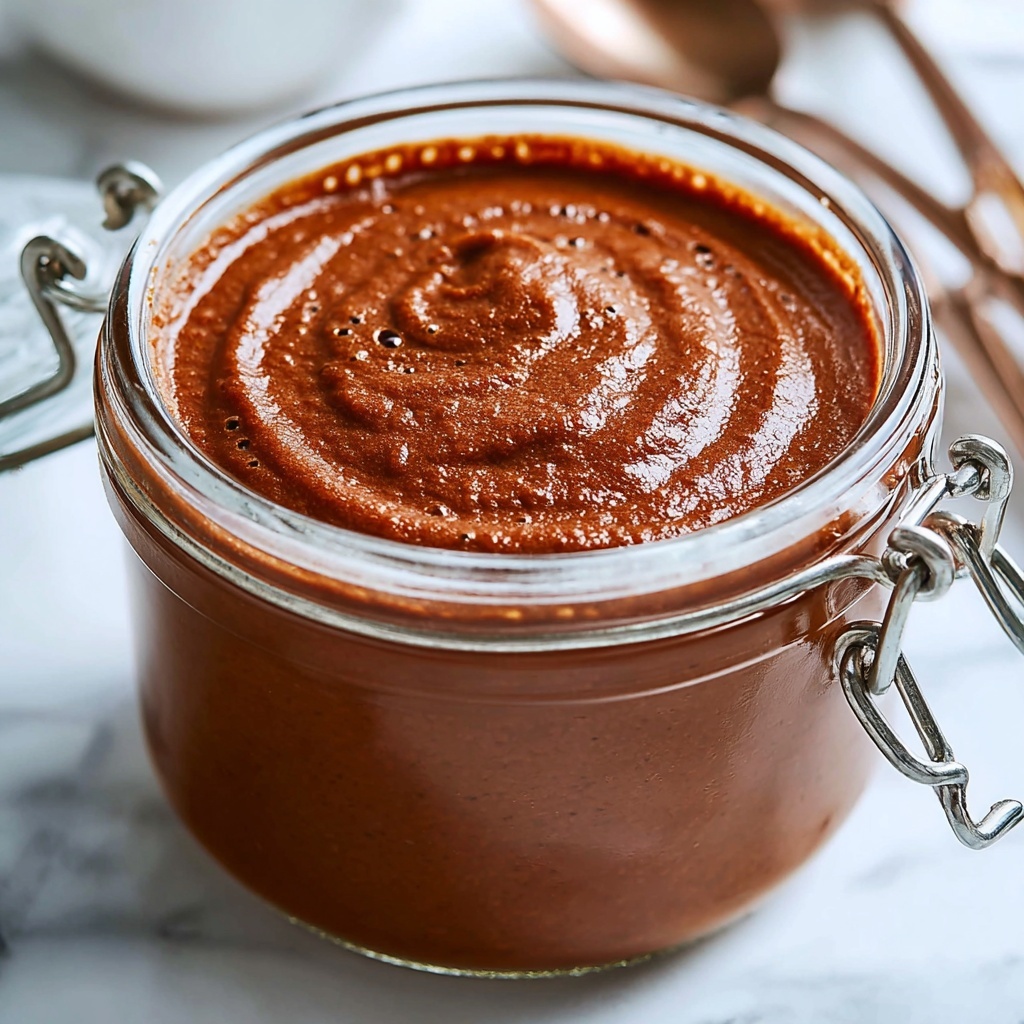
At the core of this Homemade Enchilada Sauce Recipe are just a few vital ingredients, each playing an important role. The garlic, sautéed at the start, introduces a fragrant base that immediately enhances aroma and flavor. The tomato sauce provides the luscious body and earthiness that every enchilada sauce needs, carrying the spices and broth with a comforting umami background. Chili powder lends signature smokiness and a gentle heat, while cumin and oregano bring warm, herbaceous notes that round out the palate. Chicken broth adds a savory depth and helps create that perfect sauce consistency without making it too heavy.
Luckily, most of these ingredients are pantry staples you can find in any grocery store, and substitutions are straightforward if needed. For example, if reduced-sodium chicken broth isn’t in your cabinet, vegetable broth makes an excellent vegetarian alternative. You can adjust the chili powder based on what you have; a mild chili powder keeps it approachable, while an ancho or chipotle chili powder adds a hint of smokiness. Using sea salt rather than regular table salt can enhance flavors more subtly, but either will work. These choices allow you to tailor the recipe based on what’s available and your personal preferences.
- Olive oil: This is the fat that carries flavor and helps soften and release the garlic’s aroma. You can substitute with butter or any neutral oil like canola or avocado oil, depending on your taste and what you have.
- Garlic, minced: Fresh garlic is essential for adding a fragrant, slightly pungent note that forms the savory base of the sauce. When mincing, aim for fine pieces to avoid burning during sautéing, which would add bitterness.
- Reduced-sodium chicken broth: Adds depth and helps thin the sauce to the right consistency. If you prefer vegetarian, vegetable broth or even water can be used, though broth adds more flavor.
- Tomato sauce: Provides the rich color and body to the sauce. Look for plain tomato sauce without added herbs or seasoning to control the flavor balance yourself.
- Chili powder: Offers heat and the sauce’s characteristic smoky flavor. Choosing your favorite chili powder variety allows you to adjust the spice and flavor profile.
- Dried oregano: Brings a bright, herbal earthiness that complements the warmth of the chili powder and cumin. Use Mexican oregano if you can find it for the most authentic taste.
- Cumin: Adds a warm, nutty depth that ties all the flavors together harmoniously. Ground cumin is standard; freshly toasted and ground cumin seeds can intensify the flavor even more.
- Onion powder: Enhances the overall savory aspect of the sauce without the moisture of fresh onions. It’s great for convenience and consistent flavor.
- Sea salt: Balances and elevates all other ingredients, making sure no flavor gets lost. You can adjust the quantity to taste.
- Black pepper (optional): Adds a gentle heat and complexity if you choose to include it. Freshly ground black pepper offers a mild peppery bite that complements the warmth of the spices.
How to Make Homemade Enchilada Sauce Recipe
The preparation of this homemade enchilada sauce involves a simple sequence that coax the best flavors out of each ingredient and creates a smooth, balanced sauce. The magic happens by gradually building flavor through gentle sautéing, then combining spices with liquids before slowly simmering to deepen complexity and thicken texture. Taking the time to simmer fully—not rushing—allows the sauce to develop a rich, rounded flavor that truly tastes homemade rather than just mixed.
Step 1: Sauté Garlic Until Fragrant
Begin by heating 1 teaspoon of olive oil in a medium saucepan over medium heat. Once hot, add the minced garlic and sauté for about 1 minute, stirring constantly. You want the garlic to soften and release its aroma without browning it, as burnt garlic will produce bitterness and alter the sauce’s taste. Keep an eye on it and remove from heat if it starts turning golden too quickly because the goal here is fragrant and tender garlic that forms the flavor base.
Step 2: Add Broth and Tomato Sauce
Next, pour in ½ cup of reduced-sodium chicken broth and 15 ounces of tomato sauce directly into the saucepan with garlic. Stir these ingredients thoroughly to combine the aromatic garlic-infused oil with the liquids. This step is important because it incorporates the body and moisture needed for simmering before the dry spices go in. Visually, the mixture should look smooth and vibrant with a bright reddish tone forming as the tomato sauce blends in.
Step 3: Stir in Spices
Now it’s time to add the flavor foundation—2 tablespoons chili powder, 2 teaspoons dried oregano, 2 teaspoons cumin, 1 teaspoon onion powder, ½ teaspoon sea salt, and optionally ¼ teaspoon black pepper. Sprinkle these evenly over the liquid and stir well to ensure even distribution. Proper mixing at this stage prevents any clumping or spice pockets that could create uneven flavor spots in your sauce. The spices will swell and release their oils during cooking to give you that signature enchilada sauce taste.
Step 4: Bring to a Simmer
Place the saucepan over medium heat and bring the mixture to a gentle simmer. You want bubbles breaking around the edge but not a vigorous boil. This gentle simmering activates the flavors in the spices and allows the sauce to cook evenly. Sometimes a common mistake is letting it boil too hard or rushing this step, which can cause the sauce to separate or taste harsh. Adjust your stove as needed to maintain that perfect simmer.
Step 5: Cover and Reduce to Low Heat
Once simmering, cover the saucepan with a lid and reduce the heat to low to maintain a gentle simmer. Let it cook slowly for 10 minutes, stirring occasionally to prevent sticking. This slow cook time allows the sauce to thicken naturally as moisture reduces and flavors intensify. Patience here is key because it transforms the sauce from thin and raw-tasting into that rich, cohesive sauce perfect for enchiladas.
Step 6: Taste and Adjust Seasoning
After 10 minutes of simmering, uncover the sauce and taste carefully. This is your moment to adjust salt or pepper if needed, as flavors meld during cooking and often deepen. Adding salt at the end rather than the start helps prevent over-seasoning. If you find the sauce too tangy, a tiny pinch of sugar can soften the acidity, although this recipe tends to balance well naturally. Once you’re happy with seasoning, your sauce is ready to be used immediately or cooled for storage.
Pro Tips for the Best Homemade Enchilada Sauce Recipe
Tip 1: Use Fresh Garlic for Maximum Aroma
While garlic powders are convenient, fresh minced garlic creates a vibrant aroma and flavor that sets this sauce apart. Don’t rush the sautéing; letting the garlic gently soften unlocks subtle sweetness and depth rather than harsh sharpness. This foundational flavor will carry through the entire sauce.
Tip 2: Choose Quality Chili Powder
Your choice of chili powder makes a huge difference in the character of the sauce. A fresh, high-quality chili powder with natural smokiness and bright red color enriches both the taste and appearance. Avoid blends labeled “seasoning mixes” that might contain fillers or salt already added.
Tip 3: Stir Occasionally During Simmering
Even though the sauce simmers gently covered, it benefits from occasional stirring to prevent sticking and promote even thickening. This also helps incorporate any spices settling at the bottom and ensures your final sauce has an even, velvety consistency.
Tip 4: Adjust Thickness to Your Preference
If your sauce thickens more than you want, simply stir in small amounts of broth to loosen it. Conversely, longer simmering reduces the liquid more and creates a thicker sauce that clings better to enchiladas. The beauty of making it at home is you can always adjust to your desired texture.
Variations and Substitutions
Make It Vegetarian
To turn this into a vegetarian enchilada sauce recipe, simply substitute the chicken broth for vegetable broth or even water. Both options provide a suitable liquid base without animal products, keeping the sauce hearty and flavorful. Using vegetable broth, especially a homemade or low-sodium variety, retains the savory richness especially well. This makes your sauce friendly for vegetarian and vegan diets while still maintaining classic flavor integrity.
Make It Spicy
If you prefer more heat, add ¼ to ½ teaspoon of cayenne pepper along with the chili powder or include finely chopped fresh chipotle or jalapeño peppers during the garlic sauté. Start with a smaller amount and taste as you go to avoid overpowering the other spices. Another option is to add a few dashes of hot sauce right at the end of cooking for an adjustable kick that you can tailor to the whole family’s heat tolerance.
Protein Swaps
This sauce works with a wide variety of proteins beyond the traditional shredded chicken or ground beef. Try it with pork carnitas, adjusting your cooking time according to the meat’s tenderness. Seafood such as shrimp or flaky white fish pairs beautifully, cooking quickly under the sauce. Even plant-based proteins like seasoned tofu or tempeh soak up the sauce nicely, making this a highly adaptable recipe that fits many dietary preferences. Take note that proteins with higher moisture content may require slightly thicker sauce so it clings well.
Dietary Modifications
For gluten-free adaptations, ensure your chili powder and other spices are certified gluten-free, as some brands may contain trace gluten. Low-sodium versions are easy by selecting reduced-sodium broth and cutting back on the salt quantity, adding gradually to taste. For dairy-free diets, this sauce is naturally compliant since it contains no dairy; just avoid garnishing with cheese if necessary or choose dairy substitutes. These tweaks make the recipe inclusive without sacrificing flavor or texture.
How to Serve Homemade Enchilada Sauce Recipe
Garnishes
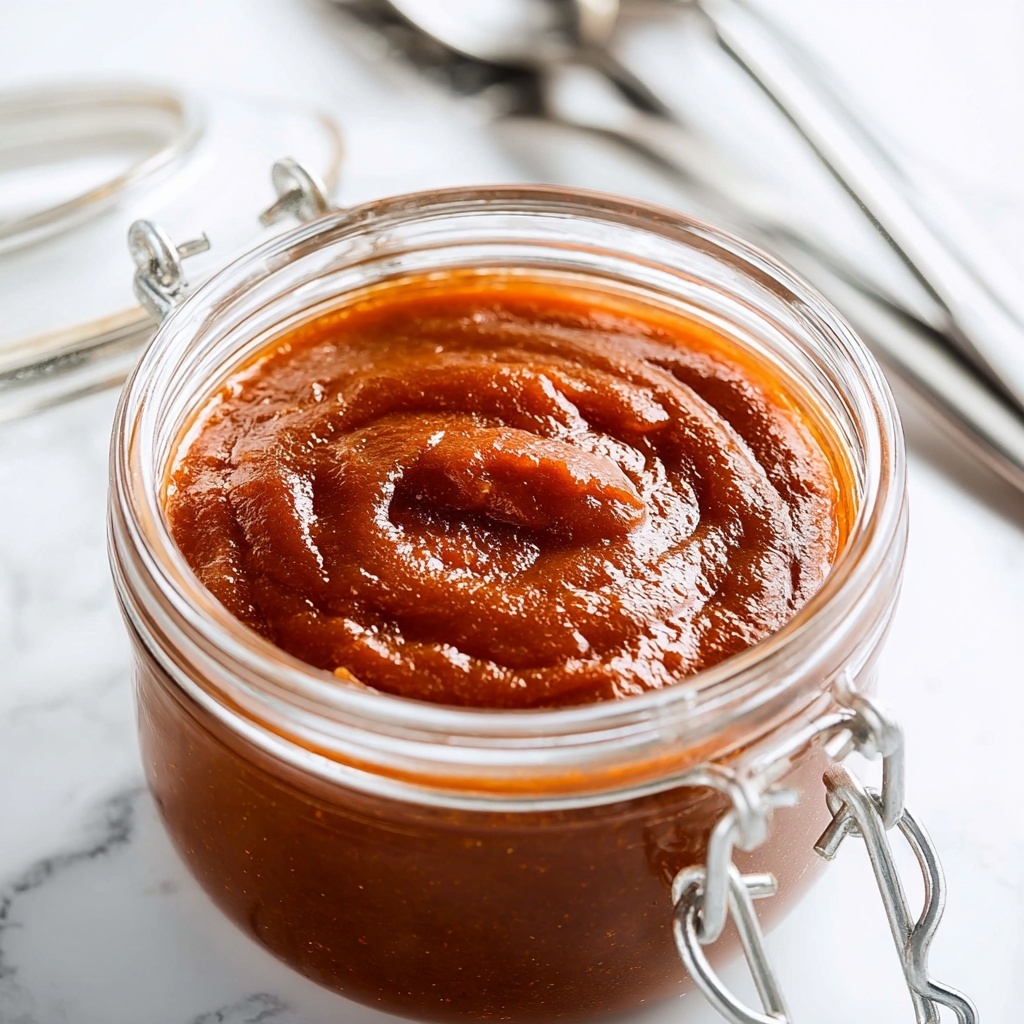
Complement your enchiladas with fresh garnishes that add both visual appeal and contrasting textures. Chopped fresh cilantro brings a bright herbal pop and color contrast. A dollop of sour cream or a tangy crema adds cooling creaminess to temper the sauce’s mild heat. Thinly sliced radishes offer a crisp bite and a vibrant splash of color, enhancing presentation. Alternative options like diced avocado or crumbled Cotija cheese also enhance both flavor layers and the overall look of your dish.
Side Dishes
This enchilada sauce pairs with many classic Mexican-inspired sides that balance richness and provide complementary textures. Mexican rice cooked with tomatoes and mild spices highlights the sauce’s savory depth. Refried beans or black beans add earthiness and protein, balancing out the saucy enchiladas. A simple green salad with lime vinaigrette offers brightness and contrast. Fresh corn on the cob, either grilled or boiled, gives sweetness and natural crunch that rounds out the meal perfectly.
Creative Presentation Ideas
For an easy weeknight dinner, serve enchiladas smothered in this sauce in a casserole dish straight from the oven for effortless serving. For a dinner party, plate each enchilada individually with drizzle patterns of sauce and a sprinkle of fresh herbs for an elegant appearance. When bringing to a potluck, consider making enchilada casserole sliders on sliders buns with melted cheese on top for a fun finger-food version, ensuring that the homemade enchilada sauce recipe shines in every bite.
Make Ahead and Storage
Storing Leftovers
Leftover enchilada sauce stores best in an airtight glass container to prevent flavor absorption or loss. It will keep well in the refrigerator for up to 4 days without compromising texture or flavor. When storing, allow the sauce to cool fully before sealing, and avoid metal lids directly contacting the sauce to prevent any metallic taste. Reheat gently to keep the sauce’s velvety consistency intact.
Freezing Instructions
To freeze enchilada sauce, let it cool completely and then transfer to a freezer-safe container or heavy-duty freezer bag. Leave some room at the top for expansion. Frozen sauce keeps well for up to 3 months. To thaw, move the sauce to the refrigerator overnight or submerge the sealed bag in cold water for quicker thawing. Avoid microwaving frozen sauce directly as it may heat unevenly and alter the texture.
Reheating Methods
For reheating, simmer the sauce gently on the stovetop over low heat, stirring frequently to prevent burning and to bring back its smooth texture. In the oven, warm the sauce covered in an oven-safe dish at 300°F (150°C) for about 15 minutes. Microwaving is also possible; heat in short intervals of 30 seconds, stirring between each until evenly heated. Be careful not to overcook or boil too rapidly to preserve the fresh flavor and thickness you worked so hard to achieve.
FAQs About Homemade Enchilada Sauce Recipe
Can I make this sauce ahead of time?
Yes, this Homemade Enchilada Sauce Recipe can be made up to 3 days ahead and refrigerated. Preparing it in advance actually allows the flavors more time to develop and blend. When ready to use, simply reheat gently and give it a quick stir to restore its consistency.
What if I don’t have chili powder on hand?
If chili powder is unavailable, you can substitute with a mix of paprika and cayenne pepper to approximate the flavor. Use about 1 tablespoon paprika (preferably smoked) plus ½ teaspoon cayenne to start, then adjust to taste. This combination recreates the smoky heat without altering the cooking method.
How spicy is this recipe?
This enchilada sauce recipe has a moderate heat level that’s adjustable based on the chili powder used. You can keep it mild by selecting a mild chili powder or ramp up heat by adding more chili powder or cayenne. Tasting as you go will help you customize it perfectly for your palate.
Can I use fresh tomatoes instead of tomato sauce?
Using fresh tomatoes is possible but requires additional preparation such as simmering and pureeing to reach the right consistency. Tomato sauce offers a more consistent base and deeper flavor, so swapping in fresh tomatoes may change the sauce texture and cooking time. If using fresh, plan to simmer longer to reduce excess liquid.
Is this sauce gluten-free?
The base ingredients in this recipe are naturally gluten-free, including spices and tomato sauce. However, double-check your chili powder and broth brands to confirm there are no gluten-containing additives. Most common brands are gluten-free but reading labels is always recommended for sensitive diets.
How thick should the sauce be?
This sauce should be thick enough to coat the back of a spoon but still pourable, similar to a heavy tomato sauce consistency. Proper simmering for 10 minutes allows the sauce to reduce and thicken sufficiently. If it gets too thick, a splash of broth or water will loosen it.
Can I use this sauce for other dishes besides enchiladas?
Absolutely! This homemade enchilada sauce recipe is versatile and works well as a topping for burritos, a base for chili, or even drizzled over roasted vegetables. Its rich spice profile complements many Mexican and Tex-Mex dishes, making it a handy sauce to have on your recipe roster.
Final Thoughts
There is something truly comforting about this Homemade Enchilada Sauce Recipe that makes it worth making time and time again. Its rich, savory character balanced with just the right spices turns simple ingredients into a sauce that feels vibrant and made with care. Adding this sauce to your cooking repertoire allows you to bring warmth and flavor to your table effortlessly, whether for family weeknights or special celebrations.
I encourage you to try this recipe and savor the satisfaction of making your own enchilada sauce at home. Share your results, tweak it according to your tastes, and enjoy how it elevates your favorite Mexican-inspired dishes. Keep coming back for more recipes that celebrate real, homemade cooking like this Homemade Enchilada Sauce Recipe.
Print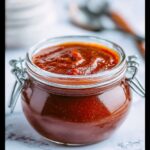
- Prep Time: 4 minutes
- Cook Time: 11 minutes
- Total Time: 15 minutes
- Yield: 8 servings
- Category: Sauce
- Method: Stovetop
- Cuisine: Mexican
- Diet: Gluten Free
Description
This rich and flavorful enchilada sauce recipe is perfect for adding a zesty and authentic Mexican touch to your dishes. Made with garlic, tomato sauce, and a blend of traditional spices simmered to perfection, it elevates enchiladas, tacos, and other Mexican-inspired meals with a delicious homemade sauce that’s simple to prepare in just 15 minutes.
Ingredients
Base Ingredients
- 1 teaspoon olive oil (or butter, or oil of choice)
- 4 cloves garlic, minced
- ½ cup reduced-sodium chicken broth (or vegetable broth for vegetarian)
- 15 ounces tomato sauce
Spices
- 2 tablespoons chili powder
- 2 teaspoons dried oregano
- 2 teaspoons cumin
- 1 teaspoon onion powder
- ½ teaspoon sea salt (or to taste)
- ¼ teaspoon black pepper (optional)
Instructions
- Sauté Garlic: Heat the olive oil in a medium saucepan over medium heat. Add the minced garlic and sauté for about 1 minute, or until fragrant but not browned, to ensure a rich garlic flavor in your sauce.
- Simmer Sauce: To the saucepan, add chicken broth, tomato sauce, chili powder, dried oregano, cumin, onion powder, sea salt, and black pepper if using. Stir everything together thoroughly. Bring the mixture up to a simmer, then cover and reduce the heat to keep a gentle simmer. Let it cook for 10 minutes, stirring occasionally, until the sauce thickens to your preferred consistency.
- Adjust Seasoning: After simmering, taste the sauce. Adjust the seasoning by adding more salt or pepper if needed to balance the flavors. This final step ensures the sauce has a perfectly developed taste and heat.
Notes
- This sauce can be stored refrigerated for up to one week or frozen for longer storage.
- For a vegetarian version, substitute chicken broth with vegetable broth.
- If you prefer a smoother sauce, you can blend it after cooking.
- Adjust chili powder amount based on your heat preference.
- This recipe yields enough sauce for approximately 8 servings, ideal for enchiladas or as a flavorful topping.