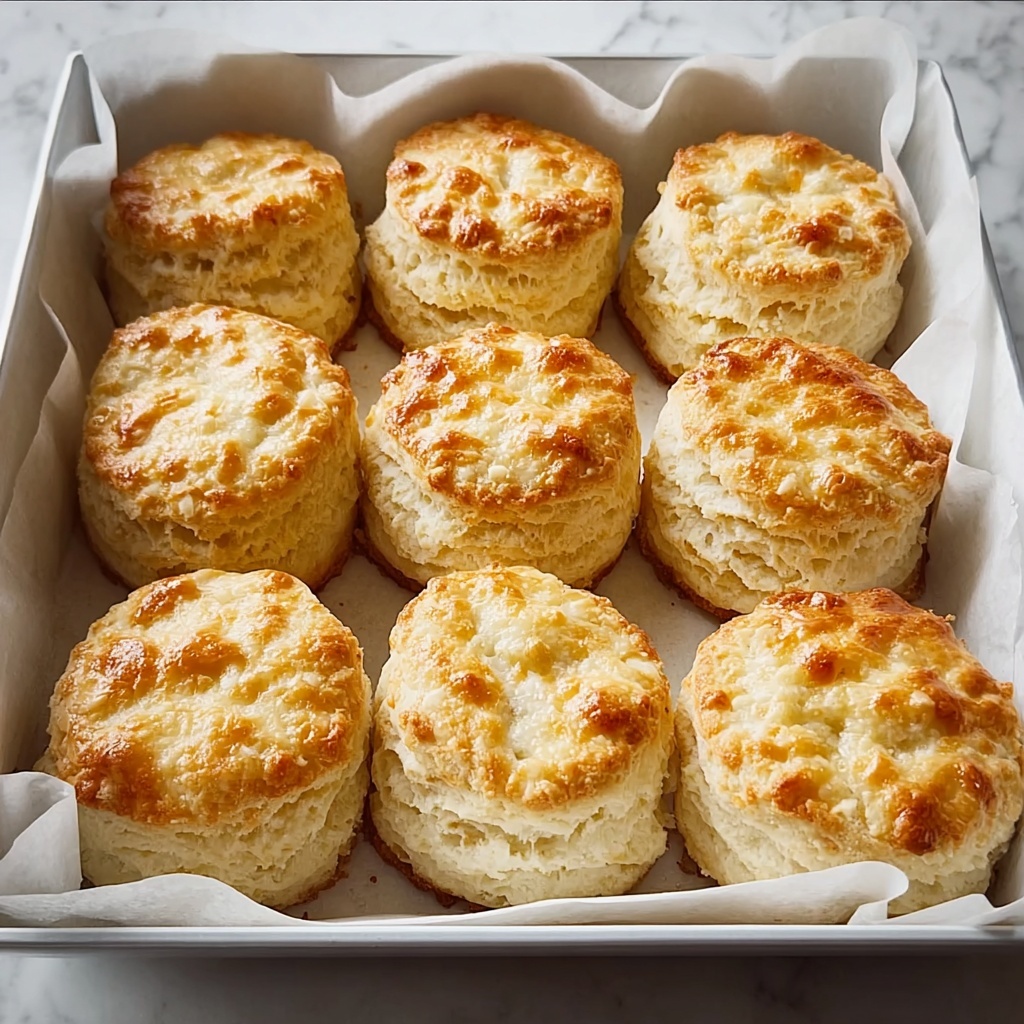
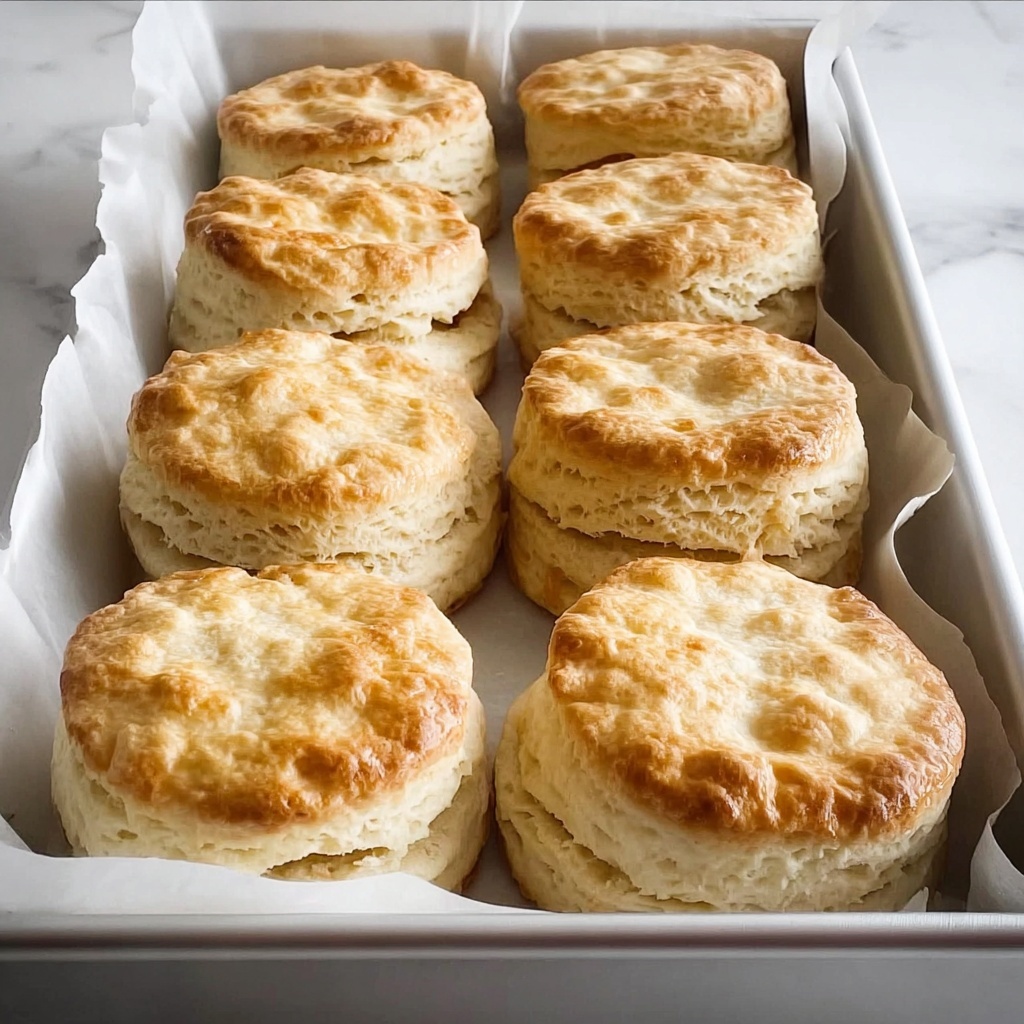
There is something truly comforting about a homemade biscuit fresh from the oven. The way the golden crust gives just enough resistance before yielding to a fluffy, tender interior creates a sensory experience that feels like a warm embrace. Whether you’re serving it alongside your morning eggs, using it to soak up savory gravy at dinner, or simply enjoying it with butter and jam, a biscuit done right elevates any meal. This Fluffy Homemade Biscuits Recipe is precisely that kind of special comfort food that invites you to pause, savor, and celebrate simplicity in its best form.
Biscuits have long been a beloved staple in American kitchens, particularly in the Southern states where they have a rich tradition dating back centuries. Rooted in humble origins, biscuits were originally a simple bread substitute made with basic pantry ingredients, yet they quickly became a symbol of home and hospitality. For many families, biscuits bring back memories of Sunday breakfasts with loved ones gathered around the table or holiday dinners where laughter mingled with the aroma of baked bread. This recipe taps into that nostalgic feeling while offering an accessible version you can enjoy any day of the week.
In this recipe, you won’t just learn how to bake biscuits; you’ll discover the secrets to achieving a fluffy texture that feels light as a cloud without sacrificing that satisfying slight chew. The combination of cold butter, buttermilk, and just the right leavening agents makes all the difference. Plus, we’ll walk through each step carefully to ensure your biscuits rise perfectly every time. Whether you’re a novice baker or someone who’s tried dozens of biscuit recipes with mixed results, this Fluffy Homemade Biscuits Recipe stands out by blending tradition with foolproof techniques.
Why You’ll Love This Fluffy Homemade Biscuits Recipe
Making biscuits at home might sound intimidating at first, but this Fluffy Homemade Biscuits Recipe breaks the process down into simple, manageable steps that anyone can follow. The entire preparation, including baking, takes just 25 minutes, so you won’t be waiting around all day for your warm, freshly baked treat. The versatility makes it practical too; you can whip up a batch on a busy morning or plan ahead for weekend brunch and still have plenty of time to get other things done.
One of the greatest joys of this recipe is how well it satisfies a crowd. Biscuits have a wonderful way of appealing across all ages and tastes, making them perfect for big family dinners or gatherings with friends. The recipe yields eight sizeable biscuits, so there’s enough for seconds without wasting any leftovers. Plus, everyone loves the option to customize their biscuit experience by adding honey, jam, or a pat of butter, making these biscuits behave like a perfect culinary blank canvas.
Aside from convenience and crowd-pleasing appeal, making biscuits at home allows you to control the quality of every ingredient and the final texture. Ordering store-bought biscuits or wasting money on frozen options can never replicate the charm of warm, fluffy homemade biscuits. The crumbly, buttery layers formed by fresh chilled butter and the tang of real buttermilk create a depth of flavor and texture that no prepackaged product can match. This homemade approach invites you to enjoy the process as much as the final product.
Ingredients You’ll Need
There are some key hero ingredients in this Fluffy Homemade Biscuits Recipe that contribute to its signature texture and flavor. First and foremost is the all-purpose flour, which provides the structure for the biscuit. Paired with the right amount of leavening agents like baking powder and baking soda, the flour transforms into tender, lofty layers once baked. The cold, unsalted butter plays a crucial role as well—it creates tiny pockets of steam that help raise the dough, while its cold temperature ensures flaky layers rather than greasy bits.
In addition to these primary components, staples like sugar and salt balance the flavor and enhance the overall taste profile. The buttermilk is irreplaceable in this recipe because of its acidity, which reacts with the baking soda to create lift and impart a subtle tang. If you find any of these ingredients unavailable, there are potential substitutions to keep in mind. For example, in place of buttermilk, you can make a quick substitute using milk and lemon juice or vinegar, which mimics the acidity needed. Always measure carefully and choose good-quality pantry staples for the best results.
- All-purpose flour: This is the foundation of the biscuits, providing the necessary gluten structure. When purchasing, opt for a brand with reliable consistency and ensure it is fresh to avoid any stale flavors.
- Baking powder: Acts as a leavening agent to help the biscuits rise and become fluffy. Check the expiration date to ensure it’s still active; otherwise, the biscuits may turn out flat.
- Baking soda: Works alongside baking powder to create lift, especially reacting with the buttermilk’s acidity. Use sparingly as too much can cause a bitter taste.
- Sugar: Adds a hint of sweetness to balance savory elements. You can use granulated sugar or finely ground cane sugar for an even texture.
- Salt: Enhances flavor by balancing the sweetness and sharpening the overall taste. Use fine salt so it disperses evenly through the dough.
- Unsalted butter: Chilled and cubed, it is essential for flaky texture and buttery flavor. Always use good quality, firm butter kept cold to prevent melting too soon.
- Buttermilk: Cold buttermilk is critical for both moisture and the chemical reaction with leavening agents. If unavailable, create a substitute with 3/4 cup milk plus 1 tablespoon lemon juice or vinegar, left to stand for 5-10 minutes.
How to Make Fluffy Homemade Biscuits Recipe
Creating fluffy, tender biscuits is truly an art that becomes a science when you follow precise steps. The success of this recipe lies in controlling the temperature of ingredients, mixing only until combined to avoid tough biscuits, and using the right baking time and temperature. While the process may seem straightforward, small details throughout make the difference between dense bread-like biscuits and light, airy clouds you can tear apart with your fingers. Patience and attention to these little details ensure that this biscuit recipe turns out perfectly every time.
Step 1: Preheat and Prepare Your Baking Surface
Start by preheating your oven to 425°F (220°C), which is an ideal temperature for achieving a golden crust quickly while allowing the interior to cook through perfectly. Meanwhile, line a baking sheet with parchment paper to prevent sticking and promote even baking. Preheating is essential because it ensures the biscuits begin rising immediately upon contact with heat, leading to that desirable flaky texture. One common mistake to avoid is skipping the parchment or baking directly on an ungreased pan, which can cause uneven browning and make removing the biscuits more difficult.
Step 2: Combine the Dry Ingredients
In a large mixing bowl, whisk together 2 cups of all-purpose flour, 1 tablespoon baking powder, 1/2 teaspoon baking soda, 1 teaspoon sugar, and 1/2 teaspoon salt. This step evenly distributes the leavening agents and seasoning throughout the flour, which is crucial for consistent texture and flavor. Whisking also aerates the dry ingredients slightly, helping the biscuits rise better later on. Make sure to break up any clumps in the flour, as lumps could cause uneven pockets in the dough.
Step 3: Cut in the Cold Butter
Next, add 6 tablespoons of chilled, cubed unsalted butter into the dry mixture. Use a pastry cutter, two knives, or your fingertips to cut the butter into the flour until the mixture looks like coarse crumbs with pea-sized pieces of butter remaining. This is key because those bits of solid butter create steam during baking, resulting in light, flaky layers. Avoid overworking the butter or letting it melt, as that will lead to greasy, dense biscuits rather than fluffy ones.
Step 4: Add the Cold Buttermilk and Mix Gently
Make a well in the center of the flour mixture and pour in 3/4 cup of cold buttermilk. Use a fork to gently stir the ingredients together just until the dough comes together in a rough mass. It’s important not to overmix at this stage because overwork gluten can make the biscuits tough instead of light. You’ll know you’ve mixed enough when you can see the dough holding but it still looks somewhat shaggy, with a few dry flecks of flour scattered throughout.
Step 5: Turn Out and Knead the Dough Lightly
Transfer the dough to a lightly floured surface and knead it gently three to four times. This minimal kneading helps bring the dough together without developing too much gluten, which keeps the biscuit tender. Pat the dough down with your hands until it reaches about one-inch thickness. Pressing gently rather than rolling helps maintain the air bubbles and flaky texture. Avoid heavy kneading or pressing, as that can compact the dough and reduce fluffiness.
Step 6: Cut Out the Biscuits and Prepare for Baking
Use a biscuit cutter or a clean glass to cut out rounds from the dough, placing them close together on your prepared baking sheet. Fill the cutter cleanly and push straight down without twisting to prevent sealing the edges, which would prevent good rise. Gather the remaining scraps, gently pat them back together, and cut more biscuits until all the dough is used. Arranging the biscuits close together helps them rise taller by insulating the sides, but they should not be touching fully.
Step 7: Bake Until Golden Brown
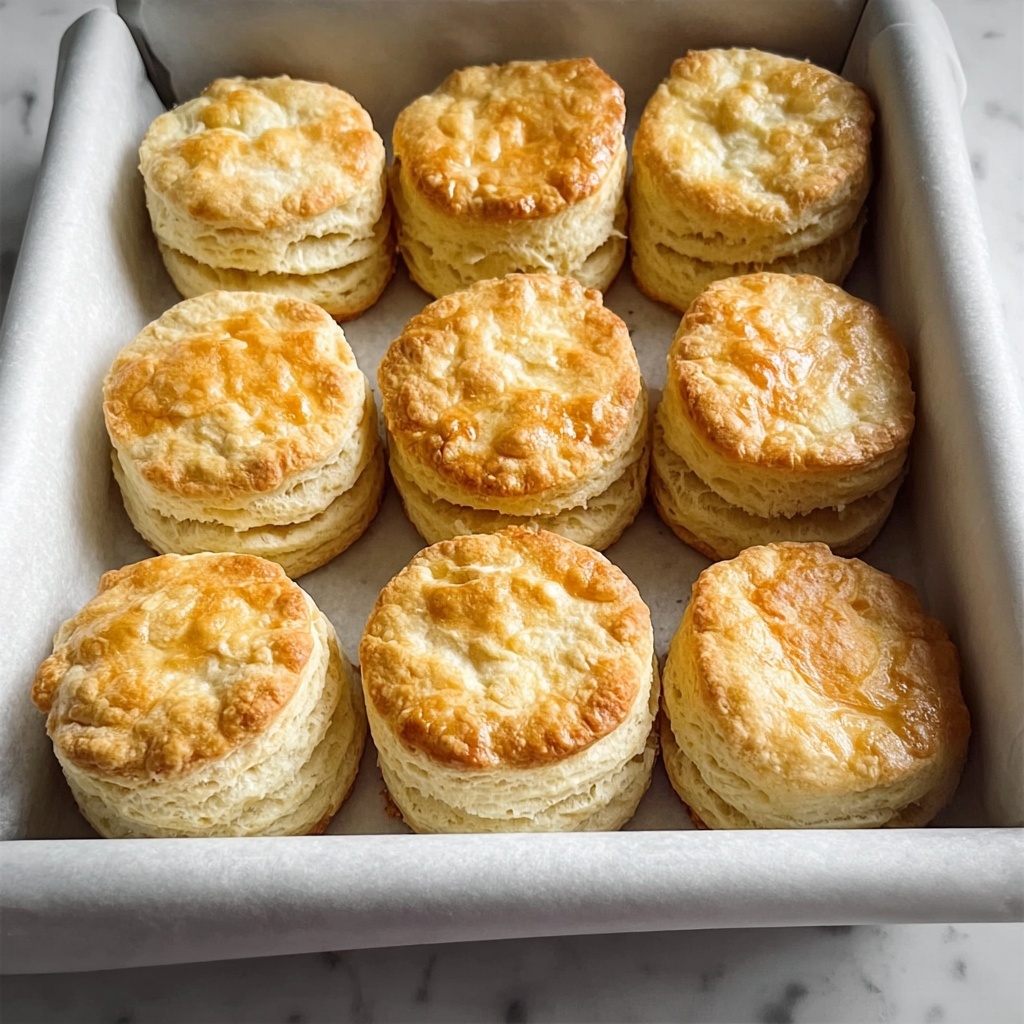
Bake the biscuits at 425°F (220°C) for 12 to 15 minutes, or until the tops are beautifully golden and the edges just turn a slightly deeper shade. During baking, the butter melts and releases steam, making the biscuits fluff up with delicate pockets. Keep an eye on the oven towards the end to avoid burning. Once done, remove the biscuits and let them rest for a few minutes before serving warm with your favorite spread.
Pro Tips for the Best Fluffy Homemade Biscuits Recipe
Tip 1: Use Ice-Cold Butter
One of the most crucial tips for fluffy biscuits is ensuring the butter stays cold until it hits the oven. Cold butter creates steam pockets inside the dough, which translates into light, flaky layers. To help with this, cube your butter and keep it in the freezer for 10-15 minutes before cutting it in. Avoid using melted or softened butter since it blends too thoroughly with the flour and loses that layering effect.
Tip 2: Don’t Overwork the Dough
Overmixing or overkneading biscuit dough develops gluten, resulting in a tougher biscuit. Mix just until ingredients come together and knead lightly three to four times on a floured surface. This allows the dough to hold together without sacrificing softness. Remember that a little shaggy, slightly crumbly texture is a sign you’re on the right track.
Tip 3: Use Fresh Leavening Agents
Always ensure that your baking powder and baking soda are fresh and active. Old, expired powder or soda won’t provide the necessary lift, causing flat and dense biscuits. Test by adding a little baking soda to vinegar or baking powder to warm water—if it bubbles actively, it’s good to use.
Tip 4: Bake on Parchment Paper
Using parchment paper on your baking sheet prevents batting the biscuits directly on metal, which can cause uneven heat spots. Parchment also helps with easy removal and cleanup, allowing the biscuits to brown evenly and retain a tender crust. It’s a simple step that makes a big difference in texture and presentation.
Variations and Substitutions
Make It Vegetarian
While this Fluffy Homemade Biscuits Recipe is already vegetarian as it contains no meat, a common adaptation is to ensure any accompaniments are similarly vegetarian-friendly. If you want to include additions like cheese or herbs within your biscuits, simply fold in shredded vegetarian cheese or chopped fresh rosemary or chives after cutting the butter in. These additions enhance flavor but do not alter the vegetarian nature of the dish, maintaining a pure, inclusive option for all guests.
Make It Spicy
For those who enjoy a bit of heat, you can add finely minced jalapeños or a pinch of cayenne pepper to the dry ingredients before incorporating the butter. Start with a teaspoon of minced jalapeño or 1/4 teaspoon cayenne and adjust based on your desired heat level. These minor tweaks infuse the dough with warmth without overpowering the buttery, rich biscuit flavor. Spicy biscuits make a wonderful accompaniment to chili or hearty stews.
Protein Swaps
Odd as it may sound, biscuits pair well with a range of protein dishes. Consider serving these biscuits alongside crispy fried chicken, tender grilled sausage, or savory roast beef for hearty meals. For plant-based options, black bean patties or tender tempeh slices can provide complementary protein. If adding proteins into the biscuit dough, such as chopped bacon or ham, reduce salt accordingly and be mindful of baking time to avoid drying out your meat additions.
Dietary Modifications
Adapting this recipe for dietary needs is quite feasible. For gluten-free biscuits, substitute the all-purpose flour with a gluten-free flour blend designed for baking and consider adding xanthan gum if your blend lacks it. Low-sodium options involve simply using less salt or a salt substitute, but keep in mind this may slightly mute flavors. Dairy-free versions can swap unsalted butter with plant-based alternatives like coconut oil or vegan margarine and replace buttermilk with a mixture of almond or oat milk plus lemon juice as your acidic element.
How to Serve Fluffy Homemade Biscuits Recipe
Garnishes
Consider enhancing your biscuits with a few simple, beautiful garnishes. A pat of softened butter melting on a hot biscuit adds classic richness and shine. A spoonful of warm honey brings inviting sweetness and a glossy finish that appeals visually and flavor-wise. For a savory option, fresh herbs like chopped chives or thyme sprinkled on top add a pop of color and herbaceous brightness, lifting the palate and making it feel more special.
Side Dishes
Biscuits make an ideal partner to savory dishes that benefit from their tender, slightly sweet crumb soaking up sauces or gravies. A bowl of creamy chicken and mushroom stew is one such pairing where the biscuits balance the rich flavors perfectly. Fresh scrambled eggs or a simple fried egg harmonize for a satisfying breakfast or brunch combination. Roast vegetables seasoned with herbs create a healthy complement that brightens the meal. Lastly, a hearty bowl of tomato soup and biscuits offer a nostalgic, cozy pairing perfect on cooler days.
Creative Presentation Ideas
Serving biscuits can be as simple or as elegant as you want. For a casual weeknight dinner, stack biscuits on a rustic wooden board accompanied by small bowls of honey, butter, and jam for a relaxed, family-friendly spread. At a dinner party, arrange biscuits in a baking basket lined with a bright linen napkin alongside a charcuterie or cheese board for an elevated, inviting look. For potlucks, consider slicing biscuits horizontally and preparing mini biscuit sandwiches filled with ham and cheese or smoked turkey and greens, transforming biscuits into handheld delights everyone can enjoy.
Make Ahead and Storage
Storing Leftovers
If you find yourself with extra biscuits, store them in an airtight container or resealable plastic bag at room temperature for up to two days. Avoid refrigeration as it can dry out the biscuits and cause them to lose their delicate texture. To help maintain softness, place a slice of bread in the container—this adds moisture and can keep biscuits tender longer. Before eating, gently warm stored biscuits in the oven to refresh their fluffiness.
Freezing Instructions
Biscuits freeze very well, making them convenient for meal prep. To freeze, let the biscuits cool completely after baking, then wrap each individually in plastic wrap or aluminum foil to prevent freezer burn. Place the wrapped biscuits in a large resealable freezer bag and remove as much air as possible before sealing. Biscuits can be frozen for up to three months. To thaw, transfer to the refrigerator overnight or thaw at room temperature for about an hour. Reheat after thawing for best texture.
Reheating Methods
To revive leftover or frozen biscuits, the oven method is best to maintain their fluffy, flaky texture. Preheat your oven to 350°F (175°C), place biscuits on a baking sheet, and cover loosely with foil. Warm for about 10 minutes or until heated through. For a stovetop option, wrap the biscuit in foil and place on a warm pan for a few minutes, turning occasionally. Microwave reheating is fastest but can result in chewy biscuits; heat on a low setting for 20-30 seconds and cover with a damp paper towel to retain moisture.
FAQs About Fluffy Homemade Biscuits Recipe
Why did my biscuits turn out dense instead of fluffy?
Typically, dense biscuits result from overmixing the dough or using room-temperature butter instead of cold butter. Overworking the dough develops gluten, which tightens the structure, while warm butter blends too thoroughly, preventing flakiness. To avoid this, mix just until combined, keep your butter chilled and cut in quick, and knead minimally before baking.
Can I substitute milk for buttermilk in this recipe?
While buttermilk is preferred due to its acidity that reacts with baking soda, you can substitute milk with a small addition of acid to mimic it. Mix 3/4 cup milk with 1 tablespoon lemon juice or vinegar and let it sit for 5-10 minutes before using. This homemade substitute helps produce the right chemical reaction resulting in tender biscuits.
Is it necessary to bake biscuits at such a high temperature?
Yes, the 425°F baking temperature is key to forming a golden exterior quickly while allowing steam from the butter to raise the biscuits effectively. Baking at lower temperatures may result in dry, pale biscuits that do not rise properly. If you find your biscuits brown too quickly, you can tent them with foil midway through baking.
How do I prevent my biscuits from sticking to the cutter or surface?
To prevent sticking, dip your biscuit cutter or glass into flour before cutting each biscuit. Also, lightly flour your work surface to help the dough not stick while patting it out. Avoid twisting the cutter when cutting, as this seals the edges and inhibits rising; simply press straight down and lift.
Can I add cheese or herbs to this biscuit recipe?
Absolutely, incorporating shredded cheese like cheddar or herbs such as chives or thyme enhances the flavor nicely. Add about 1/2 cup of cheese or a tablespoon of finely chopped fresh herbs with the dry ingredients. Keep in mind this may slightly alter the texture and flavor, but generally enriches the biscuits.
What is the best way to store leftover biscuits?
Store leftover biscuits in an airtight container at room temperature for up to two days for best texture. Avoid refrigeration, which dries them out quickly. For longer storage, freeze the biscuits individually wrapped to maintain moisture and quality, then reheat before serving.
Are these biscuits suitable for breakfast, lunch, or dinner?
Fluffy homemade biscuits are wonderfully versatile and fit well into any mealtime. They pair beautifully with breakfast staples like eggs and bacon, serve as the perfect dinner side with hearty stews and roasts, and can even become sandwiches for lunch. Their adaptability makes them a timeless addition to the meal rotation.
Final Thoughts
There is a unique satisfaction that comes from pulling a tray of golden, fluffy biscuits out of the oven and sharing them with family or friends. This Fluffy Homemade Biscuits Recipe captures the essence of comfort food with its tender layers and slightly sweet, buttery crumb. It has the ability to transform simple ingredients into something that feels both nostalgic and luxurious, making it a recipe you’ll want to come back to time and time again.
If you have ever hesitated to bake biscuits from scratch, I encourage you to give this recipe a try—you might be surprised how easy it is to get restaurant-quality biscuits at home. Share your baking successes and any creative twists you try, and be sure to visit for more recipes that make everyday cooking a warm, rewarding experience. Your journey to perfect biscuits starts here with this Fluffy Homemade Biscuits Recipe and unfolds with every bite.
Print
- Prep Time: 10 minutes
- Cook Time: 15 minutes
- Total Time: 25 minutes
- Yield: 8 servings
- Category: Baked Goods
- Method: Baking
- Cuisine: American
- Diet: Vegetarian
Description
These fluffy homemade biscuits are the perfect golden-topped, buttery treats ideal for breakfast or as a side for any meal. Made with simple pantry staples like all-purpose flour, baking powder, and chilled butter, these biscuits come together quickly with minimal mixing and bake to a tender, flaky texture that melts in your mouth.
Ingredients
Dry Ingredients
- 2 cups all-purpose flour
- 1 tablespoon baking powder
- 1/2 teaspoon baking soda
- 1 teaspoon sugar
- 1/2 teaspoon salt
Wet Ingredients
- 6 tablespoons unsalted butter, chilled and cubed
- 3/4 cup buttermilk, cold
Instructions
- Preheat Oven: Preheat your oven to 425°F (220°C) and line a baking sheet with parchment paper to prepare for baking the biscuits.
- Mix Dry Ingredients: In a large bowl, whisk together the all-purpose flour, baking powder, baking soda, sugar, and salt until fully combined for an even distribution of leavening agents and seasoning.
- Cut in Butter: Add the chilled and cubed unsalted butter to the dry ingredients. Using a pastry cutter or your fingers, cut the butter into the flour mixture until it resembles coarse crumbs, ensuring bits of butter remain to create the flaky texture.
- Add Buttermilk: Make a well in the center of the flour mixture and pour in the cold buttermilk. Gently mix with a fork just until the dough begins to come together, avoiding overmixing to keep the biscuits tender.
- Knead and Shape Dough: Turn the dough onto a lightly floured surface and knead it gently 3 to 4 times. Then, pat the dough out to about 1-inch thickness, shaping it evenly for consistent baking.
- Cut Biscuits: Use a biscuit cutter or a glass to cut out biscuits from the dough. Gather and re-roll any scraps to use all the dough efficiently.
- Bake Biscuits: Arrange the cut biscuits on the prepared baking sheet with some space between them. Bake in the preheated oven for 12 to 15 minutes, or until the biscuits rise and turn a beautiful golden brown on top.
- Serve: Remove the biscuits from the oven and serve warm with your favorite toppings such as butter, honey, or jam for a delicious treat.
Notes
- For best results, keep the butter and buttermilk as cold as possible to ensure a flaky texture.
- Do not overwork the dough to avoid dense biscuits; gentle kneading is key.
- If you don’t have buttermilk, you can substitute by adding 1 tablespoon of white vinegar or lemon juice to 3/4 cup of milk and letting it sit for 5 minutes.
- Baking time may vary slightly depending on your oven; keep an eye on the biscuits toward the end.
- Biscuits are best enjoyed fresh but can be stored in an airtight container for up to 2 days and reheated.