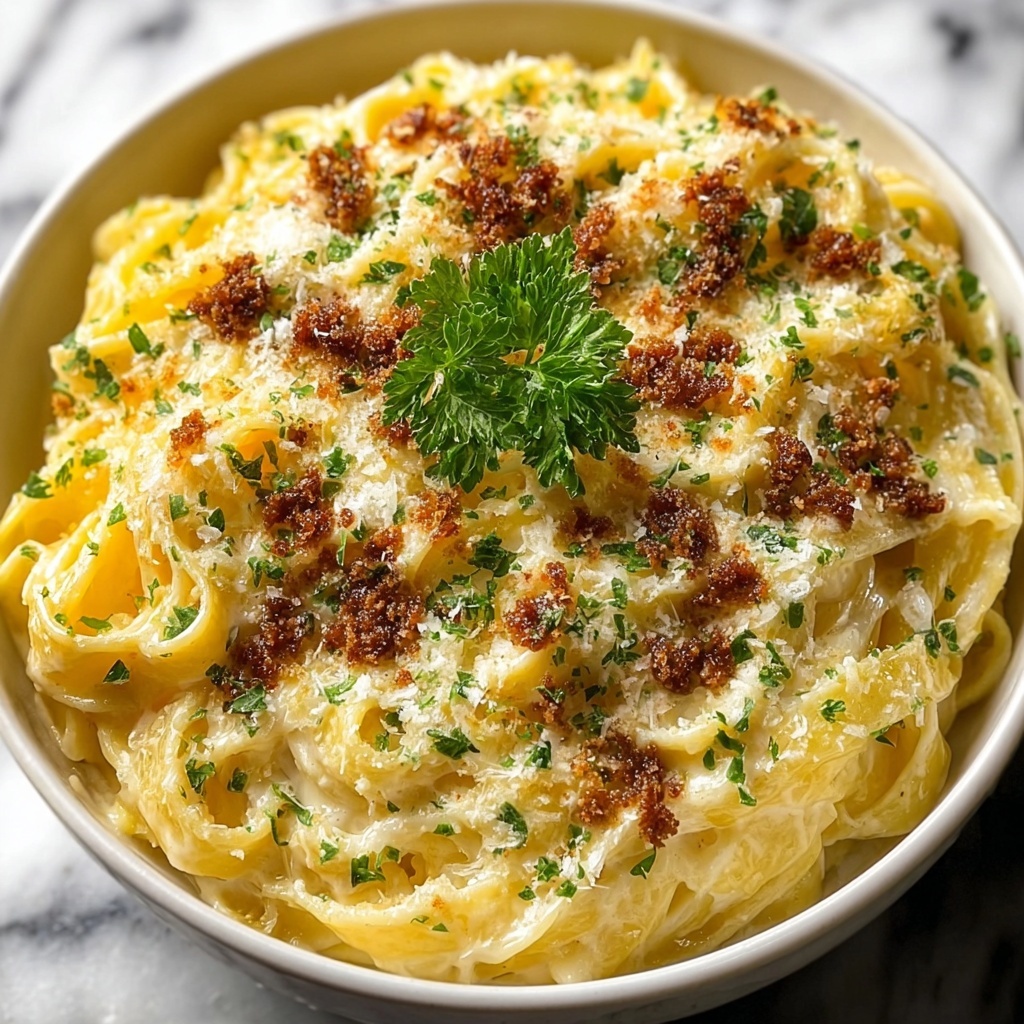
There are certain recipes that, once you’ve tasted them, seem to whisper for you to make them over and over. This Garlic Butter Beef Linguine Recipe is one of those dishes that excels in texture and flavor so naturally it becomes an instant favorite. The tender strips of beef paired with perfectly al dente linguine create a satisfying experience every single time. And then there is that luscious garlic butter sauce that clings to each strand of pasta, inviting you to savor every bite. It’s a meal that works wonderfully for a casual family dinner, a cozy date night, or as a way to impress guests without endless fuss.
This recipe carries a modern take on classic Italian influences, where butter and garlic have long been cherished staples for making simple yet comforting meals. Beef linguine is not only rooted in tradition but also serves as a blank canvas for personal touches, which makes it especially beloved in homes where food is about connection and warmth. Whether recalling Sunday dinners or lively gatherings filled with laughter, this dish embodies a sense of belonging and joyful eating that many remember fondly. Its flavors evoke a shared sense of nourishment and satisfaction that is timeless.
By following this Garlic Butter Beef Linguine Recipe, you will learn not just how to bring together the ingredients effortlessly, but also how to master techniques that enhance flavor and texture in ways that can elevate your cooking. You’ll find this version stands out with the careful balance of a rich garlic butter sauce, the acidity from lemon juice and white wine, and the subtle spice from red pepper flakes. With step-by-step instructions and thoughtful tips, this recipe isn’t just about making pasta; it’s about creating a memorable dining experience that you can take pride in sharing.
Why You’ll Love This Garlic Butter Beef Linguine Recipe
One of the first things that will win you over about this Garlic Butter Beef Linguine Recipe is how surprisingly easy it is to prepare. Despite having layers of flavor, none of the steps are complicated or overly time-consuming. The ingredients come together in an intuitive way, making this dish accessible for cooks of all levels. You don’t need hours in the kitchen or specialty gadgets—just focus on using quality components, and the recipe takes care of itself. Cooking this feels more like an enjoyable, satisfying project than a chore.
This recipe is also a crowd-pleaser for its ability to comfortably serve six people, perfect for both family meals and small dinner parties. The rich, buttery sauce combined with tender beef strips and the mild heat of red pepper flakes means it appeals to a range of tastes without overwhelming. Because of the generous portions and hearty ingredients, it easily satisfies those with big appetites or picky eaters looking for something familiar yet flavorful. Sharing this linguine with friends or family instantly makes any occasion feel special and relaxed.
Versatility is another highlight of this dish. It works well as a weekday dinner when time is limited, but it also lends itself beautifully to celebratory meals or weekend cooking. You can adjust the heat level, swap out proteins, or add extra vegetables for more complexity based on what is available in your pantry or what you’re craving. Additionally, making it at home means you control every element from seasoning to the quality of beef, which inevitably produces a better, fresher result than many takeout options. It brings the comfort of a homemade meal with the sophisticated aromas and tastes of a restaurant favorite.
Ingredients You’ll Need
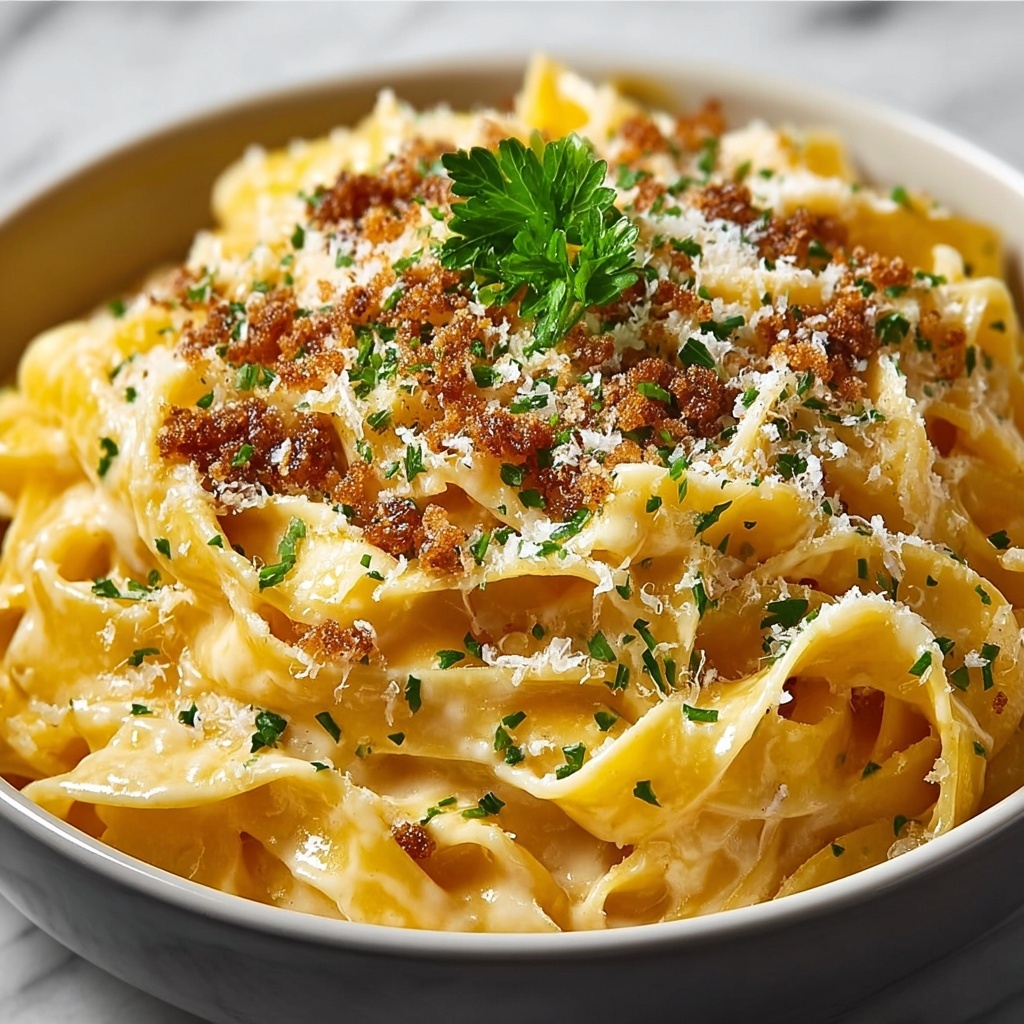
At the heart of this Garlic Butter Beef Linguine Recipe are ingredients that each play a critical role in building the dish’s layers of flavor. The linguine pasta acts as the perfect vehicle, with its flat, slightly broader shape ideal for holding on to the rich sauce. Unsalted butter and garlic come together to create the foundational sauce, imparting depth and a warm, irresistible aroma. The beef sirloin adds a meaty richness and satisfying texture that complements the softness of the pasta. Fresh parsley and lemon juice bring brightness to the dish, offering balance, while wine and beef broth deepen the savory notes.
Many of the other ingredients are pantry staples that add flavor and seasoning to round out the dish. Red pepper flakes contribute gentle heat but can be adjusted to suit your preferences. Dried oregano adds a touch of herbal complexity, while Parmesan cheese enriches the sauce with its subtly salty and nutty profile. Olive oil helps in searing the beef, ensuring it develops a golden-brown crust that is essential for developing flavor. If you ever need to substitute some of these, there are plenty of options you can lean on without losing the essence of the dish.
- Linguine pasta: This pasta type holds sauces well due to its thin, flat shape. If linguine is unavailable, spaghetti or fettuccine are good alternatives that maintain a similar mouthfeel.
- Beef sirloin (1.5 pounds): Chosen for its tenderness and flavor, thin strips cook quickly while retaining juiciness. Opt for freshly trimmed sirloin from a trusted butcher for best results.
- Unsalted butter (8 tablespoons): Butter is essential to creating the rich, aromatic sauce base. Use unsalted to better control the salt levels in the recipe and consider European-style butter for extra creaminess.
- Garlic (8 cloves, minced): Garlic imparts the iconic pungent and savory flavor. Fresh garlic cloves provide the best intensity; avoid pre-minced substitutes which can be less vibrant.
- Dry white wine (1/2 cup): Aids in deglazing the pan and adds acidity and depth. Sauvignon Blanc or Pinot Grigio are preferred, but any dry white wine will suit the purpose.
- Beef broth (1/4 cup): Enhances the meaty undertones in the sauce. Low-sodium broth is recommended to better manage seasoning.
- Fresh parsley (1/4 cup chopped): Adds a fresh, herbal brightness that lifts the heavy butter flavors. Flat-leaf parsley is most commonly used for its clean taste.
- Lemon juice (2 tablespoons): Balances richness with a refreshing acidic note. Freshly squeezed lemon juice is best to avoid any bitterness from bottled varieties.
- Red pepper flakes (1 teaspoon): Provide a gentle heat to contrast the richness. Adjust the amount to suit your spice tolerance, and remember a little can go a long way.
- Dried oregano (1/2 teaspoon): Offers a subtle earthiness to round out the sauce. Crushed oregano from a jar works well and complements the other herbs.
- Grated Parmesan cheese (1/4 cup, plus more for serving): Brings a nutty, salty finish to the dish. Freshly grated from a block is always preferred over pre-grated for better melting and flavor.
- Salt and freshly ground black pepper (to taste): Crucial for seasoning the beef and sauce. Season gradually and taste to avoid over-salting.
- Olive oil (2 tablespoons): Used for searing the beef strips to develop flavor and color. Choose a good quality, mild olive oil to avoid overpowering the other tastes.
How to Make Garlic Butter Beef Linguine Recipe
The cooking process combines simple techniques that work in harmony to create something far beyond the sum of its parts. This recipe balances direct heat cooking such as searing the beef to develop texture, with gentle simmering to meld the flavors of the sauce beautifully. Timing is essential, especially to ensure the beef remains tender without overcooking. Also, using reserved pasta water to adjust the sauce’s consistency is key to achieving that glossy, clingy finish most people love.
Step 1: Prepare and Season the Beef Strips
Begin by patting the beef sirloin strips dry using paper towels—this helps in attaining a perfect sear later on. Season the strips generously with salt and freshly ground black pepper to build foundational flavor inside the meat. Drying and seasoning the beef beforehand ensures the surface can caramelize beautifully during cooking. One common mistake is to skip drying the beef; this leads to steaming instead of searing, preventing that desirable brown crust.
Step 2: Melt Butter and Sauté Garlic
Heat a large skillet or Dutch oven over medium heat and melt the unsalted butter slowly until it coats the pan. Add the minced garlic and gently sauté for 1 to 2 minutes, watching closely until it becomes fragrant without browning or burning, as burnt garlic becomes bitter. This step awakens the aromatic base of the sauce, so patience here pays off. Avoid turning the heat too high too quickly, which risks scorching the butter and garlic before you are ready to add the next ingredient.
Step 3: Sear the Beef in Olive Oil
Add olive oil to the skillet to raise the heat to medium-high. Sear the beef strips in batches if necessary to avoid overcrowding the pan, cooking for 2 to 3 minutes per side until each piece is beautifully browned and caramelized. This Maillard reaction enriches the flavor and texture of the meat. Remove the browned beef and set it aside while you prepare the sauce base. Overcrowding the pan causes the beef to stew in its juices, resulting in a less tasty and unevenly cooked batch.
Step 4: Deglaze with White Wine and Reduce
Pour in 1/2 cup of dry white wine to the skillet, scraping any browned bits from the bottom—this step collects concentrated flavor called “fond.” Let the mixture simmer for 2 to 3 minutes, allowing the wine to reduce slightly and mellow out its acidity. This adds a bright, subtle complexity to the sauce that balances the richness of butter and beef. Use a good quality dry white wine you would enjoy drinking, since cooking intensifies its flavor.
Step 5: Add Broth, Spices, and Simmer
Next, stir in 1/4 cup of beef broth along with the red pepper flakes and dried oregano to the skillet. Allow the mixture to simmer gently for about 5 minutes until it thickens just slightly, concentrating the flavors together. This slow melding builds depth and layers that truly define the sauce’s character. Avoid rushing this step, as insufficient simmering will result in a thinner sauce with less integrated flavor.
Step 6: Finish Sauce with Lemon Juice, Parmesan, and Beef
Stir in 2 tablespoons of fresh lemon juice and 1/4 cup grated Parmesan cheese, which add freshness and umami to the sauce. Taste and adjust seasoning with salt and pepper to your preference. Return the seared beef to the skillet, coating each strip in the sauce, and let it simmer gently for another 5 minutes to ensure the beef is tender and infused with flavor. This final simmer guarantees the beef is juicy and soft, making every bite sumptuous and flavorful.
Step 7: Cook the Linguine and Combine
While the sauce simmers, bring a large pot of salted water to a boil and cook the linguine according to package directions until al dente, typically about 8 to 10 minutes. Before draining, reserve one cup of the pasta cooking water—this starchy water helps adjust the sauce consistency to perfectly coat the pasta. Drain the linguine and add it directly to the skillet with the beef and sauce. Toss well to combine, adding reserved pasta water as needed for a silky, luscious texture.
Step 8: Garnish and Serve Immediately
Finish off by stirring in 1/4 cup of freshly chopped parsley for vibrant color and herbal lift. Serve the Garlic Butter Beef Linguine immediately, garnished with extra Parmesan cheese and additional parsley if desired. The heat of the dish will slightly melt the cheese, adding another layer of richness. For best enjoyment, serve while warm, as the sauce is most luscious and coating at this point.
Pro Tips for the Best Garlic Butter Beef Linguine Recipe
Tip 1: Dry the Beef Thoroughly
Patting the beef strips completely dry before seasoning helps achieve a beautifully crisp sear. Excess moisture creates steam in the pan, which prevents browning and can make the beef tougher. This simple step improves taste and texture significantly, turning your beef from stewed to perfectly caramelized.
Tip 2: Use Fresh Garlic and Lemon Juice
Fresh minced garlic provides a sharp yet mellow aroma that powder or paste substitutes cannot match. Similarly, using freshly squeezed lemon juice brightens the entire dish with real acidity, avoiding the bitterness and preservatives found in bottled lemon juice. These small ingredient upgrades make a noticeable difference in flavor clarity.
Tip 3: Don’t Skip the Reserved Pasta Water
The starchy water from cooking pasta is key to loosening the sauce without watering it down, helping it cling luxuriously to every strand. Adding it gradually allows you to control the consistency perfectly. This timeless trick ensures your sauce is coated evenly and glossy rather than thick and clumpy.
Tip 4: Cook Beef in Batches
To get the best sear, cook the beef strips in batches without overcrowding the pan. Overcrowding lowers the pan temperature and causes the beef to steam rather than brown. Taking a few extra minutes to do this pays off when you taste the richer flavor and juicier texture of perfectly seared beef.
Variations and Substitutions
Make It Vegetarian
To transform this recipe into a vegetarian option, swap the beef with hearty mushrooms such as portobello or cremini, sliced thick for texture. Mushrooms offer umami that mimics the beefy depth, and sautéed in the garlic butter sauce, they absorb the flavors wonderfully. For additional protein, you could add tofu or tempeh cubes, seasoned well and browned before adding to the sauce. This variation maintains the cozy feel of the dish without compromising on richness.
Make It Spicy
If you want a spicier version, increase the red pepper flakes to 2 teaspoons or add a pinch of cayenne pepper during the simmering step. You can also garnish with thinly sliced fresh chili or drizzle some chili oil before serving for an extra kick. Adjust these additions carefully depending on your heat tolerance; the spice illuminates the buttery sauce and creates a vibrant contrast that some find irresistible.
Protein Swaps
If beef sirloin is not your preference, this recipe adapts well to several other proteins. Thinly sliced chicken breast or thighs work perfectly and require a slightly shorter searing time—about 2 minutes per side. Shrimp is another excellent choice; cook them briefly until just pink, about 1 to 2 minutes each side, then incorporate into the sauce. For a more indulgent option, try thin slices of pork tenderloin cooked similarly to beef. Each swap slightly changes the cooking time but maintains the recipe’s overall essence and ease.
Dietary Modifications
For gluten-free needs, simply replace the linguine with gluten-free pasta made from rice, corn, or legumes. Be sure to check cooking times as these can vary. For low-sodium adaptation, use unsalted broth and reduce added salt, relying more on fresh herbs and lemon juice to enhance flavor. To make it dairy-free, substitute the butter with a plant-based alternative like vegan margarine or olive oil, and omit Parmesan or replace it with nutritional yeast for a cheesy flavor. These swaps retain the comforting nature of the recipe while addressing dietary restrictions thoughtfully.
How to Serve Garlic Butter Beef Linguine Recipe
Garnishes
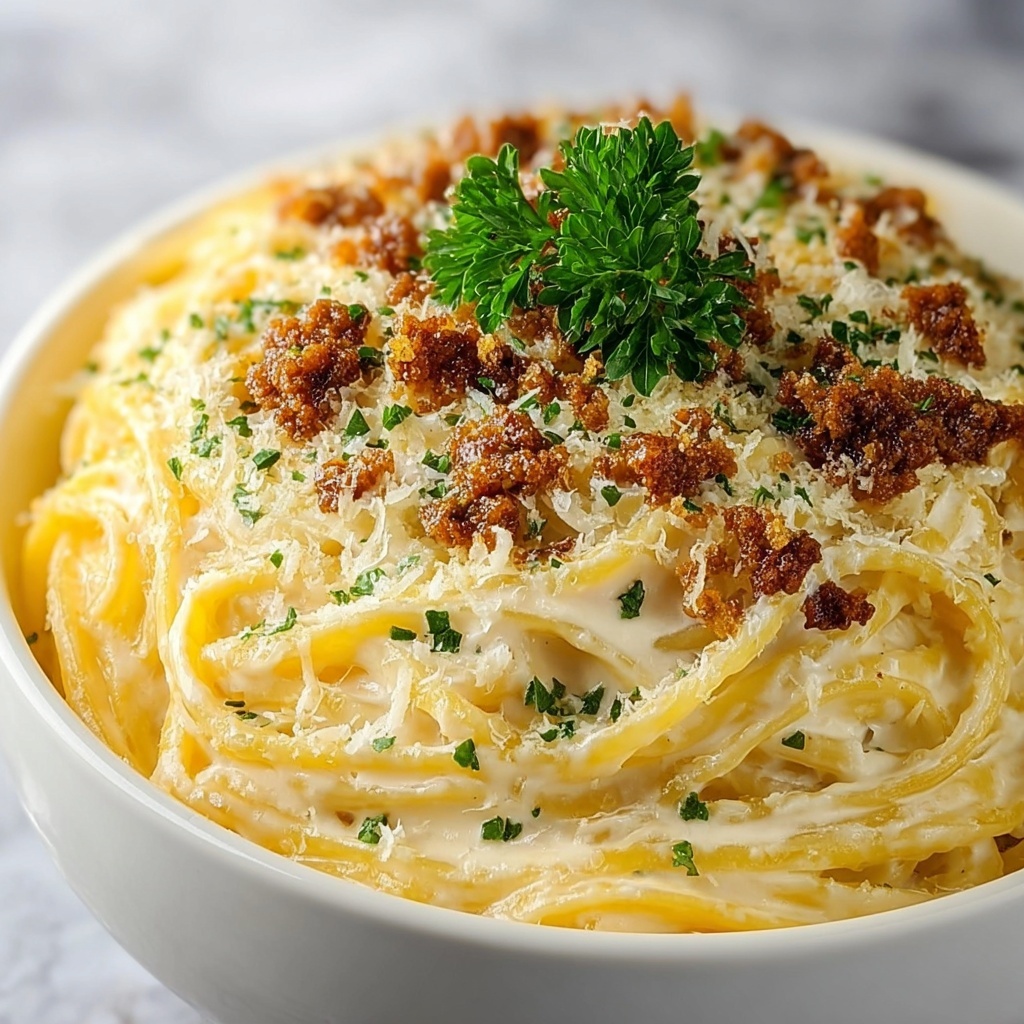
To elevate the appearance and flavor, consider garnishing with extra freshly grated Parmesan cheese which melts slightly into the warm pasta, adding richness and texture contrast. A sprinkle of finely chopped fresh parsley brightens the dish visually with its green hue while contributing a fresh herbal note. A light drizzle of good quality olive oil on top adds gloss and a fruity aroma that complements the beef and butter.
Side Dishes
This dish pairs beautifully with crisp, refreshing sides such as a simple mixed green salad dressed in lemon vinaigrette, helping to cut through the richness. Garlic bread is a classic companion that matches the garlic butter theme while providing satisfying crunch. Roasted or steamed seasonal vegetables like asparagus or green beans add color, nutrients, and a textural contrast that balances the meal. For a heartier accompaniment, creamy mashed potatoes or a Caesar salad also complement the flavors harmoniously.
Creative Presentation Ideas
For a casual weeknight dinner, serve the linguine family-style in the skillet, inviting everyone to help themselves for a warm communal feeling. At a dinner party, plate individual servings on warmed white or patterned plates, garnishing with parsley, a Parmesan crisp, and a twist of black pepper for elegance. For a potluck or buffet, arrange the linguine in a large serving dish topped with extra cheese and parsley, accompanied by bowls of crushed red pepper flakes and lemon wedges for guests to customize their servings.
Make Ahead and Storage
Storing Leftovers
To store leftover Garlic Butter Beef Linguine, transfer it into an airtight container that seals well to preserve moisture and prevent odors from seeping in. Refrigerate for up to three days to maintain freshness and flavor. To help retain the sauce’s silky texture upon reheating, consider storing a small amount of reserved pasta water or broth separately, which can be stirred back in to revive the sauce consistency.
Freezing Instructions
Freezing this linguine is possible but requires careful handling to maintain quality. Allow the dish to cool to room temperature before transferring into a freezer-safe container or heavy-duty zip-top bag, removing as much air as possible. Label and date the package; it can be frozen for up to two months. Thaw overnight in the refrigerator before reheating gently to prevent the beef and pasta from becoming tough or mushy, stirring in some broth or pasta water to refresh the sauce.
Reheating Methods
For stovetop reheating, warm the linguine over low to medium heat in a skillet, adding a splash of broth or pasta water to loosen the sauce and stirring occasionally to heat evenly. This method brings the closest to freshly cooked texture. To reheat in the oven, place the linguine in an oven-safe dish covered with foil, and bake at 350°F for about 15 minutes, stirring once if possible. In the microwave, reheat on medium power in short intervals, stirring between each, to avoid drying out the beef and overcooking the pasta.
FAQs About Garlic Butter Beef Linguine Recipe
Can I use a different cut of beef for this recipe?
Yes, while sirloin is recommended for its tenderness and flavor, other cuts like flank steak or ribeye can work if thinly sliced. Just be mindful that tougher cuts might benefit from marinating or slower cooking to become tender. When substituting, slice the meat against the grain to keep it as tender as possible.
What can I do if I don’t have white wine?
If you don’t have white wine, you can replace it with extra beef broth and a splash of white wine vinegar or lemon juice to maintain the acidity. Another option is using non-alcoholic white wine or apple cider vinegar diluted with water. The goal is to mimic the acidity and deglazing effects that wine imparts.
How do I prevent the beef from becoming tough?
Key strategies are slicing the beef thinly and cooking it quickly over higher heat to sear without overcooking. Avoid stirring too often, and remove the beef from heat as soon as it turns brown to prevent drying. Adding the beef back into the sauce to simmer gently at the end helps tenderize it further.
Is it okay to use pre-minced garlic for this dish?
While pre-minced garlic can be used in a pinch, fresh minced garlic is preferred for maximum flavor and aroma. Pre-minced versions often have preservatives that dull the bright sharpness and can affect texture. Fresh garlic sautéed in butter develops a rich fragrance that is vital to this recipe’s character.
Can I cook the beef and sauce ahead of time?
Yes, the beef and sauce can be prepared a few hours ahead and refrigerated. When ready to serve, gently reheat the sauce and beef together to avoid overcooking the meat. Add the pasta fresh to maintain the best texture and finish with fresh parsley and cheese just before serving.
How do I adjust the recipe for fewer servings?
This recipe scales down well; simply halve or quarter the ingredient quantities while keeping the proportions consistent. Be attentive to cooking times for the beef and pasta, as smaller quantities can cook faster. Using a smaller skillet will help avoid overcrowding when searing the beef.
What pasta water should I reserve and why?
Reserve about one cup of the starchy water used to cook the linguine before draining. This water helps loosen and emulsify the sauce once the pasta is added, creating a cohesive silky texture that clings to the pasta. Adding it gradually allows you to control sauce thickness perfectly.
Final Thoughts
With its harmonious blend of tender beef, richly aromatic garlic butter, and the satisfying bite of linguine, this Garlic Butter Beef Linguine Recipe is one to cherish and return to often. It brings warmth and comfort to the table in an approachable but elegant way, making it a wonderful option for everyday dinners or special occasions. Its balance of flavors and textures is classic yet versatile, inviting cooks to put their own stamp on the dish while preserving its heart.
If you take the time to try this recipe, I encourage you to share your experience and any personal twists you discover along the way. Cooking is a journey, and there is always something new to learn and celebrate. I hope this Garlic Butter Beef Linguine Recipe becomes a beloved staple in your kitchen, inspiring many cozy and joyful meals in the future.
Print
- Prep Time: 15 minutes
- Cook Time: 18 minutes
- Total Time: 33 minutes
- Yield: 6 servings
- Category: Main Course
- Method: Stovetop
- Cuisine: Italian
- Diet: Low Lactose
Description
Garlic Butter Beef Linguine combines tender strips of seared beef sirloin with a rich garlic butter sauce, infused with white wine, beef broth, and fresh herbs. Tossed with perfectly cooked linguine and finished with Parmesan cheese and a hint of lemon, this easy-to-make Italian-inspired dish is bursting with flavor and perfect for a satisfying weeknight dinner.
Ingredients
Pasta
- 1 pound linguine pasta
Beef and Sauce
- 1.5 pounds beef sirloin, cut into thin strips
- 8 tablespoons (1 stick) unsalted butter
- 8 cloves garlic, minced
- 1/2 cup dry white wine (such as Sauvignon Blanc or Pinot Grigio)
- 1/4 cup beef broth
- 2 tablespoons lemon juice
- 1 teaspoon red pepper flakes (adjust to taste)
- 1/2 teaspoon dried oregano
- 2 tablespoons olive oil
- Salt and freshly ground black pepper to taste
Finishing Touches
- 1/4 cup chopped fresh parsley
- 1/4 cup grated Parmesan cheese, plus more for serving
Instructions
- Season the Beef: Pat the beef strips dry with paper towels and season generously with salt and freshly ground black pepper to enhance flavor and ensure a good sear.
- Melt the Butter: In a large skillet or Dutch oven, melt 8 tablespoons (1 stick) of unsalted butter over medium heat to create a rich base for the sauce.
- Sauté Garlic: Add the minced garlic to the melted butter and sauté for 1-2 minutes, stirring frequently, until fragrant but not browned to release its aromatic flavor.
- Sear the Beef: Pour in 2 tablespoons olive oil, increase heat to medium-high, and add the beef strips in a single layer (work in batches if necessary). Sear each side for 2-3 minutes until browned, then remove the beef from the skillet and set aside to rest.
- Deglaze with Wine: Pour in 1/2 cup dry white wine and scrape up any browned bits from the bottom of the skillet. Let it simmer for 2-3 minutes until slightly reduced, concentrating the flavors.
- Add Broth and Seasonings: Stir in 1/4 cup beef broth, 1 teaspoon red pepper flakes, and 1/2 teaspoon dried oregano. Allow the mixture to simmer for 5 minutes until the sauce thickens slightly.
- Finish the Sauce: Stir in 2 tablespoons lemon juice and 1/4 cup grated Parmesan cheese. Taste and adjust salt and pepper as needed to balance the flavors.
- Return Beef to Sauce: Add the seared beef back to the skillet, tossing to coat in the sauce. Simmer for an additional 5 minutes until the beef is cooked through and tender.
- Add Fresh Parsley: Stir in 1/4 cup chopped fresh parsley for a burst of freshness and color.
- Cook Linguine: While the sauce simmers with beef, bring a large pot of salted water to a boil. Add 1 pound linguine pasta and cook according to package instructions until al dente, typically 9-11 minutes.
- Reserve Pasta Water: Before draining the linguine, scoop out and reserve 1 cup of the starchy pasta water to help adjust sauce consistency later.
- Drain Pasta: Drain the linguine in a colander thoroughly.
- Toss Pasta with Sauce: Add the drained linguine to the skillet with the beef and sauce, tossing well to coat each strand evenly.
- Adjust Sauce Consistency: If the sauce is too thick, gradually add reserved pasta water a little at a time until the desired consistency is reached.
- Serve Immediately: Plate the garlic butter beef linguine hot, garnished with extra grated Parmesan cheese and chopped fresh parsley for an inviting presentation.
Notes
- Searing the beef in batches helps to avoid overcrowding and ensures a nice brown crust.
- Adjust the amount of red pepper flakes according to your preferred spice level.
- Using the reserved pasta water helps emulsify and thin the sauce without diluting flavor.
- For a dairy-free option, omit the butter and Parmesan cheese, and use olive oil instead.
- Serve with a side salad or garlic bread for a complete meal.