
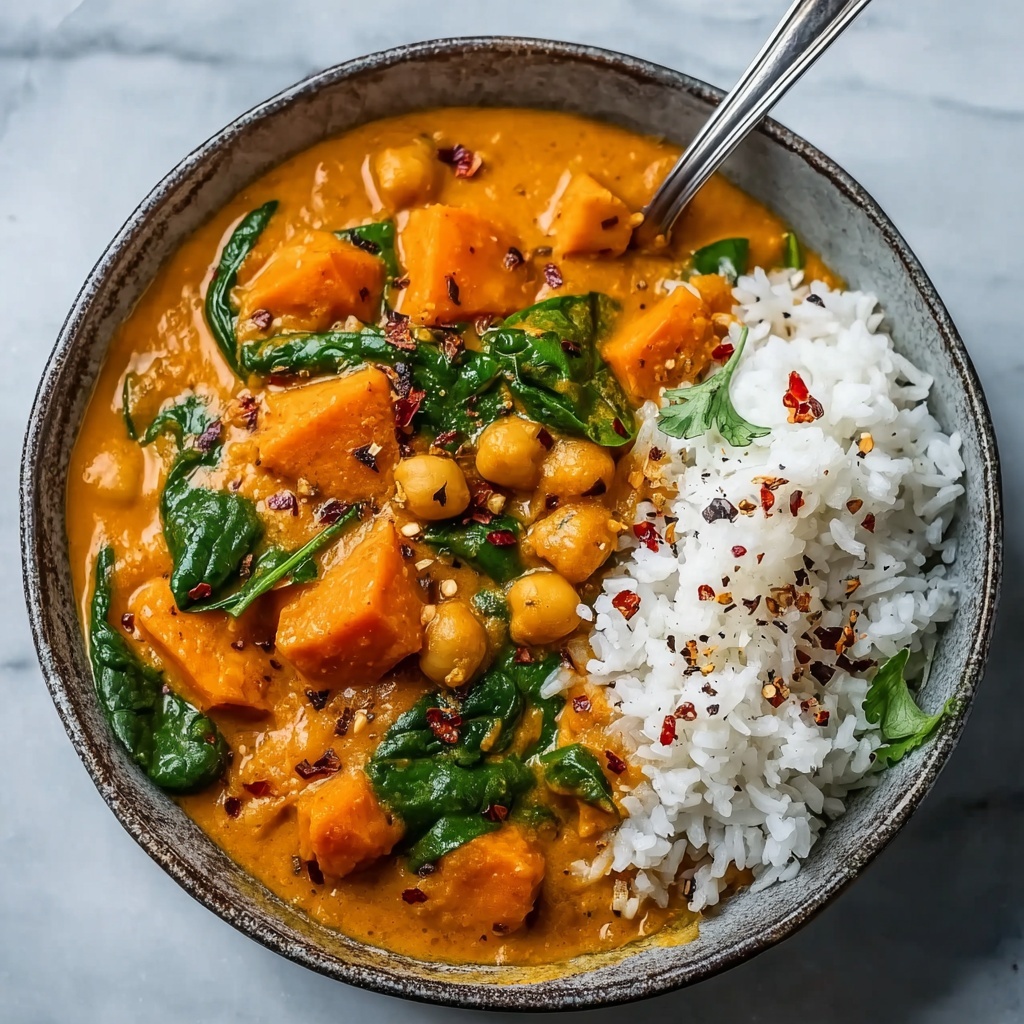
There is something irresistibly comforting about a warm bowl of curry that just feels like a hug in food form. This Sweet Potato and Chickpea Curry Recipe offers that satisfaction with every spoonful. The tender chunks of sweet potato perfectly balance the sturdy chickpeas, while the rich coconut milk creates a luscious, creamy sauce that wraps around the spices beautifully. Each bite is a harmonious blend of soft, hearty textures and aromatic, savory flavors that invite you to savor each mouthful slowly. Whether it’s a chilly evening or a lazy weekend meal, this curry seems to promise that everything will be okay.
Curry dishes like this one trace their roots to the diverse culinary traditions of South Asia, where slow-simmered stews have been a staple for generations. Sweet potatoes and chickpeas are common ingredients in many regional recipes, prized for their filling nature and ability to soak up spices. Over time, this combination has won the hearts of home cooks around the world, symbolizing not only nourishment but also the joys of sharing food made with care. For many, preparing this curry conjures warm memories of family dinners or brings a fragrant hint of faraway lands into the kitchen.
By following this Sweet Potato and Chickpea Curry Recipe, you will learn how to balance spices and textures to make a curry that feels both familiar and special. This version stands apart because it uses simple, accessible ingredients while delivering a rich depth of flavor and a perfectly creamy texture without relying on heavy creams or complicated techniques. You will walk away with a recipe that feels approachable for everyday cooking yet impressive enough to serve to guests.
Why You’ll Love This Sweet Potato and Chickpea Curry Recipe
One of the biggest appeals of this recipe is how straightforward it is to prepare. Most of the steps involve simple sautéing and simmering, so even if you consider yourself a beginner in the kitchen, you can confidently follow along. It’s the kind of meal where the flavors develop as the ingredients simmer together, requiring minimal hands-on time and no hard-to-find components. In just under 40 minutes total, you can transform fresh vegetables and pantry staples into a flavorful dinner.
This Sweet Potato and Chickpea Curry Recipe also makes for a fantastic dish to please a crowd. The flavors are gently spiced but still lively enough to satisfy varied palates. Because chickpeas add protein and sweet potatoes provide a subtle sweetness and rich texture, it’s filling and balanced. Whether you’re cooking for your family or entertaining friends, this dish’s colors and aromas will always bring positive comments to the table, making it a reliable meal choice.
Beyond being an easy weeknight dish or a crowd-pleaser, this curry is incredibly versatile. You can serve it as a standalone meal, pair it with rice or flatbreads, and even make extra to use as a base for wraps or grain bowls the next day. Making this curry at home allows you to customize spices, texture, and ingredient quantities to suit your taste without the need to compromise or depend on takeout options. It turns cooking into a creative and satisfying process that can become a regular part of your meal rotation.
Ingredients You’ll Need
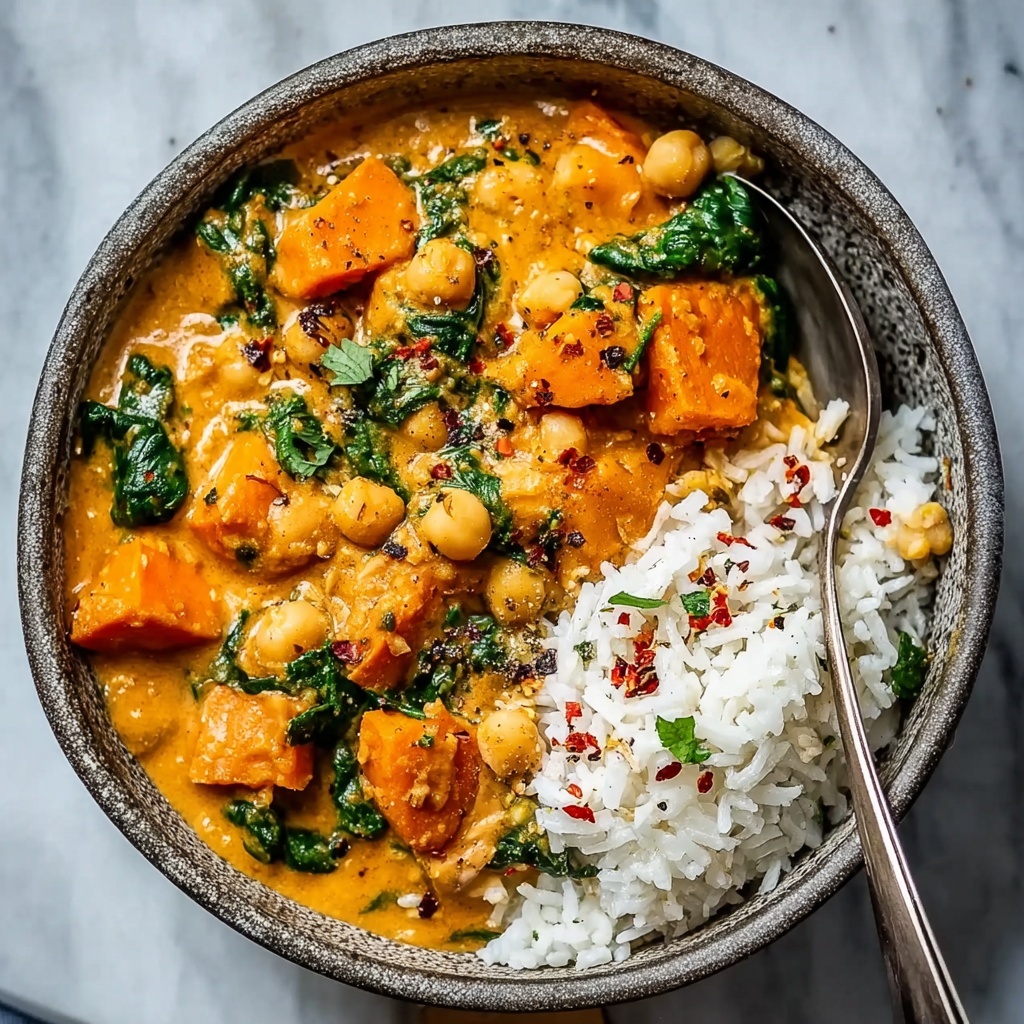
The true heroes of this Sweet Potato and Chickpea Curry Recipe are the sweet potatoes, chickpeas, and coconut milk. The sweet potatoes bring a creamy, tender texture once cooked, and their natural sweetness balances the savory spices beautifully. Chickpeas provide a hearty element with a slight earthiness and protein that makes this curry especially nourishing. Coconut milk adds smooth body to the sauce, providing mild sweetness and richness that ties all the flavors together.
Other ingredients include some pantry staples that you may already have, making this recipe convenient to pull together anytime. Curry powder, turmeric, and cumin create the warm and aromatic flavor profile that defines this curry. If you don’t have fresh ginger or garlic on hand, powdered forms can be substituted, though the fresh ingredients deliver the best fragrance and authenticity. Vegetable oil is ideal for sautéing, but you can switch to olive or coconut oil if preferred. Fresh cilantro as a garnish adds a final bright note, but if unavailable, chopped parsley can also be a fine finishing touch.
- Sweet potatoes: These are the foundation of the dish, providing tender texture and a mild natural sweetness. When shopping, choose firm, smooth-skinned sweet potatoes free of sprouts or soft spots for the best results.
- Chickpeas: Chickpeas add heartiness and protein that perfectly complements the sweet potatoes. If using canned chickpeas, make sure to drain and rinse them well to reduce excess salt and improve texture.
- Onion: Provides a savory base layer with a touch of sweetness when sautéed. Yellow onions are ideal here; they become soft and almost caramelized, enhancing the curry’s complexity.
- Garlic: Adds a pungent, aromatic depth that brightens the curry flavors. Fresh minced garlic is best, but garlic powder can be a substitute in a pinch (use about 1/4 teaspoon per clove).
- Fresh ginger: Brings warmth and a hint of zest that balances the sweetness of the potatoes. Look for firm, unblemished roots and grate it fresh for the best flavor punch.
- Coconut milk: Essential for creating the creamy, luscious sauce that is the hallmark of this curry. Choose full-fat coconut milk for richness, and shake the can well before opening to mix the cream and liquid evenly.
- Curry powder: Combines multiple spices into a complex blend that defines the dish. Check the freshness by smelling it before use; stale curry powder will dull the dish’s flavor.
- Turmeric: Gives the curry its beautiful golden color and a subtle earthy note. Stir it in carefully to avoid clumping and ensure even distribution in the sauce.
- Cumin: Adds an earthy, warm spice that rounds out the curry blend. Whole cumin seeds toasted and ground fresh can enhance flavor but ground cumin works just as well here.
- Salt and pepper: Basic seasonings needed to enhance all other flavors. Adjust to taste at the end to get the perfect balance.
- Vegetable oil: Used for sautéing the aromatics gently without overpowering them. Can be substituted with any neutral oil you prefer, but avoid oils with strong flavors like sesame in this case.
- Fresh cilantro: This herb tops the curry with a bright, fresh note and a pop of color. If cilantro is not to your taste, fresh parsley or a squeeze of lime juice can offer a similar freshness.
How to Make Sweet Potato and Chickpea Curry Recipe
This recipe is a balanced mix of sautéing, toasting spices, and slow simmering that allows the flavors to meld and the textures to develop distinctly. The essential factor for success is building the curry’s flavor in stages—starting with softened onions, then releasing the fragrant oils from spices before adding the main ingredients. The gentle simmering at the end ensures the sweet potatoes soften and soak up the curry’s richness without breaking down completely. Patience and attentive stirring during the process make all the difference to achieve the perfect curry consistency and taste.
Step 1: Sauté the Onion Until Translucent
Begin by heating the vegetable oil in a large pot over medium heat, then add the finely chopped onion. The goal is to gently cook the onion until it becomes translucent, which usually takes about five minutes. This step is crucial because it builds a sweet and savory foundation for the curry. Watch carefully and stir occasionally to prevent any browning, which can alter the final flavor; the onions should soften without turning golden.
Step 2: Add Garlic and Fresh Ginger, Cooking Until Fragrant
Next, stir in the minced garlic and grated fresh ginger, cooking them for about one minute until their aromas are released and fill the kitchen. This brief step infuses the oil with sharp pungency and warmth, deepening the curry’s complexity. Avoid cooking for too long at this stage, as garlic can easily burn and develop a bitter taste, which would overpower the dish. You’ll know you’re at the right point when you smell a fragrant, inviting scent but the garlic still looks moist and pale.
Step 3: Toast the Spices in the Pot
Now it’s time to add the curry powder, turmeric, and cumin straight to the pot. Stir them continuously for about 30 seconds to toast the spices lightly and bring out their essential oils. This short toasting step elevates the flavor of the curry far beyond merely mixing in dried spices. Be sure to keep the heat moderate and avoid burning the spices, as that creates a bitter undertone. The spices should smell warm and earthy before you move on to the next step.
Step 4: Add Sweet Potatoes and Chickpeas, Coating Them in Spices
Carefully add the peeled and cubed sweet potatoes along with the drained chickpeas into the pot. Stir them gently so every piece becomes coated with the spice mixture. This coating helps infuse the vegetables with flavor right from the start and creates a rich base for the sauce. Be mindful during stirring to keep the chunks intact—breaking up the sweet potatoes here can make the curry too mushy rather than nicely textured.
Step 5: Pour in Coconut Milk and Simmer Until Tender
Pour the entire can of coconut milk over the sweet potatoes and chickpeas, then add enough water to just cover the vegetables. Bring the mixture to a boil over medium-high heat before reducing the heat to low. Let it simmer uncovered for 15 to 20 minutes, stirring occasionally, until the sweet potatoes become tender all the way through but not falling apart. This simmering step allows the curry to thicken naturally while the flavors meld beautifully. Check tenderness by piercing the sweet potatoes gently with a fork.
Step 6: Season and Garnish Before Serving
The final step is to season the curry with salt and pepper to taste, giving it a quick stir to distribute the seasoning evenly. Taste carefully and adjust as needed, considering both the saltiness and the pepper’s heat. Just before serving, sprinkle chopped fresh cilantro over the top to add a bright and herbaceous contrast to the rich curry. The garnish not only adds a pop of color but also lifts the whole dish with a fresh note that awakens the palate.
Pro Tips for the Best Sweet Potato and Chickpea Curry Recipe
Tip 1: Use Fresh Spices for Maximum Aroma
Choosing fresh curry powder and other ground spices really impacts the curry’s overall flavor. Old or stale spices lose their volatile oils and can make the dish taste flat. Store spices in airtight containers away from heat and light, and buy smaller quantities more frequently to ensure their potency.
Tip 2: Don’t Rush the Simmering Step
Taking the time to simmer the curry gently for the full 15-20 minutes allows the sweet potatoes to soften perfectly without disintegrating. This slow cooking lets the flavors harmonize and the sauce thicken naturally, giving the curry a nice body. Keep the heat low to prevent scorching and stir a few times during cooking to avoid sticking.
Tip 3: Adjust Spice Levels to Your Preference
The level of heat from the curry powder will vary by brand, so adjust the seasoning gradually. If you prefer a milder curry, start with one tablespoon of curry powder and add more after tasting. On the other hand, for a stronger flavor, you could increase the spices slightly but always balance with the coconut milk to keep the sauce creamy.
Tip 4: Prepare Ingredients Before You Start Cooking
Having all your sweet potatoes peeled, chickpeas drained, and aromatics chopped ahead of time makes the cooking process smoother. It prevents you from rushing and potentially overcooking the onions or spices. Mise en place is a classic chef’s principle that really pays off in achieving a perfectly cooked curry.
Variations and Substitutions
Make It Vegetarian
This Sweet Potato and Chickpea Curry Recipe is naturally vegetarian, but if you want to boost the protein content while keeping it plant-based, consider adding firm tofu cubes or sautéed tempeh. Both absorb the curry flavors well and provide additional texture. You can add them during the last 10 minutes of simmering to warm through without overly breaking down.
Make It Spicy
If you enjoy heat, enhance this curry by adding a finely chopped fresh chili or a pinch of cayenne pepper with the garlic and ginger in step two. Alternatively, a teaspoon of chili powder can be stirred in with the curry powder. Adjust the quantity slowly, tasting as you go, to get your desired spice level without overpowering the other flavors.
Protein Swaps
If chickpeas are not your preference, lentils are a fantastic alternative that cooks relatively quickly and blends beautifully with sweet potatoes. For a non-vegetarian option, cooked shredded chicken or chunks of firm fish like cod added during the simmering stage work well. Another option is adding cooked sausage (choose vegetable-based if you want to avoid pork products), which brings savory richness and a different texture to the dish.
Dietary Modifications
This recipe is naturally gluten-free, but if you want to reduce sodium, use no-salt-added canned chickpeas and low-sodium coconut milk. For a dairy-free approach, standard coconut milk fits the bill perfectly without adjustment. To further decrease fat content, use light coconut milk but be aware it will produce a thinner sauce which may require slightly less water to maintain the ideal consistency.
How to Serve Sweet Potato and Chickpea Curry Recipe
Garnishes
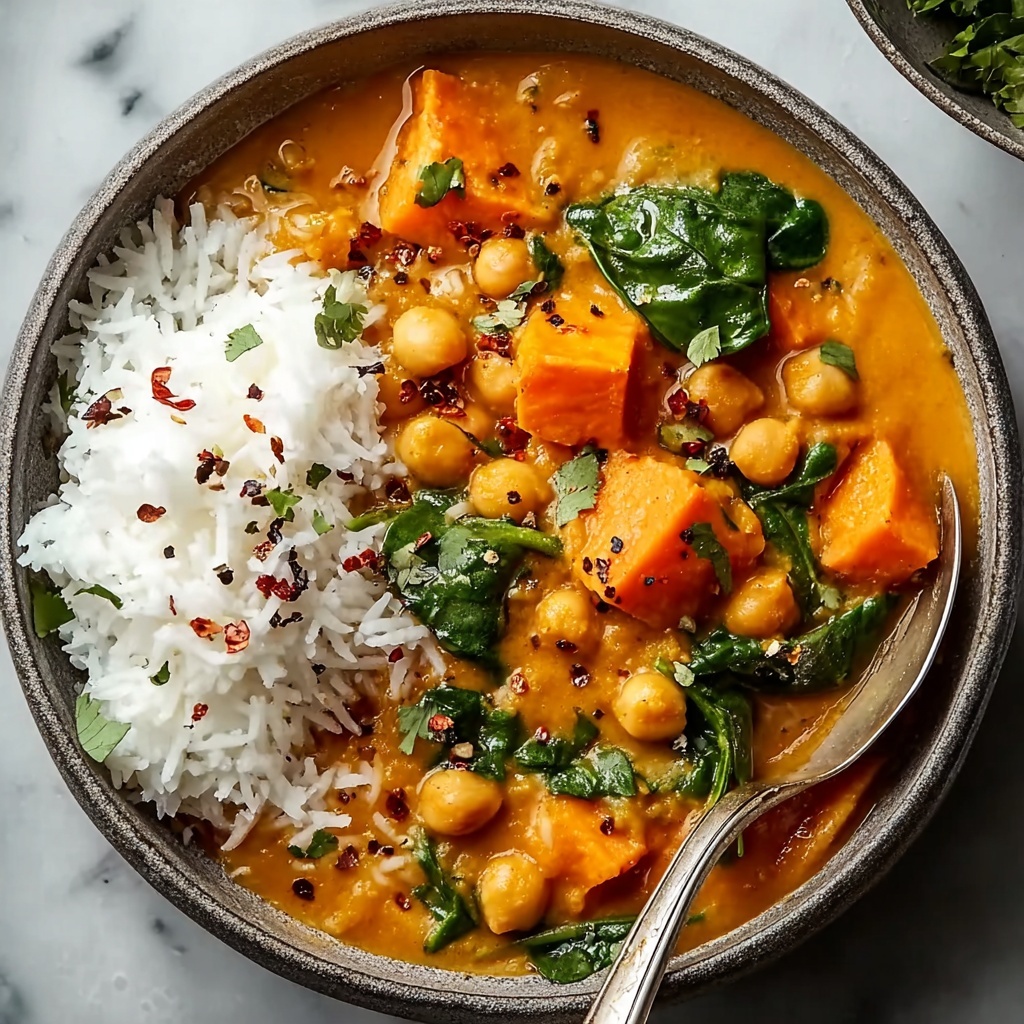
Fresh cilantro is the classic garnish that adds an herbaceous, citrusy lift to the rich curry. Toasted coconut flakes can provide a delicate crunch and reinforce the tropical notes from the coconut milk. A dollop of plain yogurt or dairy-free alternative adds creaminess and a cooling effect that balances the spices effectively.
Side Dishes
This curry pairs beautifully with steamed basmati rice, which soaks up the sauce nicely. Warm naan bread or flatbreads also work well to scoop up the curry, adding a chewy texture contrast. A simple cucumber raita or fresh salad with lemon juice adds brightness and coolness to the meal. Roasted or steamed greens like spinach or kale are excellent for adding extra nutrients and a fresh bitter note that counterbalances the curry’s richness.
Creative Presentation Ideas
For a cozy weeknight dinner, serve this curry in a deep bowl with a generous sprinkle of cilantro and a side of steamed rice for effortless comfort. When hosting a dinner party, you can present the curry in individual ramekins with delicate edible flowers and microgreens on top for an elegant touch. For a potluck or buffet, consider laying out bowls of curry alongside toppings like chopped nuts, fresh herbs, and yogurt, allowing guests to customize their own bowls, keeping the presentation fun and interactive.
Make Ahead and Storage
Storing Leftovers
Leftovers can be stored in an airtight container in the refrigerator for up to four days. Glass or BPA-free plastic containers with tight-fitting lids work best to preserve freshness and flavors. Reheat gently to maintain texture and avoid breaking down the sweet potatoes too much. Adding a splash of water or coconut milk during reheating can help revive the sauce if it thickens too much.
Freezing Instructions
This curry freezes well and can be stored in airtight freezer-safe containers or heavy-duty freezer bags for up to three months. Allow the curry to cool completely before packing to prevent ice crystals from forming. Portion it out in serving sizes for easy thawing later on. Thaw overnight in the refrigerator before reheating slowly on the stovetop, stirring occasionally to reincorporate any separated coconut milk and maintain a smooth texture.
Reheating Methods
For stovetop reheating, place the curry in a saucepan over low to medium heat, stirring frequently and adding a small amount of water or coconut milk if it thickens too much. In the oven, transfer the curry to an oven-safe dish, cover with foil, and warm at around 350°F (175°C) for 15-20 minutes until bubbly and heated through. Microwaving works for quick reheats; cover the dish loosely and heat in 1-2 minute increments, stirring in between to ensure even warmth without drying out the sauce.
FAQs About Sweet Potato and Chickpea Curry Recipe
Can I use canned sweet potatoes instead of fresh?
It is best to use fresh sweet potatoes for this curry, as canned versions tend to be softer and have a different texture that might become mushy during cooking. Fresh sweet potatoes hold their shape better when simmered, providing a pleasing contrast to the chickpeas. If you must use canned, add them at a later stage and heat gently to avoid breakdown.
Is this curry suitable for meal prep?
Yes, this Sweet Potato and Chickpea Curry Recipe is excellent for meal prep because it stores well and flavors deepen over time. Cooking a larger batch in advance can save you time on busy days. Portion it into containers with rice or your chosen sides for easy grab-and-go lunches or dinners throughout the week.
What type of curry powder should I use?
Choose a mild to medium curry powder depending on your taste preference. Look for blends without added salt or sugar to control seasoning. You can also blend your own spices if you want more control over flavor complexity, but pre-made curry powder works fine for convenience.
Can I make this recipe in a slow cooker?
Yes, you can adapt this recipe for a slow cooker by following the initial sauté steps and then transferring everything to the slow cooker. Cook on low for 6-7 hours or on high for 3-4 hours. However, keep an eye on the liquid levels and adjust water or coconut milk as needed to avoid over-thickening or drying out.
Is it necessary to add water along with the coconut milk?
Adding water to just cover the vegetables helps to create enough liquid for simmering without making the curry too thick or cloying. Coconut milk alone can be very rich and dense, so the water balances the consistency and prevents the curry from becoming overly heavy. Adjust the amount slightly depending on your preferred sauce thickness.
How do I make this curry more filling?
Adding extra chickpeas, lentils, or tofu can increase the protein and fiber content, making the curry more substantial. Serving with whole grains like brown rice or quinoa also adds bulk to the meal. Incorporating toasted nuts as a garnish can give an extra textural element and calories if you need a heartier dish.
What can I use if I don’t have coconut milk?
If coconut milk is unavailable, you can substitute with cashew cream or almond milk combined with a tablespoon of coconut oil to mimic the richness. Keep in mind that the curry’s flavor and texture will be slightly different, as the coconut milk adds a distinct sweetness and fatty mouthfeel. To boost creaminess, simmer the curry a little longer if using nut milks.
Final Thoughts
This Sweet Potato and Chickpea Curry Recipe offers such a comforting, flavorful experience that it is easily destined to become a favorite in your cooking repertoire. Its combination of tender vegetables, cozy spices, and rich coconut milk creates a satisfying dish that feels nourishing and soul-soothing. The simplicity of the ingredients pairs perfectly with the depth of the flavors, making it both approachable and rewarding to make. This recipe invites you to enjoy a warm bowl of goodness anytime you need a palate-pleasing meal.
Give this Sweet Potato and Chickpea Curry Recipe a try soon, and don’t hesitate to share your thoughts and adaptations. It’s a recipe that welcomes your personal touch, so feel free to experiment with spices and garnishes. Be sure to come back for more recipes that turn everyday ingredients into memorable dishes you and your loved ones will enjoy time and time again.
Print
- Prep Time: 10 minutes
- Cook Time: 26 minutes
- Total Time: 36 minutes
- Yield: 4 servings
- Category: Main Course
- Method: Stovetop
- Cuisine: Indian
- Diet: Vegan
Description
A hearty and flavorful Sweet Potato and Chickpea Curry that’s easy to prepare and perfect for a comforting weeknight meal. This vegan curry is packed with warm spices, creamy coconut milk, and nutritious ingredients, making it both delicious and wholesome.
Ingredients
Main Ingredients
- 2 large sweet potatoes, peeled and cubed
- 1 can (15 oz) chickpeas, drained and rinsed
- 1 onion, finely chopped
- 3 cloves of garlic, minced
- 1 tbsp fresh ginger, grated
- 1 can (14 oz) coconut milk
- 2 tbsp curry powder
- 1 tsp turmeric
- 1 tsp cumin
- Salt and pepper to taste
- 2 tbsp vegetable oil
- Fresh cilantro for garnish
Instructions
- Prep the aromatics: Heat the vegetable oil in a large pot over medium heat. Add the finely chopped onion and sauté for about 5 minutes until the onion is translucent and soft.
- Add garlic and ginger: Stir in the minced garlic and grated ginger, cooking for an additional 1 minute until fragrant, ensuring not to burn the garlic.
- Toast spices: Mix in the curry powder, turmeric, and cumin. Toast the spices for approximately 30 seconds to release their rich flavors and aromas.
- Add sweet potatoes and chickpeas: Add the cubed sweet potatoes and drained chickpeas to the pot. Stir well to coat them evenly with the toasted spices.
- Simmer the curry: Pour in the can of coconut milk and add enough water to just cover the vegetables. Bring the mixture to a boil, then reduce the heat to a simmer. Let it cook for 15 to 20 minutes until the sweet potatoes are tender and cooked through.
- Season and finish: Season the curry with salt and freshly ground pepper to taste. Stir well and adjust seasoning as needed.
- Garnish and serve: Remove from heat and garnish with fresh cilantro before serving. Enjoy your flavorful sweet potato and chickpea curry!
Notes
- Adjust the water quantity depending on the desired curry thickness.
- For extra heat, add a chopped chili or a pinch of cayenne pepper when toasting spices.
- Serve with steamed rice or warm naan bread for a complete meal.
- This recipe is vegan and gluten-free.
- Leftovers can be refrigerated for up to 3 days and reheated on the stovetop.