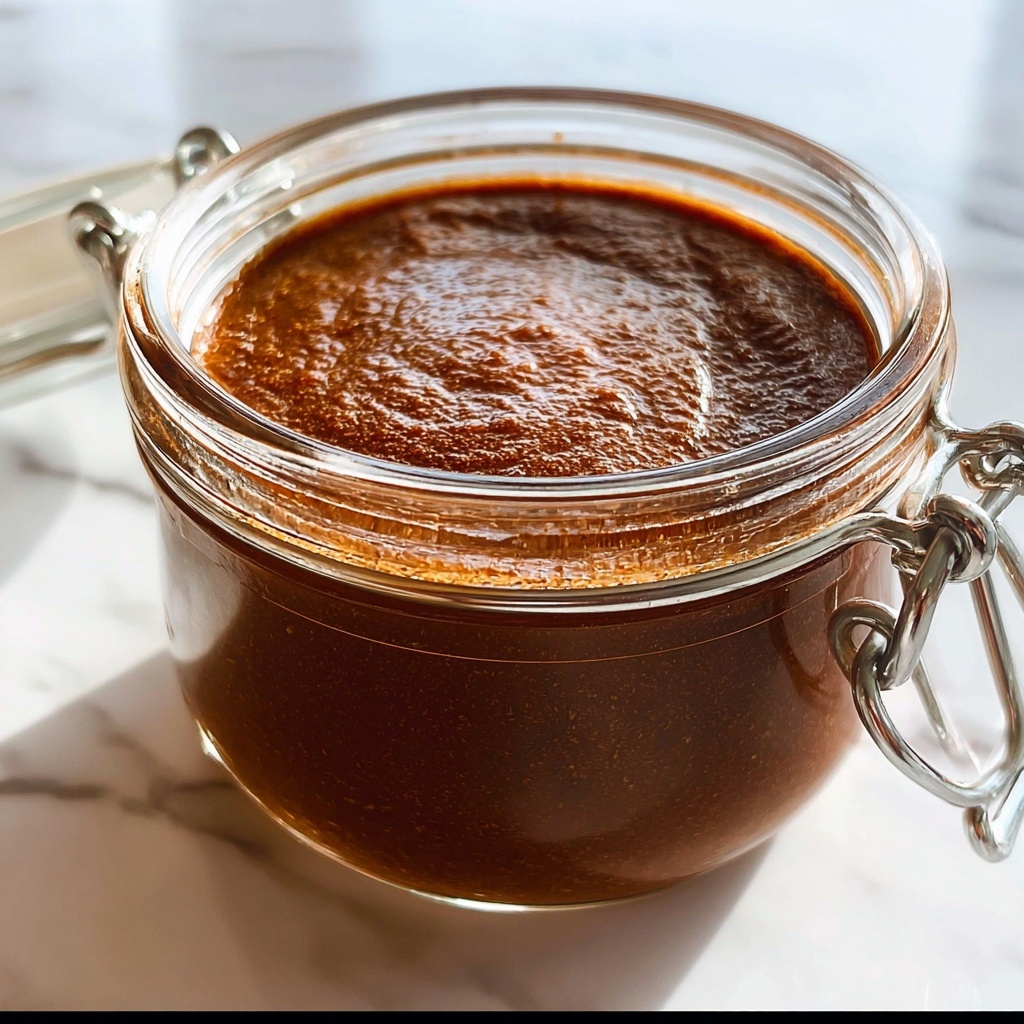
Imagine filling your kitchen with the warm, inviting aroma of a sauce that’s rich, smoky, and perfectly spiced. This Homemade Enchilada Sauce Recipe captures that feeling in a way that turns a simple meal into a comforting, deeply satisfying experience. It’s that luscious sauce coating tender tortillas or smothering chicken or vegetables that will make you want to cook enchiladas every week. The smooth texture combined with layers of flavor creates something familiar yet special enough to share with those you love. You don’t need to wait for a special occasion—once you try this, you’ll want to bring a little taste of celebration to your dinner table tonight.
Enchilada sauce has its roots deeply planted in Mexican cuisine, where it started as a way to bring together humble ingredients with bold seasonings. Traditional recipes vary widely across regions, reflecting local tastes and history. People love enchiladas because they evoke memories of family gatherings, festive celebrations, or simply the joy of sharing a meal packed with heartfelt flavors. The sauce itself often tells a story through its blend of chili powders, herbs, and spices that have been passed down and treasured. It’s not just about spiciness or heat; it’s about a balance of smoky, earthy, and slightly tangy notes that enrich every bite.
By following this Homemade Enchilada Sauce Recipe, you will learn how to create a sauce that keeps that authentic character but is perfectly suited to home kitchens. What makes this version stand out is the straightforward method that ensures every ingredient shines without being overwhelming or complicated. You’ll discover how a handful of carefully selected spices, combined with garlic and tomato sauce, can transform your cooking. Plus, making it from scratch means you control the salt, spice levels, and overall flavor—no hidden preservatives or unnecessary ingredients. This is the kind of sauce that makes everything better and keeps you coming back for more.
Why You’ll Love This Homemade Enchilada Sauce Recipe
One of the best aspects of this Homemade Enchilada Sauce Recipe is how easy it is to prepare. Even if you don’t consider yourself a seasoned cook, the steps are simple and approachable. You sauté a bit of garlic, combine a few pantry staples, and let the sauce simmer for just 10 minutes. In less than 15 minutes from start to finish, you have a sauce that feels luxurious and thoughtfully made without spending hours in the kitchen.
This sauce naturally pleases a crowd because it is so adaptable to different tastes and dishes. Whether you’re using it for traditional chicken enchiladas, a vegetarian version with beans and cheese, or even drizzling over roasted vegetables, it brings everyone to the table. Its flavor avoids overpowering heat, but still offers a warm, smoky depth that keeps guests asking for seconds. Preparing your own sauce means you can tweak it for milder or bolder preferences, which is great for feeding a variety of palates at once.
Another reason this homemade sauce beats ordering it out or using store-bought jars is the fresh, vibrant taste that homemade cooking brings. Pre-made sauces often lack the brightness of fresh ingredients like minced garlic or the nuanced balance of spices you find here. Having this recipe on hand makes it a versatile addition to your weekly meals, whether you’re creating quick weeknight dinners or planning festive gatherings. Making enchilada sauce yourself invites creativity and the joy that only comes with cooking something by hand tailored to your liking.
Ingredients You’ll Need
This recipe’s hero ingredients really hold the key to making a sauce with authentic flavor. The olive oil is the gentle start, just enough to develop the garlic’s aroma without overpowering it. Fresh minced garlic is essential to lend a fragrant base, balancing the earthiness of tomato sauce. The tomato sauce itself gives body and tang, making the sauce rich and satisfying. Chicken broth adds depth and moisture that thicken the sauce while enriching its taste in a way water or plain stock can’t quite replicate. The blend of chili powder, dried oregano, cumin, and onion powder are the warming spices that create the signature enchilada profile, each offering its own note of smokiness, herbiness, and subtle zestiness.
Alongside these, the salt sharpens all the flavors into harmony, and a hint of black pepper adds a mild spice that’s easy to omit or increase based on your preference. Many of these ingredients are pantry staples for people who enjoy cooking Mexican or Southwestern dishes regularly, and they keep well for quick meal prep. If you don’t have chicken broth on hand, vegetable broth makes a great vegetarian substitute without losing depth. Similarly, if olive oil is unavailable, butter or any neutral oil can work without affecting the taste much, keeping your pantry work-friendly and accessible.
- Olive oil: This provides the perfect base for sautéing garlic, helping release its flavor into the sauce. To save calories or add richness, substitute with butter or oil of choice, but avoid high-heat oils that can overpower the garlic’s aroma.
- Garlic: Fresh minced garlic brings a pungent, warm fragrance that is essential for the sauce’s foundation. If fresh garlic is not available, garlic powder can be a backup but will lack the liveliness of fresh cloves.
- Reduced-sodium chicken broth: This adds savory depth without dominating the tomato flavor. For vegetarians, vegetable broth can be swapped in seamlessly, offering a similar rich texture.
- Tomato sauce: The body and color of the sauce come from here, providing a smooth tanginess that balances the spices. Choose a good-quality tomato sauce without added herbs unless you want to customize the flavor further.
- Chili powder: Central to the smoky, slightly spicy taste typical of enchilada sauce. If you prefer a milder sauce, reduce the amount slightly or use a mild chili powder mix.
- Dried oregano: Adds an herbal earthiness that complements the chili’s heat. Mexican oregano is ideal if you have it, but Mediterranean oregano can substitute without much difference.
- Cumin: Offers a warm, nutty flavor with a hint of citrus, vital for the classic enchilada sauce profile. Toasting ground cumin lightly before adding it to the sauce can intensify its aroma if you want a deeper taste.
- Onion powder: A seasoning that rounds out the flavor with subtle sweetness and depth. Fresh onion can be used as well, finely chopped and sautéed with garlic, for a less concentrated but fresher note.
- Sea salt: Enhances all flavors and balances the sauce. Using reduced sodium salt if desired allows better control over the sodium in the recipe.
- Black pepper (optional): Adds a gentle peppery kick that can be omitted if you prefer a smoother sauce, or increased slightly for more spice.
How to Make Homemade Enchilada Sauce Recipe
The beauty of this Homemade Enchilada Sauce Recipe lies in its uncomplicated yet thoughtful cooking process. Each step is designed to build layers of flavor while maintaining the sauce’s smooth and rich consistency. By carefully cooking the garlic first and then gently simmering the combined ingredients, you capture not just the taste but the texture that enchilada sauce is known for. The relatively short cooking time helps the spices soften and marry without losing their brightness or becoming bitter, resulting in a sauce that is fresh-tasting and balanced.
Step 1: Sauté the Garlic
Start by heating 1 teaspoon of olive oil in a medium saucepan over medium heat. Adding 4 cloves of minced garlic to the warm oil allows it to release its natural oils and aroma, which forms a fragrant foundation for the sauce. You want to sauté the garlic for about 1 minute until it becomes fragrant but avoid letting it brown or burn, as this will introduce bitterness. Keep an eye on the heat and stir frequently to ensure even cooking. This step is crucial because it sets the flavor tone for the entire sauce, making it rich and inviting from the first spoonful.
Step 2: Combine the Liquids and Tomato Sauce
Once your garlic has become fragrant, pour in ½ cup of reduced-sodium chicken broth and add 15 ounces of tomato sauce to the pan. Mixing these liquids helps create the base of the sauce, offering both moisture and tang that the spices will build upon. Stir the mixture well to combine the tomato sauce fully with the broth and garlic, ensuring an even consistency. This blending process ensures every spoonful of sauce has a harmonious balance between acidity and savoriness that enchiladas need for depth.
Step 3: Add the Spices
Next, stir in 2 tablespoons chili powder, 2 teaspoons dried oregano, 2 teaspoons cumin, and 1 teaspoon onion powder, along with ½ teaspoon sea salt and ¼ teaspoon black pepper if using. Each of these spices contributes a specific layer of flavor—from smoky warmth to herbal notes, to the subtle earthiness that rounds the sauce. Be sure to stir well to distribute the spices evenly and avoid any clumps. This step brings the defining characteristics of enchilada sauce to life and is where it truly transforms from a simple tomato base into something special.
Step 4: Bring to a Simmer
Turn the heat up slightly to bring the mixture to a gentle simmer. Once it starts bubbling lightly, cover the saucepan and reduce the heat to maintain this simmer. Cooking the sauce gently for 10 minutes with the lid on allows the flavors to meld and the sauce to thicken without evaporating too much liquid. Stir occasionally throughout this process to prevent sticking and to promote even cooking. A common mistake here is letting the sauce boil rapidly, which can cause the sauce to lose some of its nuanced flavor and become too thick too quickly.
Step 5: Adjust the Seasoning
After simmering, taste the sauce carefully and make any necessary adjustments to salt and pepper. Because the flavors develop during cooking, it is best to season towards the end rather than at the start. This step ensures your sauce is perfectly balanced and neither too salty nor bland. Remember, the seasoning can also be fine-tuned to suit your personal taste—sometimes a pinch more salt or pepper can bring out the spices beautifully.
Step 6: Final Texture Check and Serve
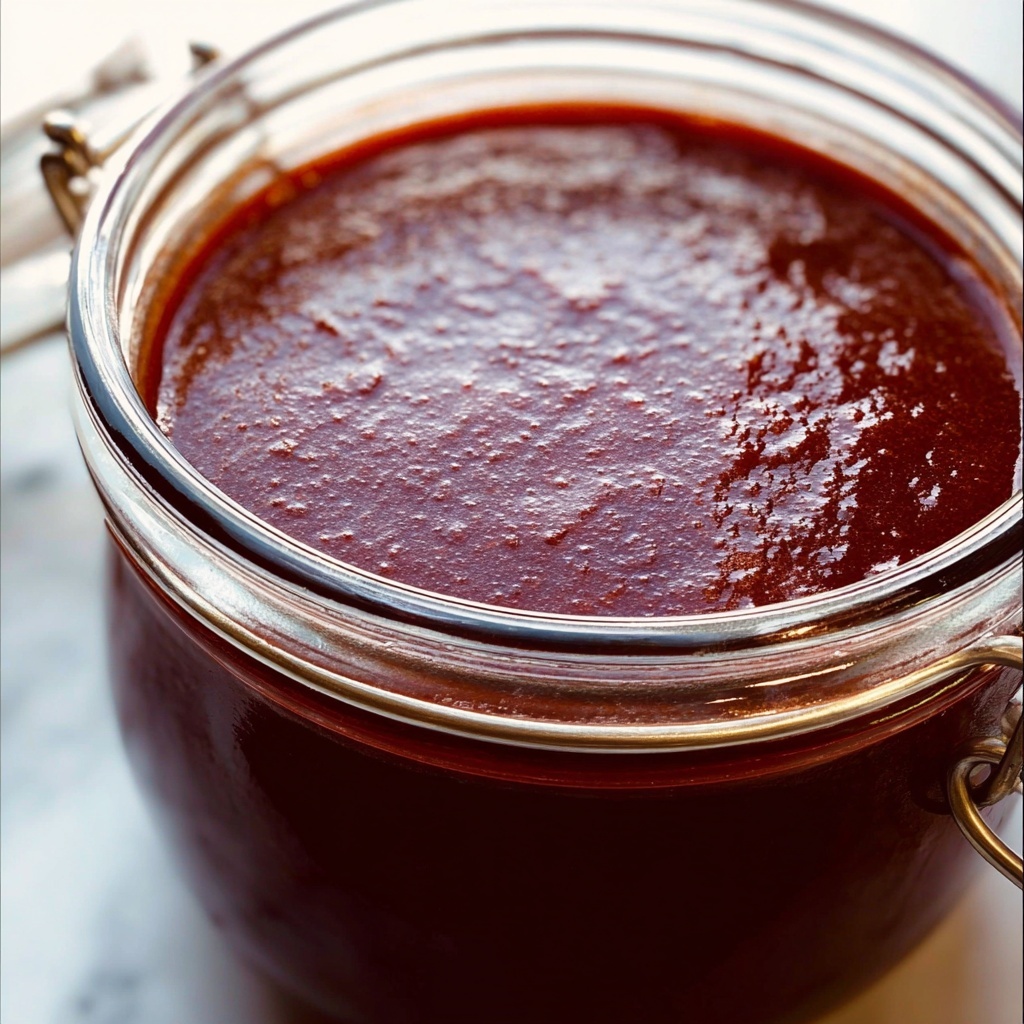
Before serving, check if the sauce’s consistency is to your liking. It should be thick enough to coat enchiladas generously but still pour easily. If it feels too thick, add a splash of broth to loosen it; if too thin, simmer uncovered for another couple of minutes to reduce. This final texture adjustment allows you to tailor your sauce perfectly for whatever dish you are preparing. Whether smothering enchiladas, topping rice, or using as a dipping sauce, the right consistency makes all the difference.
Pro Tips for the Best Homemade Enchilada Sauce Recipe
Tip 1: Use Fresh Garlic for Maximum Flavor
Freshly minced garlic provides an unmistakable aroma and flavor that powdered garlic cannot replicate. Using fresh garlic in the outset allows its oils to infuse the olive oil, forming a vibrant base for the sauce. Avoid substituting with garlic powder if possible, as it lacks the pungency and nuance that fresh garlic offers.
Tip 2: Simmer Gently to Preserve Spices
Maintaining a gentle simmer instead of a rolling boil ensures that the spices don’t lose their subtle characteristics or become bitter. A lower heat allows the flavors to meld and develop harmoniously without any harsh undertones. Stir occasionally to keep the sauce cohesive and prevent burning at the bottom of the pan.
Tip 3: Customize Spice Levels Based on Audience
You can easily adjust the chili powder quantity or omit black pepper to control the heat level. For a milder sauce, use less chili powder or select a mild variety, and for a spicier version, add more or include a pinch of cayenne. Tailoring the spice ensures your Homemade Enchilada Sauce Recipe appeals to all guests, from kids to heat lovers.
Tip 4: Store Extra Sauce for Quick Meals
Homemade enchilada sauce freezes beautifully, making it perfect to prepare in advance. Keep any leftovers in airtight containers or freezer bags to maintain freshness. When you need a fast meal, thaw and heat the sauce, and your dinner comes together effortlessly.
Variations and Substitutions
Make It Vegetarian
To create a vegetarian version, simply substitute chicken broth with an equal amount of vegetable broth. This swap avoids animal products while still preserving the rich flavor depth. You can also enhance the sauce by adding sautéed mushrooms or smoked paprika for an extra layer of umami and smokiness that complements the sauce beautifully, making it satisfying for vegetarians and meat-eaters alike.
Make It Spicy
For those who enjoy a kick, increase the chili powder to 3 tablespoons or add ¼ teaspoon of cayenne pepper during the spice addition stage. Another way to boost heat is to include chopped chipotle peppers in adobo sauce for a smoky intensity. Be cautious when increasing spices and taste frequently to avoid overpowering the sauce, especially if serving to a mixed crowd.
Protein Swaps
This enchilada sauce pairs wonderfully with various proteins beyond the traditional shredded chicken. Try using beef, either ground or shredded, adjusting cook times if you brown ground beef first. Pork shoulder or carnitas works exceptionally well, especially with the sauce’s robust spices. For a lighter option, firm white fish or shrimp can be gently simmered in the sauce near the end of cooking. Each protein offers a unique texture and flavor contrast that makes your enchilada dinner versatile and exciting every time.
Dietary Modifications
Adapting this recipe for dietary needs is straightforward. For gluten-free, ensure all spices and broth are certified gluten-free, which is common but worth double-checking. To reduce sodium, use low-sodium or homemade broth and adjust salt accordingly. For dairy-free meals, this sauce is naturally compatible unless you plan to add cheese in your dish; use non-dairy cheese substitutes or omit cheese for a fully dairy-free option. These simple changes make the sauce accessible to more diets without losing any authenticity.
How to Serve Homemade Enchilada Sauce Recipe
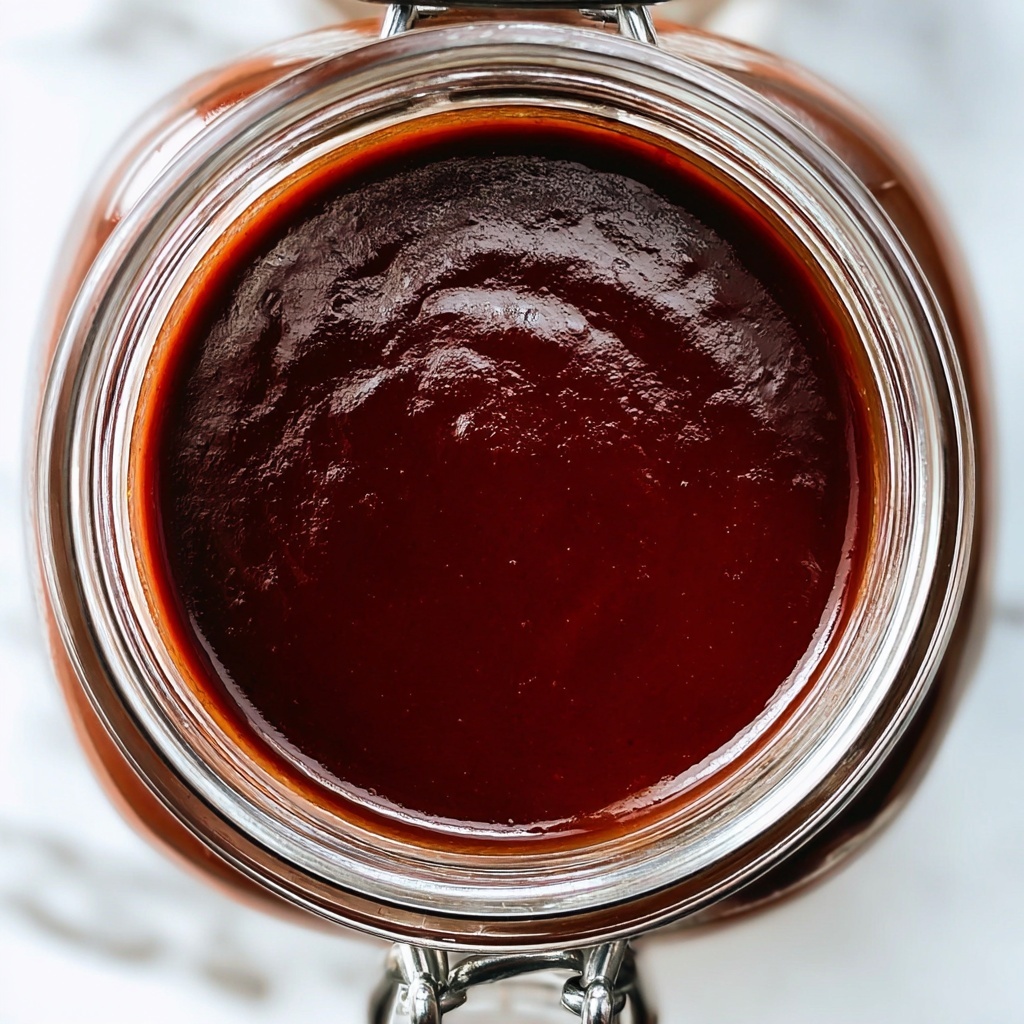
Garnishes
Garnishing your enchiladas is more than just decoration; it adds fresh contrast and textural variety. Chopped fresh cilantro adds a bright, herbal freshness that livens the rich sauce and appeals visually with vibrant green specks. Diced avocados or a smooth avocado cream topping provide cooling creaminess that perfectly balances the warmth of the sauce. Crumbled queso fresco or a sprinkle of shredded sharp cheddar or Monterey Jack introduces a salty, tangy note and creamy melt that elevates every bite.
Side Dishes
This sauce and the accompanying enchiladas pair beautifully with several side dishes. Mexican-style rice complements the sauce’s spices and soaks up any extra, adding hearty substance to the meal. Refried beans or black beans provide protein and fiber while maintaining the traditional flavor palette. A crisp side salad with lime vinaigrette offers refreshing acidity and crunch that cut through the richness. Finally, roasted or grilled vegetables bring smoky undertones that harmonize with the sauce without competing with it.
Creative Presentation Ideas
For weeknight dinners, serve individual enchiladas on simple stoneware plates with a side salad for a no-fuss meal that feels comforting and homey. For dinner parties, consider plating enchilada portions garnished with microgreens and edible flowers to add elegance and color, paired with colorful Mexican street corn off to the side. At potlucks, a large gratin dish layered with sauce, tortillas, cheese, and protein makes an easy-to-serve casserole style presentation that invites shared bowls of guacamole and chips around it. Each presentation suits the occasion and adds to the meal’s enjoyment.
Make Ahead and Storage
Storing Leftovers
Store any leftover enchilada sauce in airtight glass containers or BPA-free plastic containers with tight-fitting lids. This prevents moisture loss and flavor degradation. The sauce will keep well in the refrigerator for up to 4 days. Before storing, ensure the sauce has cooled to room temperature to avoid condensation, which could affect texture and encourage spoilage. When reheating, gentle warming ensures the sauce maintains its smoothness and flavor.
Freezing Instructions
To freeze enchilada sauce, transfer cooled sauce into freezer-safe, airtight containers or heavy-duty freezer bags. Flattening bags helps save space and speeds thawing later. Label with the date and use within 3 months for best flavor. Thaw in the refrigerator overnight or defrost gradually in a bowl of warm water for quicker results. Avoid microwaving frozen sauce directly as it can cause uneven heating and separation.
Reheating Methods
For stovetop reheating, place sauce in a small saucepan over low-medium heat, stirring frequently to prevent burning and ensure even warming. In the oven, heat sauce covered in an oven-safe dish at 325°F (163°C) for about 15 minutes, stirring midway to keep texture smooth. If reheating in the microwave, use medium power and heat in short 30-second bursts, stirring between intervals. This method avoids overheating small areas that can degrade the sauce’s quality. Stirring after every step keeps the sauce creamy and well combined.
FAQs About Homemade Enchilada Sauce Recipe
Can I make this enchilada sauce ahead of time?
Yes, this sauce is perfect for making ahead as it keeps well in the refrigerator for up to 4 days. The flavors actually deepen overnight, so preparing it in advance can enhance the taste in your final dish. Just make sure to store it in an airtight container to maintain freshness and reheat gently when ready to use.
What if I don’t have chili powder on hand?
If you don’t have chili powder, you can create a substitute by combining ground paprika, cumin, garlic powder, and a hint of cayenne pepper. This mix mimics the smoky and mildly spicy qualities of chili powder and allows you to control the heat level. Keep proportions balanced to avoid overpowering the sauce.
Is this sauce suitable for vegetarians?
This sauce is vegetarian-friendly if you use vegetable broth instead of chicken broth. The rest of the ingredients are plant-based, and the depth of flavor comes from the spices and tomato sauce, not meat. Always double-check your broth ingredient list to ensure it contains no animal products.
How spicy is this enchilada sauce?
This sauce has a mild to moderate spice level thanks to the chili powder and optional black pepper, making it accessible for most tastes. If you prefer a milder sauce, reduce the chili powder or omit black pepper. For added heat, increase chili powder or add cayenne pepper incrementally while tasting.
Can I freeze leftover sauce?
You can absolutely freeze leftover sauce for up to 3 months in airtight containers or freezer bags. Freezing preserves the flavor well, and thawing overnight in the fridge keeps the sauce ready for quick reheating. Be sure to stir well after thawing to return it to the perfect consistency.
How long does the sauce need to simmer?
The sauce should be simmered gently, covered, for 10 minutes after combining all the ingredients. This allows the flavors to meld and the sauce to thicken to the ideal consistency. Stir occasionally to prevent sticking and ensure even cooking throughout.
Can I use fresh tomatoes instead of tomato sauce?
While fresh tomatoes can be used, the texture and consistency of the sauce will differ, and you may need to cook the tomatoes longer to reduce excess liquid. Using tomato sauce ensures a smooth base and a consistent flavor that is key to this particular recipe. If using fresh tomatoes, consider blending them thoroughly and simmering until thickened before adding the spices.
Final Thoughts
This Homemade Enchilada Sauce Recipe offers a wonderful way to bring traditional flavors into your kitchen with ease and confidence. The balance of spices and the simplicity of preparation mean you can enjoy authentic-tasting enchiladas without relying on processed or bottled sauces. Making this sauce yourself opens up new possibilities for thoughtful cooking and sharing meals filled with warmth and personality. It’s a recipe that has the potential to become a regular in your meal rotation even beyond enchiladas.
I encourage you to try this Homemade Enchilada Sauce Recipe soon and see how comfortable and rewarding it is to create from scratch. Share your results with friends and family—they will appreciate the care in your cooking. And when you’re ready for more culinary inspiration, come back for even more recipes designed to bring joy and flavor to your table.
Print
- Prep Time: 4 minutes
- Cook Time: 11 minutes
- Total Time: 15 minutes
- Yield: 8 servings
- Category: Sauce
- Method: Stovetop
- Cuisine: Mexican
- Diet: Vegetarian
Description
This easy and flavorful Enchilada Sauce recipe combines garlic, tomato sauce, and a blend of spices to create a rich, homemade sauce perfect for enchiladas and other Mexican dishes. With a quick 15-minute preparation time, it’s a delicious way to elevate your meals using simple ingredients.
Ingredients
Enchilada Sauce
- 1 teaspoon olive oil (or butter, or oil of choice)
- 4 cloves garlic, minced
- ½ cup reduced-sodium chicken broth (or vegetable broth for vegetarian)
- 15 ounces tomato sauce
- 2 tablespoons chili powder
- 2 teaspoons dried oregano
- 2 teaspoons cumin
- 1 teaspoon onion powder
- ½ teaspoon sea salt (or to taste)
- ¼ teaspoon black pepper (optional)
Instructions
- Sauté Garlic: Heat olive oil in a medium saucepan over medium heat. Add the minced garlic and sauté for about 1 minute until fragrant, being careful not to burn the garlic.
- Simmer Sauce: Add the chicken broth, tomato sauce, chili powder, dried oregano, cumin, onion powder, sea salt, and black pepper (if using) to the saucepan. Stir the mixture well to combine all ingredients. Bring the sauce to a simmer, then cover the saucepan and reduce the heat to maintain a gentle simmer. Allow it to cook for 10 minutes, stirring occasionally, until the sauce thickens to your preferred consistency.
- Adjust Seasoning: Taste the sauce and adjust the salt and pepper as needed to suit your preference. Adjusting the seasoning after cooking ensures the flavors are fully developed and balanced.
Notes
- You can substitute olive oil with butter or any oil of your choice.
- Use vegetable broth instead of chicken broth to make the sauce vegetarian.
- The sauce thickens as it simmers; adjust cooking time slightly if you prefer thinner or thicker sauce.
- Store leftovers in an airtight container in the refrigerator for up to 5 days.
- This sauce is perfect for enchiladas but can also be used as a base for other Mexican dishes like burritos or tacos.