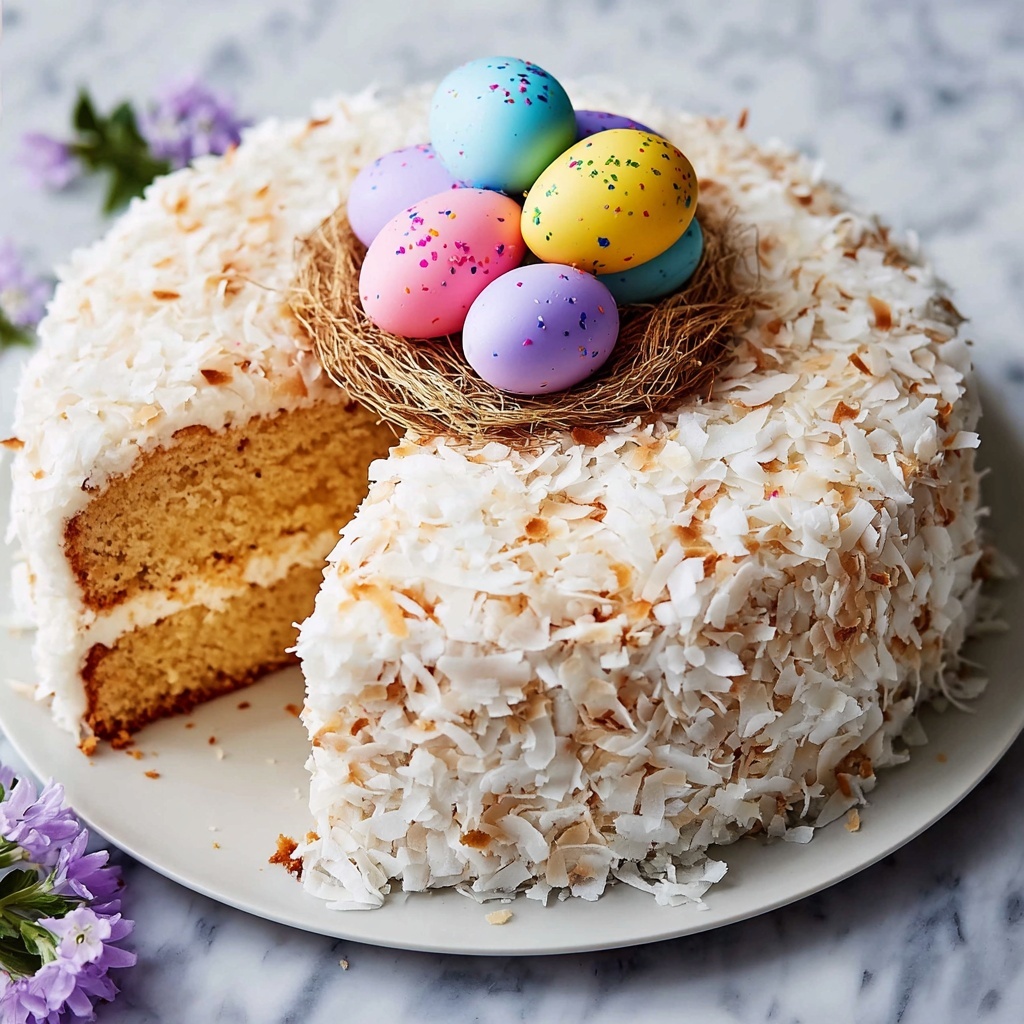
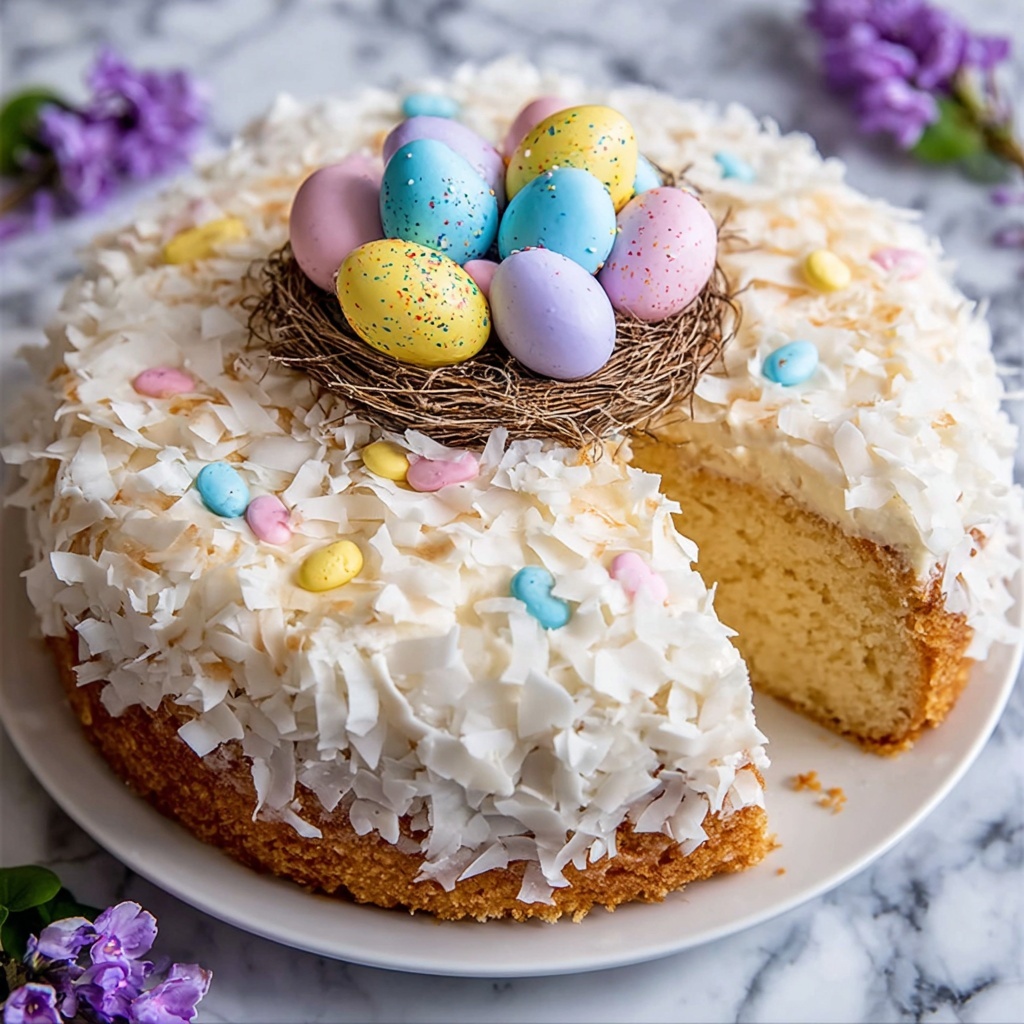
If you’re looking for a show-stopping dessert that bursts with bright flavors and delightful textures, the Easter Coconut Lemon Bundt Cake with Chocolate Eggs Recipe is your new best friend. This cake combines the zesty freshness of lemon with the tropical sweetness of coconut, all nestled in a moist, tender Bundt cake that’s topped with a luscious cream cheese frosting. The final touch of candy-coated chocolate eggs adds a playful, festive vibe that makes it perfect for Easter celebrations or any springtime gathering where you want to impress your loved ones with something truly special.
Ingredients You’ll Need
Gathering fresh, simple ingredients is the key to this cake’s irresistible flavor. Each ingredient plays an essential role—cake flour ensures a tender crumb, lemon adds a bright citrus note, and coconut brings a subtle tropical sweetness. Together, they make the perfect canvas for that creamy frosting and chocolate egg decoration that everyone loves.
- 3 cups (360g) cake flour: Provides a light, delicate structure that’s perfect for Bundt cakes.
- 3 teaspoons baking powder: Helps the cake rise beautifully without any heaviness.
- ½ teaspoon baking soda: Works with the lemon juice to create a tender crumb texture.
- ½ teaspoon salt: Balances sweetness and enhances all the flavors.
- 1 cup (226g) unsalted butter, softened: Adds richness and moisture to the cake.
- 1 ¾ cups (350g) granulated sugar: Sweetens the batter perfectly without overpowering the lemon and coconut.
- 1 heaping tablespoon lemon zest: Delivers fresh citrus flavor in every bite.
- ½ cup (120ml) vegetable oil: Keeps the cake moist and tender.
- 5 large eggs, room temperature: Bind ingredients and add structure while enriching the flavor.
- 2 teaspoons pure vanilla extract: Enhances the overall flavor profile with warm undertones.
- 1 teaspoon coconut extract: Boosts the cake’s tropical notes without overpowering.
- ½ cup (120g) full-fat sour cream or plain yogurt, room temperature: Adds tang and helps keep the crumb moist and tender.
- ⅔ cup (180ml) whole milk, room temperature: Provides necessary moisture for the batter.
- ¼ cup (60ml) fresh lemon juice: Gives that distinctive bright, tangy punch.
- 1 cup (100g) sweetened flaked/shredded coconut: Incorporates chewy bursts of coconut flavor throughout.
- 8 ounces (226g) full-fat brick cream cheese, softened: For a creamy, tangy frosting that complements the cake perfectly.
- ¼ cup (56g) unsalted butter, softened: Adds luscious richness to the frosting.
- 2 cups (240g) confectioners’ sugar: Sweetens and thickens the frosting to the ideal consistency.
- 1-2 tablespoons fresh lemon juice: Gives the frosting a refreshing citrus zing.
- 1 teaspoon pure vanilla extract: Adds a sweet, fragrant depth to the frosting.
- 1 ½ cups (150g) sweetened flaked/shredded coconut: Used for sprinkling on the frosting to add texture and flavor contrast.
- 1-2 cups candy-coated chocolate eggs (e.g., Cadbury Mini Eggs): The festive finish that makes this cake irresistible and visually fun.
How to Make Easter Coconut Lemon Bundt Cake with Chocolate Eggs Recipe
Step 1: Preheat and Prepare
Start by preheating your oven to 350°F (177°C). Grease your 10-12 cup Bundt pan thoroughly to ensure the cake releases easily later. This step sets the foundation for a perfect bake, ensuring even cooking and that picture-perfect release from the pan.
Step 2: Combine Dry Ingredients
In a large bowl, whisk together the cake flour, baking powder, baking soda, and salt. This dry mix guarantees that every bite is evenly leavened and seasoned—essential for that tender crumb.
Step 3: Cream Butter, Sugar, and Lemon Zest
Using a stand mixer or hand mixer, cream the softened butter, granulated sugar, and lemon zest until the mixture looks light and fluffy. This process incorporates air into the batter, lending your cake a wonderfully light texture. Next, add the vegetable oil and beat again. Then, add eggs one at a time, mixing well after each addition. Finish by mixing in sour cream, vanilla extract, and coconut extract to fully blend those fresh and tropical flavors.
Step 4: Add Wet and Dry Ingredients Alternately
In a small bowl, whisk the fresh lemon juice and milk together. Now, alternate adding the dry flour mixture and the lemon-milk mixture to the wet ingredients, starting and ending with the dry. Mix just until combined—over-mixing can make the cake tough. Finally, gently fold in the shredded coconut, which adds delightful texture and flavor throughout.
Step 5: Bake the Cake
Pour the batter into your prepared Bundt pan, smoothing the top if needed. Bake for 55-65 minutes or until the cake is golden brown and a toothpick inserted in the center comes out clean. Let the cake cool in the pan for about 2 hours; this helps the cake set, making it easier to remove without damage. Afterward, invert it carefully onto a serving plate and allow to cool completely.
Step 6: Prepare the Frosting
Beat the softened cream cheese and butter together until silky smooth. Gradually add confectioners’ sugar, followed by lemon juice and vanilla extract, and continue to beat until you have fluffy, creamy frosting. The tang from the lemon perfectly balances the richness of the cream cheese and butter.
Step 7: Frost and Decorate
Spread or pipe the frosting evenly over the cooled cake. Sprinkle the shredded coconut liberally over the top, creating a snowy, tropical look. Finally, fill the center of the Bundt cake with candy-coated chocolate eggs for a festive pop of color and sweet crunch that’s perfect for Easter or any spring celebration.
How to Serve Easter Coconut Lemon Bundt Cake with Chocolate Eggs Recipe
Garnishes
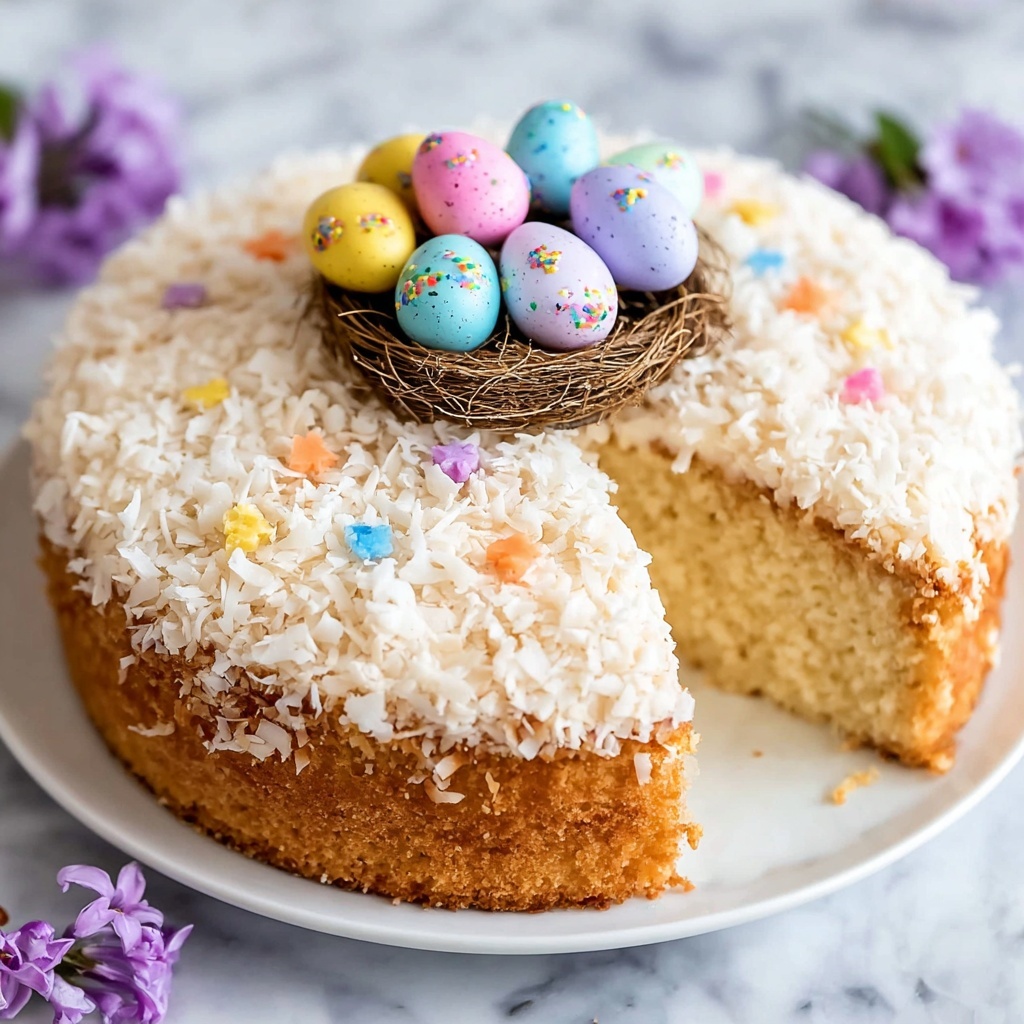
Adding garnishes elevates both the look and flavor of this cake. Fresh lemon zest sprinkled on top of the frosting enhances the lemon aroma, while extra toasted coconut flakes add a crunch contrast. The candy-coated chocolate eggs create a playful and vibrant visual that brings joy to every slice.
Side Dishes
This cake pairs beautifully with a light cup of Earl Grey or chamomile tea. For an indulgent brunch, serve it alongside fresh berries or a dollop of vanilla bean whipped cream. The acidity and freshness of the berries wonderfully complement the rich, creamy texture of the cake.
Creative Ways to Present
Try presenting the cake on a rustic wooden platter surrounded by spring flowers or pastel-colored napkins to highlight the Easter theme. You can also nestle the candy eggs in a decorative ring of edible flowers or small sprigs of fresh mint for an extra special touch that guests will remember.
Make Ahead and Storage
Storing Leftovers
Once frosted, keep any leftover Easter Coconut Lemon Bundt Cake with Chocolate Eggs Recipe covered in the refrigerator to retain freshness. Use an airtight container or cover tightly with plastic wrap to prevent the cake from drying out. Bring it back to room temperature before serving to enjoy the best flavor and texture.
Freezing
You can freeze this Bundt cake without frosting by wrapping it tightly in plastic wrap and then again in aluminum foil. Freeze for up to 3 months. Thaw the cake overnight in the refrigerator before frosting and decorating. This method lets you bake ahead and enjoy this festive dessert whenever you like.
Reheating
To revive that just-baked softness after refrigeration, let the cake sit at room temperature for about 30 minutes before slicing. If needed, gently warm individual slices in the microwave for 10-15 seconds to enhance the moistness and bring out the lemon aroma.
FAQs
Can I use all-purpose flour instead of cake flour?
Yes, but cake flour is preferred because it produces a lighter, softer texture. If you use all-purpose flour, consider removing 2 tablespoons per cup and replacing it with cornstarch to mimic cake flour’s effect.
What if I don’t have coconut extract?
It’s a lovely addition but not mandatory. You can omit it or add a tiny splash of almond extract or extra vanilla to keep the flavor interesting.
Can I make this cake dairy-free?
With some substitutions like coconut yogurt for sour cream and a dairy-free cream cheese alternative, you can make a delicious dairy-free version. Just keep in mind that it might slightly alter the flavor and texture.
How long does this cake keep fresh?
When stored properly in the fridge, it stays fresh for about 4-5 days. Beyond that, the texture and flavor might begin to decline.
Can I use other types of chocolate candies?
Absolutely! Feel free to switch the candy-coated chocolate eggs for mini chocolate chips, chopped chocolate bars, or even pastel M&M’s for a fun twist that suits your taste.
Final Thoughts
This Easter Coconut Lemon Bundt Cake with Chocolate Eggs Recipe truly shines as a centerpiece dessert that’s bursting with flavor, texture, and festive spirit. It’s one of those recipes you’ll be eager to make again and again, whether for holiday gatherings or simply to brighten up any weekend. Give it a try—you might just create a new family favorite that everyone asks for year after year.
Print
Easter Coconut Lemon Bundt Cake with Chocolate Eggs Recipe
- Prep Time: 30 minutes
- Cook Time: 1 hour 5 minutes
- Total Time: 4 hours (including cooling time)
- Yield: 12 servings
- Category: Dessert
- Method: Baking
- Cuisine: American
Description
This Easter Cake is a delightful, moist lemon and coconut Bundt cake, perfect for spring celebrations. It features a tender crumb enhanced with lemon zest and juice, shredded coconut, and a luscious cream cheese frosting. The cake is beautifully decorated with extra coconut and festive candy-coated chocolate eggs, making it an eye-catching centerpiece for your holiday table.
Ingredients
Dry Ingredients
- 3 cups (360g) cake flour (spooned & leveled)
- 3 teaspoons baking powder
- ½ teaspoon baking soda
- ½ teaspoon salt
Wet Ingredients
- 1 cup (226g) unsalted butter, softened
- 1 ¾ cups (350g) granulated sugar
- 1 heaping tablespoon lemon zest
- ½ cup (120ml) vegetable oil
- 5 large eggs, room temperature
- 2 teaspoons pure vanilla extract
- 1 teaspoon coconut extract
- ½ cup (120g) full-fat sour cream or plain yogurt, room temperature
- ⅔ cup (180ml) whole milk, room temperature
- ¼ cup (60ml) fresh lemon juice
- 1 cup (100g) sweetened flaked/shredded coconut
Frosting Ingredients
- 8 ounces (226g) full-fat brick cream cheese, softened
- ¼ cup (56g) unsalted butter, softened
- 2 cups (240g) confectioners’ sugar
- 1–2 tablespoons fresh lemon juice
- 1 teaspoon pure vanilla extract
- 1 ½ cups (150g) sweetened flaked/shredded coconut (for decoration)
- 1–2 cups candy-coated chocolate eggs (e.g., Cadbury Mini Eggs, for decoration)
Instructions
- Preheat & Prep: Preheat your oven to 350°F (177°C). Grease a 10-12 cup Bundt pan thoroughly to ensure the cake releases easily after baking.
- Mix Dry Ingredients: In a medium bowl, whisk together the cake flour, baking powder, baking soda, and salt until well combined.
- Cream Butter & Sugars: In a large mixing bowl, cream the softened unsalted butter with granulated sugar and lemon zest using an electric mixer until the mixture is light and creamy. Then add the vegetable oil and mix until incorporated. Beat in eggs one at a time, ensuring each is fully blended before adding the next. Next, mix in the sour cream, vanilla extract, and coconut extract until smooth.
- Combine Wet & Dry Ingredients: In a separate small bowl, whisk together the fresh lemon juice and whole milk. Then, alternately add portions of the dry ingredients and the lemon-milk mixture to the wet ingredients, mixing gently after each addition until just combined. Be careful not to overmix. Finally, fold in the shredded coconut for added texture and flavor.
- Bake the Cake: Pour the batter evenly into the prepared Bundt pan. Bake for 55-65 minutes until the cake is golden brown and a toothpick inserted into the center comes out clean. Allow the cake to cool in the pan for 2 hours to set, then carefully invert onto a serving plate and let cool completely.
- Prepare the Frosting: Using a mixer, beat the softened cream cheese and butter together until smooth and creamy. Gradually add the confectioners’ sugar, fresh lemon juice, and vanilla extract, and continue beating until the frosting is light and fluffy.
- Frost and Decorate: Spread the cream cheese frosting evenly over the cooled cake. Sprinkle the top with the additional shredded coconut, then fill the center of the Bundt cake with candy-coated chocolate eggs for a festive touch.
- Serve or Store: Serve the cake immediately for best texture and flavor, or refrigerate. If refrigerated, allow the cake to sit at room temperature for about 30 minutes before serving to ensure the frosting softens.
Notes
- Ensure all dairy ingredients are at room temperature to achieve a smooth batter and frosting.
- Do not overmix the batter to keep the cake tender and light.
- If you don’t have a Bundt pan, you can use a similarly sized tube pan or two loaf pans, adjusting baking time accordingly.
- The candy-coated chocolate eggs can be substituted with any small festive candies of your choice.
- Store leftovers refrigerated, tightly wrapped, to maintain freshness for up to 3 days.