
There is something irresistibly charming about a batch of coconut biscuits fresh from the oven. Their gently crisp exterior gives way to a chewy, tender middle that feels comforting with every bite. The subtle sweetness of coconut paired with just the right amount of sugar creates a balanced flavor that is neither too rich nor too plain. These little biscuits are perfect for a quiet afternoon tea, an after-dinner nibble, or simply whenever a gentle, wholesome treat is called for. If you are searching for a simple yet satisfying bake that speaks to both the heart and appetite, this Coconut Biscuits Recipe will quickly become your new favorite.
Coconut biscuits have a lovely place in many kitchens around the world, celebrated for their humble ingredients and ease of assembly. Often found in seaside towns or tropical households, these biscuits evoke a sense of nostalgia and sunshine. They remind many of warm family gatherings, breakfast nibbles alongside a strong cup of coffee, or picnic baskets packed with sweet morsels. Their long-standing appeal is supported by the fact that coconut itself has been a treasured ingredient in cooking for centuries—a symbol of sweetness and texture that is both unique and familiar.
This particular Coconut Biscuits Recipe is a straightforward, fuss-free approach that shines in both flavor and technique. Unlike versions that call for complicated steps or exotic additions, this one focuses on mastering the basics. The balance of desiccated coconut, caster sugar, and egg creates the perfect dough-like consistency that is easy to work with and yields consistent results. Whether you are a seasoned baker or a kitchen novice, you will find this recipe approachable, rewarding, and simply satisfying. By the end, you will understand the small but important details that make these biscuits stand apart from others you may have tried before.
Why You’ll Love This Coconut Biscuits Recipe
One of the joys of this Coconut Biscuits Recipe is how effortless it is to prepare. The ingredient list is short and familiar, and the process itself takes only around 20 minutes from start to finish, making it perfect for spontaneous baking sessions. There’s no need for complex tools or long waiting times; everything happens quickly enough to indulge your sweet tooth almost immediately. The batter comes together in just a few easy steps, and the baking requires minimal hands-on time, giving you a chance to relax or prepare another part of your meal while they bake.
Another reason this recipe wins hearts is how well it appeals to a crowd. The biscuits are small and shareable, allowing you to serve them at a variety of social occasions, whether it be a family brunch, potluck, or afternoon tea with friends. Because the biscuits are both sweet and subtly textured, they generally please many palates without overwhelming them. They have a kind of classic appeal that crosses generations, making them a great choice for hosting. Everyone can enjoy them alone or paired with hot chocolate, coffee, or a simple glass of milk.
The versatility of these coconut biscuits adds another layer of love to this recipe. They can be served as a standalone snack, crumbled over ice cream, or even used as a base for other creations like sandwich cookies or dessert bars. Baking them at home means you can easily adjust the size, sweetness, or even experiment with add-ins to suit your preferences. Homemade always has the edge over store-bought because you control the ingredients and the freshness. With this recipe in your cooking arsenal, you’ll have an adaptable treat that fits effortlessly into your culinary rhythm.
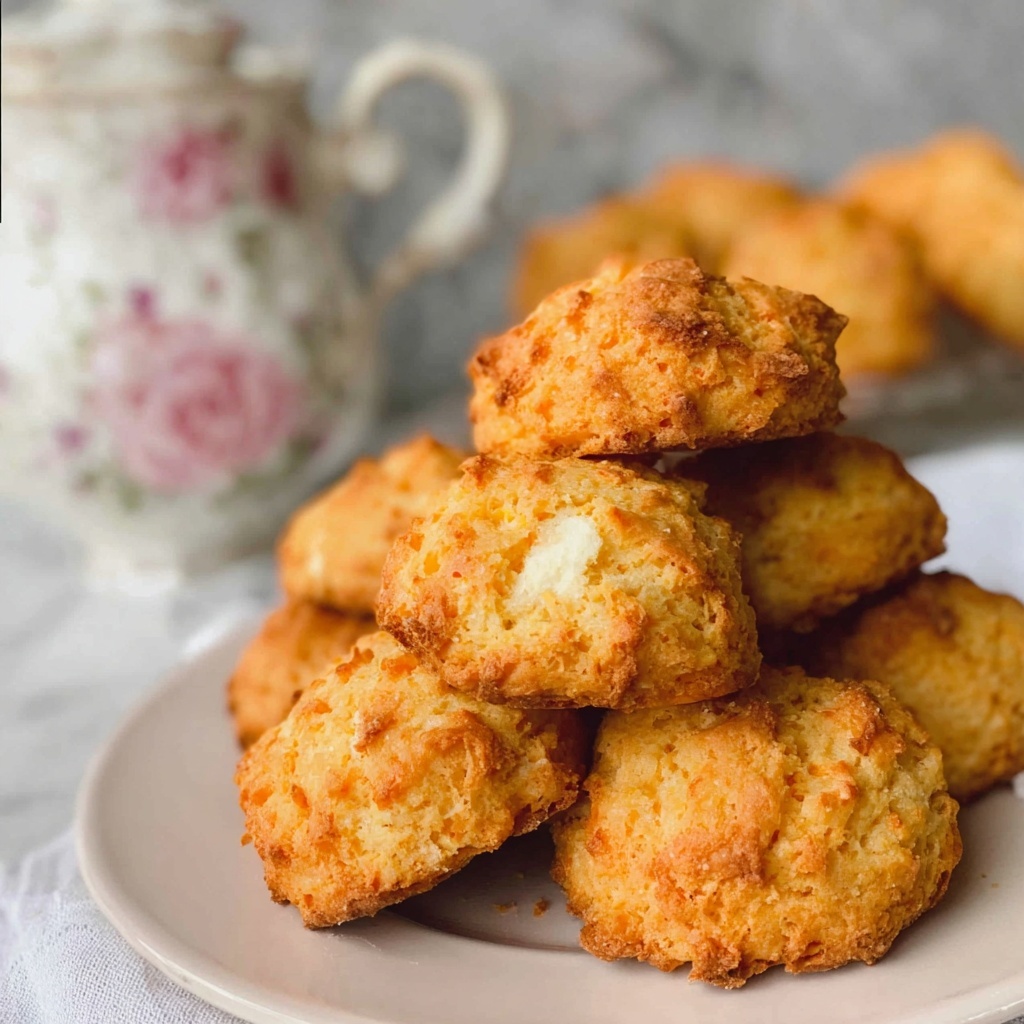
Ingredients You’ll Need
The star ingredients in this Coconut Biscuits Recipe are the desiccated coconut, caster sugar, and eggs. The desiccated coconut provides the texture and characteristic flavor that defines these biscuits; it creates that chewy, tender crumb that feels rewarding in every mouthful. Choosing unsweetened desiccated coconut ensures you get the natural coconut flavor without extra added sugar, giving you perfect control over the sweetness level. The caster sugar, sometimes called superfine sugar, dissolves quickly and evenly, lending a subtle sweetness that complements the coconut without overpowering it. The eggs act as a binder and gentle leavening agent, helping the mixture hold together while still maintaining a soft consistency.
Most of the other ingredients you will need are pantry staples that you likely have on hand, which adds to the recipe’s accessibility. If you do not have caster sugar, you can pulse regular granulated sugar in a food processor to achieve a finer texture but make sure it is not powdered sugar. Instead of using just eggs, some cooks substitute part egg and part condensed milk to tweak moistness, though the original shake of this recipe keeps things simple. Greasing your baking trays well with butter or a non-stick spray is key to prevent sticking but doesn’t require specialty equipment or oils. These small tips and substitutions ensure you can adapt this recipe depending on what you have available.
- Desiccated coconut (125 grams, 1 1/2 cups): This ingredient delivers the primary coconut flavor and fudgy texture setting these biscuits apart from other cookie styles. When buying, look for finely shredded and unsweetened coconut to ensure a fresh taste and good moisture absorption.
- Caster sugar (215 grams, 1 cup): Caster sugar is essential for its fine crystals that integrate smoothly with the coconut, helping to create the ideal chewy biscuit texture. If unavailable, you can briefly grind regular granulated sugar to a finer powder but avoid using powdered sugar.
- Eggs, medium-sized (2, 60 grams each, 100 ml whisked): Eggs bind all ingredients and help develop the dough’s consistency, providing moisture without heaviness. Ensure they are fresh and at room temperature to mix evenly and aid in texture development.
How to Make Coconut Biscuits Recipe
Making these coconut biscuits is a straightforward baking process that requires attention to mixing and shaping, but it’s very forgiving for beginners. The key to success lies in combining the ingredients just right—enough to create a soft dough that can be easily shaped without falling apart. The baking time and temperature are designed to give the biscuits a lightly golden crust with a chewy inside without drying them out. Following each step carefully will ensure the biscuits come out consistently chewy and sweet with the perfect coconut aroma.
Step 1: Preheat the Oven and Prepare Baking Trays
Start by preheating your oven to a moderate 180 degrees Celsius (355 degrees Fahrenheit). This temperature setting creates the ideal environment for the biscuits to bake evenly without burning the coconut or drying out the edges. While the oven warms up, grease your baking trays thoroughly with butter or a non-stick spray to prevent the biscuits from sticking once baked. Taking care in this step is important since stuck biscuits can break when removed and ruin that perfect bite. Do not skip the greasing, even if using a non-stick tray.
Step 2: Combine Coconut and Sugar
In a mixing bowl, place the desiccated coconut and caster sugar together. Whisk them to evenly blend the textures and flavors before adding eggs. This preliminary mixing also helps to break up any lumps in the coconut and distribute the sugar crystals, which will affect the final biscuit texture. Taking the time to do this ensures a more consistent dough later and an even distribution of sweetness in each bite. Avoid rushing this step, as uneven mixing can cause unpleasant sugary pockets or dry coconut bits in the biscuits.
Step 3: Add and Beat the Eggs
Lightly beat the two medium eggs in a separate bowl until combined. Gradually pour the eggs into the coconut and sugar mixture while stirring continuously with a wooden spoon. This allows the eggs to incorporate evenly and bind the dry ingredients into a soft dough-like texture. You should aim for a consistency that holds together but is not overly sticky or runny. A common misstep here is adding eggs too quickly or not mixing thoroughly, which can leave the dough lumpy and difficult to shape.
Step 4: Shape the Dough Into Balls
Once the mixture reaches that soft dough consistency, spoon out approximately one tablespoon portions to form small balls between your palms. The size ensures the biscuits bake evenly and yield a good balance of crunchy exterior and chewy inside. Place each shaped ball with at least 5 centimeters spacing on the prepared trays; this prevents them from sticking together as they bake and allows heat to circulate properly. If your dough does not hold together, a helpful tip is to let it rest for a moment or add a few drops of water to adjust moisture gently.
Step 5: Bake the Biscuits
Transfer the trays to the preheated oven and bake the biscuits for 15 minutes at 180 degrees Celsius (fan-forced if possible). Baking time is crucial—long enough to develop a delicate golden crust on the outside while preserving moistness inside. Keep an eye on their color near the end to avoid browning too much. Opening the oven door frequently or increasing temperature may cause cracking or drying, so resist these temptations and trust the timer.
Step 6: Cool Completely on the Trays
After the baking time, remove the trays from the oven and allow the biscuits to cool completely before handling. Cooling on the trays helps the biscuits firm up and finish setting with the perfect chewy texture. Moving or transferring them while still warm may cause breakage or crumbling. Once cooled, they are ready to enjoy or store away. Patience with this cooling stage rewards you with the ideal consistency and enhanced coconut aroma.
Pro Tips for the Best Coconut Biscuits Recipe
Tip 1: Use Fresh Desiccated Coconut
The freshness of the desiccated coconut dramatically influences the flavor and texture of your biscuits. Fresh coconut will have a pleasant, natural sweetness and provide moisture during baking. Using older or stale coconut often results in a dry biscuit and less pronounced flavor, so always check the expiration date or buy from a store with good turnover.
Tip 2: Don’t Overmix the Dough
While it is important to combine ingredients thoroughly, overmixing the dough can lead to a denser texture or cause the eggs to become tough. Stir gently until all components come together into a cohesive dough and then stop. This keeps the biscuits light but still sturdy enough to hold shape.
Tip 3: Maintain Proper Spacing on the Baking Tray
Giving each biscuit at least 5 centimeters of space on the tray allows heat to circulate evenly and prevents them from sticking together as they expand during baking. Overcrowding the tray often results in irregular shapes and uneven cooking, compromising the final look and texture.
Tip 4: Cool Thoroughly Before Storing or Serving
Allow the biscuits to cool completely on the trays before moving them to a container or plate. Warm biscuits are prone to crumbling or sticking together, negatively affecting their texture. Cooling also intensifies the coconut aroma and enhances overall flavor, making your patience worthwhile.
Variations and Substitutions
Make It Vegetarian
This Coconut Biscuits Recipe is naturally vegetarian as it contains only coconut, sugar, and eggs with no animal meat products. If you prefer to make it vegan, you could substitute the eggs with a flaxseed or chia egg (1 tablespoon of ground flaxseed or chia seeds mixed with 3 tablespoons of water, left to gel for 5 minutes). Keep in mind that this swap might alter the texture slightly, making the biscuits a bit denser but still deliciously coconutty.
Make It Spicy
If you want to add a gentle warmth to the coconut biscuits, consider mixing in a quarter teaspoon of ground cinnamon or a pinch of nutmeg directly into the coconut-sugar mixture before adding eggs. For more pronounced heat, finely grated fresh ginger or a teaspoon of ground cardamom can add an exotic punch. Adjust these spices to taste, especially if baking for children, and begin with smaller quantities to avoid overpowering the delicate coconut flavor.
Protein Swaps
While the original recipe relies on eggs for protein and binding, you could try alternatives such as using aquafaba (the liquid from canned chickpeas) to mimic egg whites, or commercial egg replacers for binding without egg. None of these provide significant protein content themselves, but they maintain the structure. If you want to add protein to the recipe, try folding in finely chopped nuts or seeds (e.g., almonds or pumpkin seeds), which will change the texture and offer an additional crunch but require slight adjustments in baking time because of added moisture.
Dietary Modifications
For gluten-free adaptations, this recipe is already suitable since it contains no flour. To lower sodium, no added salt is necessary here, but always check labels on products like caster sugar to avoid hidden sodium. For dairy-free baking, use a plant-based butter or non-stick spray to grease trays, and if experimenting with vegan egg replacements, those options remain dairy-free. These adjustments keep the recipe accessible to a range of dietary needs without compromising its coconut-centric charm.
How to Serve Coconut Biscuits Recipe

Garnishes
To elevate the presentation or flavor, consider a few simple garnishes like a light dusting of powdered sugar, which creates an elegant snowy effect. You can also drizzle melted dark or white chocolate over the cooled biscuits for added sweetness and visual appeal. Another beautiful option is topping each biscuit with a small piece of toasted coconut or a tiny fresh raspberry to add color and a hint of tartness, breaking up the sugary sweetness.
Side Dishes
Coconut biscuits pair wonderfully with a cup of richly brewed coffee or chai tea, as the spices and bitterness of the drinks balance the sweet, nutty flavors of the biscuits. For an afternoon snack, serve alongside fresh tropical fruit like mango, pineapple, or passion fruit to complement the coconut taste. A light yogurt or creme fraiche dip offers creaminess that contrasts well with the biscuit’s texture. Finally, a scoop of vanilla or coconut-flavored ice cream next to these biscuits makes for a simple yet elegant dessert.
Creative Presentation Ideas
For a cozy weeknight treat, arrange a small rustic platter with the biscuits, a bowl of mixed nuts, and a pot of tea for informal indulgence. For a dinner party, plate the biscuits individually with a small dollop of whipped cream and a sprinkle of finely chopped pistachios or edible flowers to impress guests. At potlucks or casual gatherings, place the biscuits in decorative paper cups or stack them in a mason jar tied with a ribbon, making them easy to share and visually appealing.
Make Ahead and Storage
Storing Leftovers
After the coconut biscuits have cooled completely, store them in an airtight container at room temperature. Glass or plastic containers with tight-fitting lids work best to prevent air from drying them out. They stay fresh for 4 to 5 days, maintaining their chewy texture and sweet aroma. Avoid refrigeration unless your house is very warm, as this can dry the biscuits and affect their taste.
Freezing Instructions
You can freeze coconut biscuits to extend their shelf life up to 2 months. Arrange the cooled biscuits in a single layer on a baking sheet and freeze until firm. Then transfer them to a freezer-safe airtight container or a ziplock bag with as much air removed as possible to prevent freezer burn. When ready to eat, thaw at room temperature for about 30 minutes. Avoid defrosting in the microwave to preserve texture.
Reheating Methods
For stovetop reheating, warm the biscuits gently in a non-stick pan over low heat for 2 to 3 minutes on each side to revive their crisp edges and warm interior. In the oven, place them on a baking sheet and heat at 160 degrees Celsius (320 degrees Fahrenheit) for about 5 minutes. In the microwave, reheat in 15-second bursts on medium power until just warm, but be cautious as microwaving can soften their crispness quickly. Always allow a minute or two to cool slightly before eating to let the texture settle.
FAQs About Coconut Biscuits Recipe
Can I use fresh coconut instead of desiccated coconut?
You can use fresh grated coconut if you prefer, but it will add more moisture to the dough, potentially changing the texture of the biscuits. Fresh coconut is higher in water content, so you might need to reduce the egg slightly or bake for a few extra minutes to compensate. It’s best to experiment and adjust the quantities carefully if substituting fresh for desiccated coconut.
What causes the biscuits to fall apart when baking?
If the mixture is too dry or the dough isn’t binding well, the biscuits may crumble or fall apart during baking. This usually happens if the eggs are under-whisked or not enough egg is added to bind the ingredients together. To fix this, add a little water or an extra beaten egg white to increase moisture and improve cohesion before shaping.
Why are my coconut biscuits tough instead of chewy?
Overmixing the batter or baking them too long can lead to tough rather than chewy biscuits. Mixing develops gluten slightly, and baking beyond the recommended time removes moisture, which results in a firmer texture. Follow the recipe times closely, mix gently, and be sure to cool the biscuits completely on the trays to maintain chewiness.
Can I make the dough ahead of time?
Yes, you can prepare the dough and refrigerate it, covered tightly, for up to 24 hours before baking. Chilling the dough may make it firmer and easier to shape. Allow the dough to come to room temperature for about 10 minutes before scooping and baking to ensure even baking and proper texture.
Is it possible to add chocolate chips to the biscuits?
Adding chocolate chips is a tasty variation but will introduce extra moisture and fat to the dough, possibly affecting the biscuit’s structure. Use small or mini chips sparingly (about 1/4 cup) mixed into the dough. Bake as usual, but watch the oven closely as chocolate may melt and brown quickly on the surface.
Are these biscuits safe for freezing and reheating?
Yes, coconut biscuits freeze well, but it is important to store them properly in airtight containers or freezer bags. When reheated gently, they maintain their flavor and texture. Avoid reheating on high heat or microwaving too long to prevent them from drying out or becoming chewy in an unappealing way.
What kinds of sugar can I use if I do not have caster sugar?
If you don’t have caster sugar, you can use granulated sugar by processing it briefly in a blender or food processor to make it finer. Avoid using powdered sugar as it tends to absorb moisture differently and can affect texture negatively. The finer sugar helps ensure a smooth batter with even sweetness throughout the biscuits.
Final Thoughts
There is a comforting sense of satisfaction that comes with baking a batch of coconut biscuits at home. This recipe’s simplicity and attention to texture create biscuits that feel like a warm hug in edible form. The harmonious blend of coconut and sugar with just eggs to bind makes these treats a beloved snack or dessert option. Their chewy, tender centers and lightly crisp exteriors offer a versatile baking project that will soon become an everyday favorite in your kitchen.
If you decide to try this Coconut Biscuits Recipe, you are guaranteed a rewarding experience and a new staple to turn to whenever you crave something simple yet special. Don’t hesitate to share your baking adventures and tips with fellow home cooks, and revisit our collection for more inspired recipes designed to bring joy and ease to your cooking. Your kitchen awaits the inviting aroma of freshly baked coconut biscuits.
Print
- Prep Time: 5 minutes
- Cook Time: 15 minutes
- Total Time: 20 minutes
- Yield: 18 servings
- Category: Dessert
- Method: Baking
- Cuisine: Australian
- Diet: Vegetarian
Description
Delight in these simple and delicious Coconut Biscuits made with desiccated coconut, caster sugar, and eggs. Perfectly sweet and chewy, these biscuits are quick to prepare and bake, making them an ideal treat for any occasion.
Ingredients
Biscuits
- 125 grams desiccated coconut (unsweetened) (1 1/2 cups)
- 215 grams caster sugar (superfine sugar) (1 cup)
- 2 medium-sized eggs (60 grams each, total 100 ml whisked egg)
Instructions
- Preheat Oven: Preheat your oven to 180 degrees Celsius (355 degrees Fahrenheit), preparing it for baking the biscuits at the right temperature.
- Prepare Baking Trays: Grease your baking trays thoroughly to prevent the coconut biscuits from sticking during baking.
- Mix Dry Ingredients: In a mixing bowl, combine the desiccated coconut and caster sugar. Whisk them together to ensure even distribution.
- Add Eggs and Combine: Lightly beat the eggs, then add them to the coconut and sugar mixture. Use a wooden spoon to mix well until you get a soft, dough-like consistency.
- Shape Biscuits: Using a tablespoon, spoon out the mixture and form small balls. Place the balls onto the greased baking trays, leaving at least 5 centimeters of space between them to allow for spreading.
- Bake Biscuits: Bake in the preheated oven for exactly 15 minutes at 180 degrees Celsius (fan-forced), until golden and set.
- Cool: Remove the trays from the oven and allow the biscuits to cool completely in the trays before serving or storing.
Notes
- If the mixture isn’t holding together, a slight adjustment in egg quantity or mixing can help achieve the soft dough consistency needed.
- Ensure spacing between biscuit balls on the tray to prevent them from sticking together while baking.
- The fan-forced oven setting helps in even baking and browning of the biscuits.
- These biscuits keep well in an airtight container for several days.