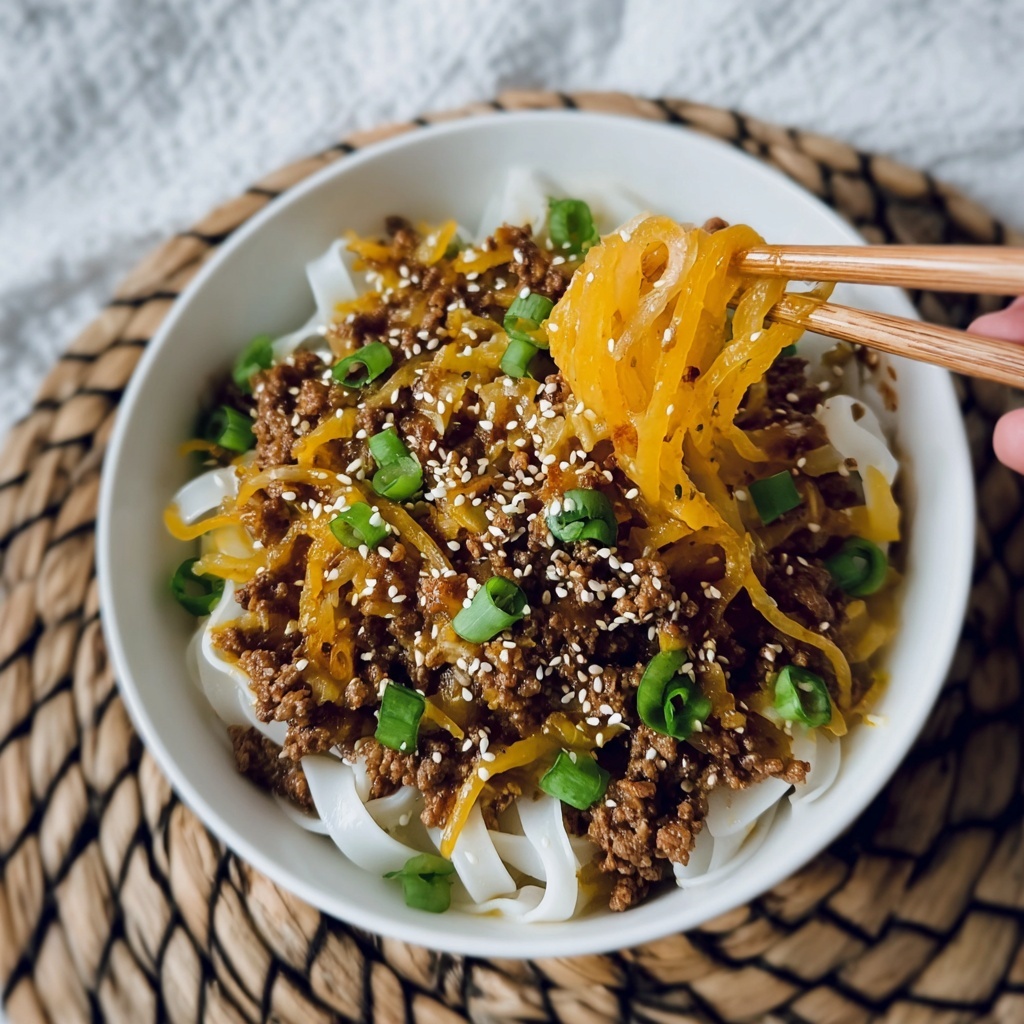
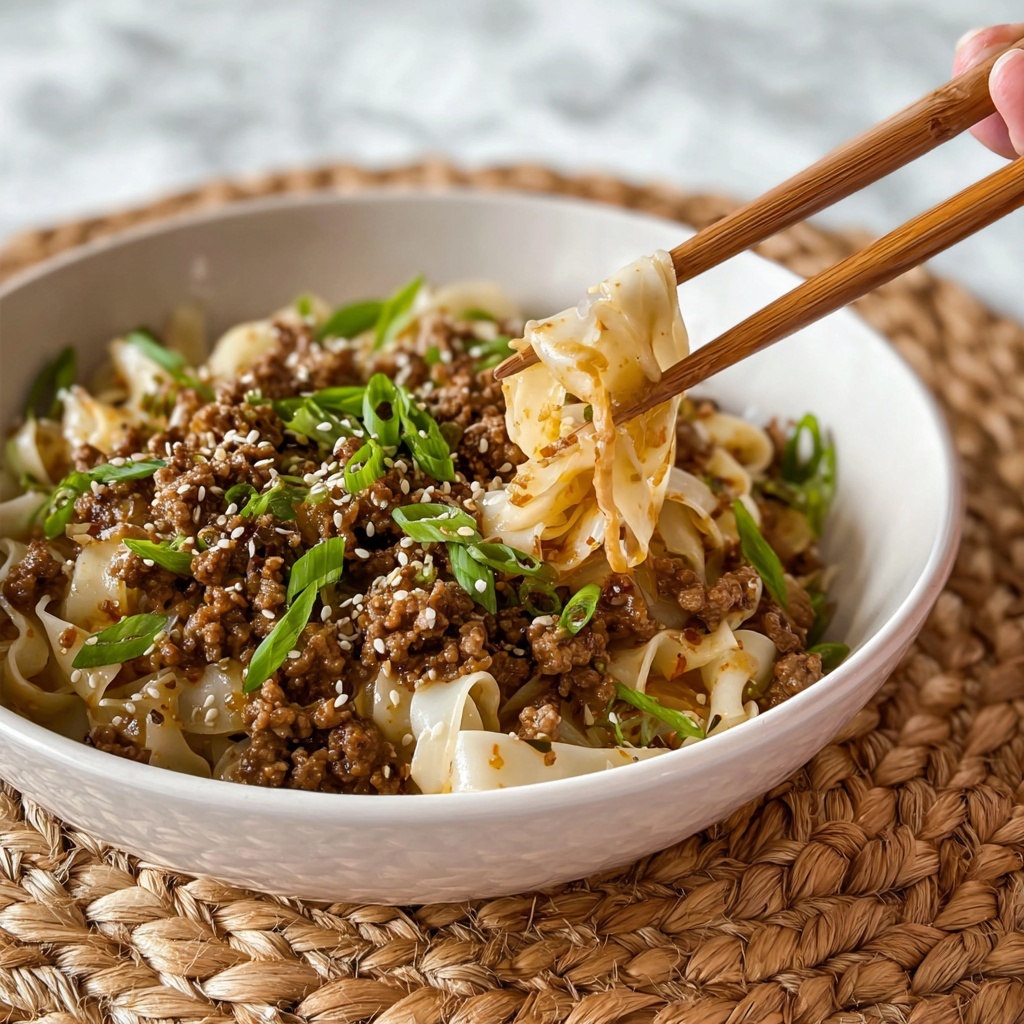
If you are craving a dinner that delivers big on flavor and comfort, the Sticky Hoisin Beef Recipe is an absolute winner. This dish perfectly balances sweet, salty, and tangy notes while offering a satisfying sticky texture that clings deliciously to every bite. With tender minced beef cooked alongside crisp vegetables and enveloped in a luscious hoisin-based glaze, it’s a recipe that comes together quickly yet tastes like you spent hours in the kitchen. Whether you’re cooking for family or friends, this Sticky Hoisin Beef Recipe is sure to become a fast favorite you’ll turn to again and again.
Ingredients You’ll Need
The magic of this Sticky Hoisin Beef Recipe lies in its straightforward, carefully chosen ingredients. Each component plays an essential role—from the flat rice noodles providing a silky base, to the combination of sauces that create the perfect sticky glaze, and the fresh vegetables adding color, crunch, and nutrition.
- 200 g (7 oz) wide flat rice noodles: These noodles offer a smooth, slippery texture that pairs beautifully with sticky sauces.
- 1 tsp sesame oil: Tossed through the noodles to keep them separate and add a subtle nuttiness.
- 1 tbsp extra-virgin olive oil: A neutral cooking oil to sauté garlic and beef, adding richness without overpowering flavors.
- 1 tbsp freshly minced garlic: Essential for building depth of flavor and aromatic warmth.
- 2 spring onions (scallions), finely sliced: We separate the white and green parts to use in different steps for optimal flavor layering.
- 500 g (1 lb 2 oz) minced beef: The star protein in this recipe; you can substitute pork or chicken if preferred.
- 1 carrot, peeled and julienned: Adds a hint of sweetness and a satisfying crunch to contrast the tender beef.
- ½ wombok cabbage, finely shredded: For freshness, color, and a delicate bite.
- ¼ cup (60 ml) hoisin sauce: The heart of the sticky sauce, delivering sweet, savory, and slightly tangy notes.
- 1 tbsp tamari or all-purpose soy sauce: Adds saltiness and depth, balancing the hoisin’s sweetness.
- 1 tbsp dark soy sauce: Contributes rich color and deeper umami flavors.
- 1 tbsp rice wine vinegar: Provides a refreshing acidic kick that brightens the dish; white vinegar or lime juice works as substitutes.
- 1 tbsp brown sugar: Enhances the sticky effect and rounds out the sauce’s flavors with caramel sweetness.
- 1 tsp sesame oil: Added at the end for an extra layer of fragrant, toasty flavor.
- ¼ cup (40 g) crushed roasted peanuts (optional): For crunch and a nutty contrast; crispy shallots make a tasty alternative.
- Lime wedges: Serve alongside to add a fresh, zesty burst that cuts through the richness.
How to Make Sticky Hoisin Beef Recipe
Step 1: Cook the noodles
Start by preparing the wide flat rice noodles according to the packet instructions. Once cooked, drain and rinse them under cold water — this cool rinse stops the noodles from sticking and tightens their texture. Toss the noodles in a teaspoon of sesame oil to keep the strands separate and infuse a subtle nuttiness. Set them aside; these noodles will either be served cold or can be reheated after cooking the beef.
Step 2: Sauté garlic and spring onion whites
Heat the extra-virgin olive oil in a large, heavy-based frying pan over medium to high heat. Add the minced garlic and the white parts of the sliced spring onions. Cook for about 30 seconds until these aromatics soften and release their fragrant oils, laying a flavorful foundation for the beef.
Step 3: Brown the beef mince
Crank up the heat a little and add the minced beef to the pan. Use a wooden spoon or spatula to break the meat into small pieces, letting it cook evenly. Stir and brown the beef for about 5 to 7 minutes until it’s beautifully caramelized but still juicy—a critical step for the right texture and taste.
Step 4: Cook the vegetables
Toss in the julienned carrot and shredded wombok cabbage with the cooked beef. Cook everything together for 2 to 3 minutes until the vegetables soften slightly but still retain some crunch, balancing textural interest with the tender meat.
Step 5: Build the hoisin sauce mixture
Pour in the hoisin sauce, tamari or soy sauce, dark soy sauce, rice wine vinegar, brown sugar, and the second dose of sesame oil. Stir the entire mixture well, letting it cook for a further 2 to 3 minutes. The sauce will thicken and become beautifully sticky, coating the beef and vegetables with rich, flavorful glaze.
Step 6: Assemble the dish
Divide the prepared noodles among four serving bowls. Spoon the sticky hoisin beef mix generously over the noodles. Sprinkle crushed roasted peanuts and the green parts of the spring onions on top. Don’t forget the lime wedges—squeezing fresh lime juice just before eating adds an irresistible brightness that lifts every mouthful.
How to Serve Sticky Hoisin Beef Recipe
Garnishes
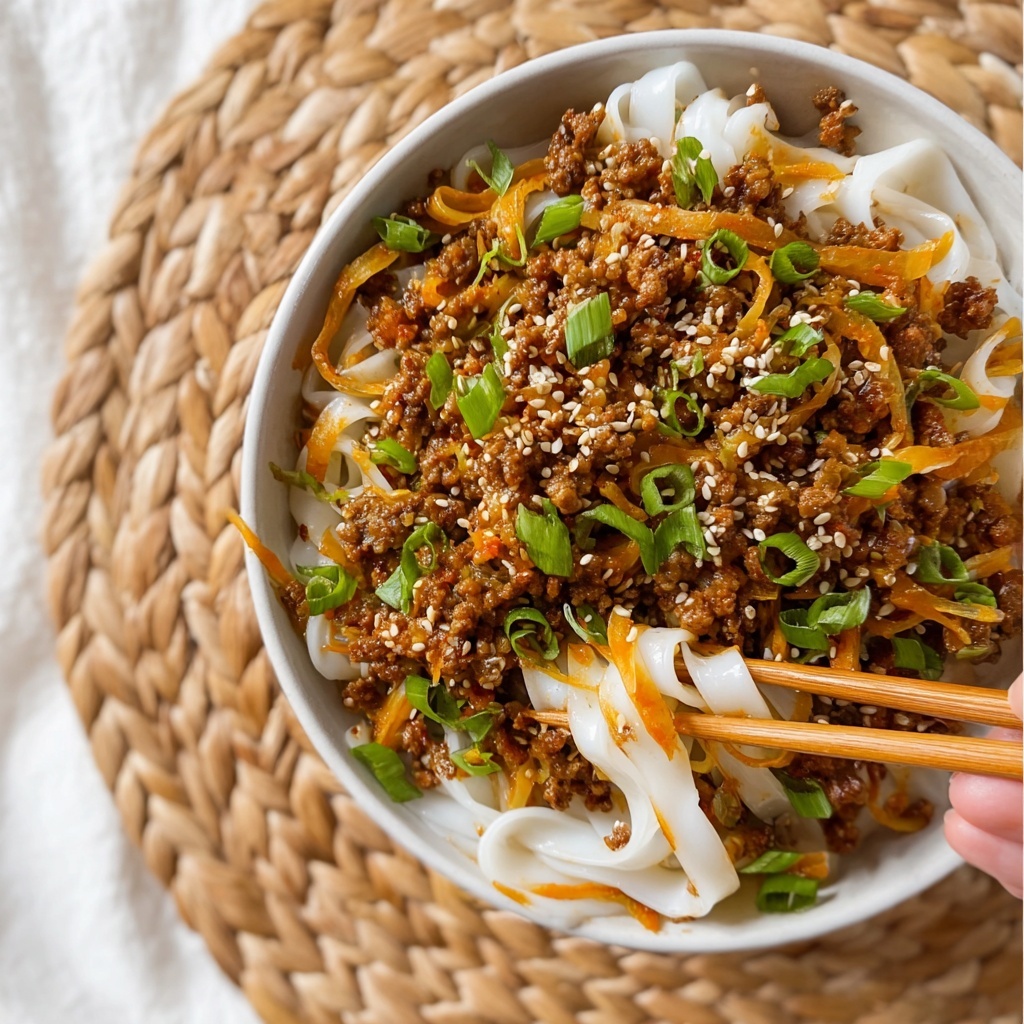
To take your Sticky Hoisin Beef Recipe to the next level, garnishing is a must. Crushed roasted peanuts give a delightful crunch and nutty flavor, while the green parts of spring onions contribute fresh, vibrant color and a mild onion bite. For an extra special touch, you might try crispy fried shallots or a sprinkle of toasted sesame seeds for added texture and aroma.
Side Dishes
This dish shines beautifully on its own, but pairing it with simple sides can make it even more satisfying. Lightly steamed greens like bok choy or broccolini complement the richness. A fresh cucumber salad dressed in rice vinegar and a little chili provides a crisp, cooling contrast. For a heartier meal, serve alongside fried rice or steamed jasmine rice for soaking up every delectable drop of the sticky hoisin sauce.
Creative Ways to Present
Want to impress your guests? Serve your Sticky Hoisin Beef Recipe in individual lettuce cups for a fun, handheld experience. You can also offer an array of toppings and let everyone build their own bowls—think crushed peanuts, chopped fresh herbs like cilantro or mint, chili flakes, and lime wedges. Another idea is to turn it into a noodle salad by mixing the sticky beef with noodles and vegetables all tossed together with extra hoisin sauce, served chilled or at room temperature.
Make Ahead and Storage
Storing Leftovers
Leftover Sticky Hoisin Beef keeps really well in the fridge for up to 3 days. Store it in an airtight container to preserve moisture and flavor. When you’re ready to enjoy, the sticky sauce flavors intensify slightly after resting, making each serving just as delicious.
Freezing
This dish freezes wonderfully, making it perfect for busy nights. Transfer leftovers into a freezer-safe container or bag, removing as much air as possible before sealing. Frozen Sticky Hoisin Beef can be stored for up to 2 months. When defrosting, thaw it overnight in the fridge for best texture and flavor retention.
Reheating
To reheat, simply warm the beef gently in a skillet over medium heat until heated through. If your noodles were cooked beforehand and stored separately, you can heat them briefly in boiling water or a microwave and then serve immediately, combining everything for the perfect, freshly warmed meal.
FAQs
Can I use other meats in this Sticky Hoisin Beef Recipe?
Absolutely! While the recipe calls for minced beef, ground pork or chicken are excellent substitutes that work just as well with the sticky sauce. Adjust cooking times slightly depending on the meat used to ensure it’s fully cooked.
Is hoisin sauce gluten-free?
Most hoisin sauces contain wheat, so if you need a gluten-free option, look for brands specifically labeled gluten-free or substitute with tamari and a touch of honey or plum sauce to mimic the flavor.
Can I make this dish vegetarian?
Yes! Swap the minced beef for minced tofu, tempeh, or even finely chopped mushrooms for a vegetarian version. Adjust cooking steps as needed, and ensure your sauces are vegetarian-friendly.
What if I don’t have wombok cabbage?
No problem—Napa cabbage, savoy cabbage, or even shredded kale can be used as substitutes. They each bring a slightly different texture but will still complement the sticky hoisin beef beautifully.
How spicy is this dish? Can I make it spicier?
The Sticky Hoisin Beef Recipe as written is mild and balanced. To add heat, consider sprinkling in some chili flakes, finely chopped fresh chili, or adding a dash of chili oil either during cooking or just before serving.
Final Thoughts
This Sticky Hoisin Beef Recipe truly hits all the right notes for a quick, flavorful meal that feels special every single time. With its incredible balance of textures and flavors, it’s destined to become one of your favorite go-to dishes for weeknight dinners or casual get-togethers. Trust me, once you try it, you’ll find yourself craving that rich, sticky sauce and those perfectly cooked noodles again and again. So gather your ingredients, roll up your sleeves, and dive into this delightful recipe—you’re in for a treat!
Print
Sticky Hoisin Beef Recipe
- Prep Time: 10 minutes
- Cook Time: 10 minutes
- Total Time: 20 minutes
- Yield: 4 servings
- Category: Main Course
- Method: Frying
- Cuisine: Asian
Description
A quick and flavorful Sticky Hoisin Beef recipe featuring tender minced beef cooked with fragrant garlic, spring onions, and crisp vegetables, tossed with wide flat rice noodles and a sticky hoisin-soy sauce glaze. Perfect for a satisfying weeknight dinner that combines savory, sweet, and tangy flavors with an optional crunchy peanut topping.
Ingredients
Noodles
- 200 g (7 oz) wide flat rice noodles
- 1 tsp sesame oil (to toss through the noodles)
Beef and Vegetables
- 1 tbsp extra-virgin olive oil
- 1 tbsp freshly minced garlic
- 2 spring onions (scallions), finely sliced (white and green parts separated)
- 500 g (1 lb 2 oz) minced (ground) beef (pork or chicken would also work)
- 1 carrot, peeled and julienned or cut into thin batons
- ½ wombok cabbage, finely shredded (roughly 4 cups)
Sauces and Seasoning
- ¼ cup (60 ml) hoisin sauce
- 1 tbsp tamari or all-purpose soy sauce
- 1 tbsp dark soy sauce
- 1 tbsp rice wine vinegar (can be substituted with white vinegar or lime juice)
- 1 tbsp brown sugar
- 1 tsp sesame oil
Toppings and Garnishes
- ¼ cup (40 g) crushed roasted peanuts (optional, can be substituted with crispy shallots)
- Lime wedges
Instructions
- Cook the noodles – Prepare the noodles according to the packet instructions. Once cooked, drain and rinse them under cold water to stop the cooking process and prevent sticking. Toss the noodles with 1 tsp of sesame oil to keep them separated. Set aside. For serving hot noodles, skip rinsing after cooking and prepare noodles after cooking the beef.
- Cook the beef – Heat 1 tbsp of extra-virgin olive oil in a large, deep, heavy-based frying pan over medium–high heat. Add the minced garlic and the white parts of the sliced spring onions, cooking for about 30 seconds until softened and fragrant. Add the minced beef and cook for 5–7 minutes, breaking it up frequently, until browned and cooked through.
- Add the veggies – Incorporate the julienned carrot and shredded wombok cabbage into the pan. Cook for 2–3 minutes until the vegetables soften but still retain some texture.
- Add the sauces and seasonings – Pour in ¼ cup hoisin sauce, 1 tbsp tamari or all-purpose soy sauce, 1 tbsp dark soy sauce, 1 tbsp rice wine vinegar, 1 tbsp brown sugar, and 1 tsp sesame oil. Stir well to combine and cook for another 2–3 minutes until the mixture is sticky, caramelized, and coats the beef and vegetables evenly.
- Assemble and serve – Divide the prepared noodles between four bowls. Spoon the sticky hoisin beef mixture generously on top. Garnish with the green parts of the sliced spring onions and sprinkle with crushed roasted peanuts or crispy shallots if preferred. Serve immediately alongside lime wedges to squeeze over for added brightness.
Notes
- The noodles can be served hot or cold depending on your preference.
- You may substitute the beef with pork or chicken mince for variation.
- If you prefer a spicier kick, add chili flakes or fresh chilis during cooking.
- Crushed peanuts add crunch but can be swapped with crispy shallots or omitted for a nut-free version.
- Use gluten-free tamari to make the dish gluten-free.