
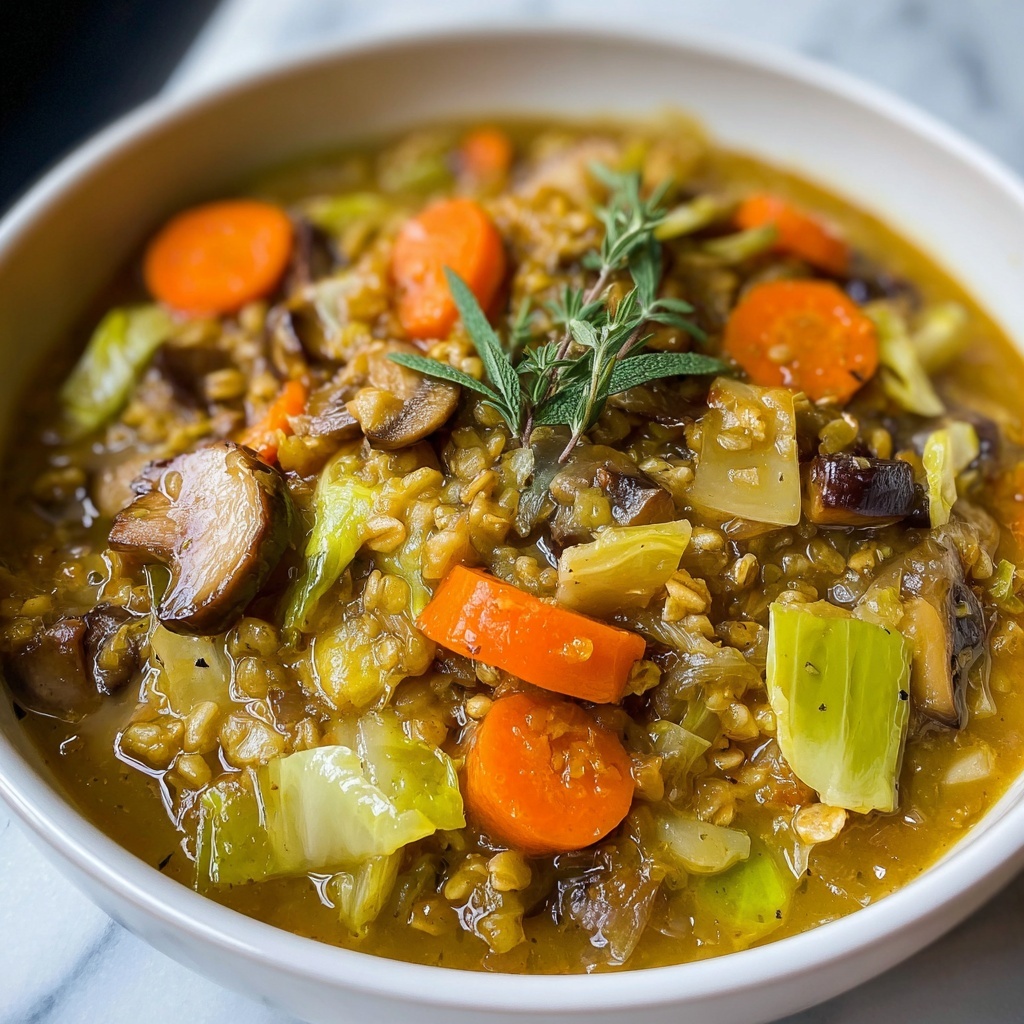
If you’re craving a warm, hearty, and comforting meal that feels like a big, cozy hug in a bowl, the Colonial Vegetable Pottage Recipe is your new best friend. This delightful dish combines a lovely medley of fresh vegetables, fragrant herbs, and creamy oats into a rustic thick soup that speaks to centuries of tradition while nourishing your soul. Perfect for chilly afternoons or anytime you want something both simple and satisfying, this pottage is an absolute must-try for anyone who loves a rich, wholesome vegetable dish with a touch of historical charm.
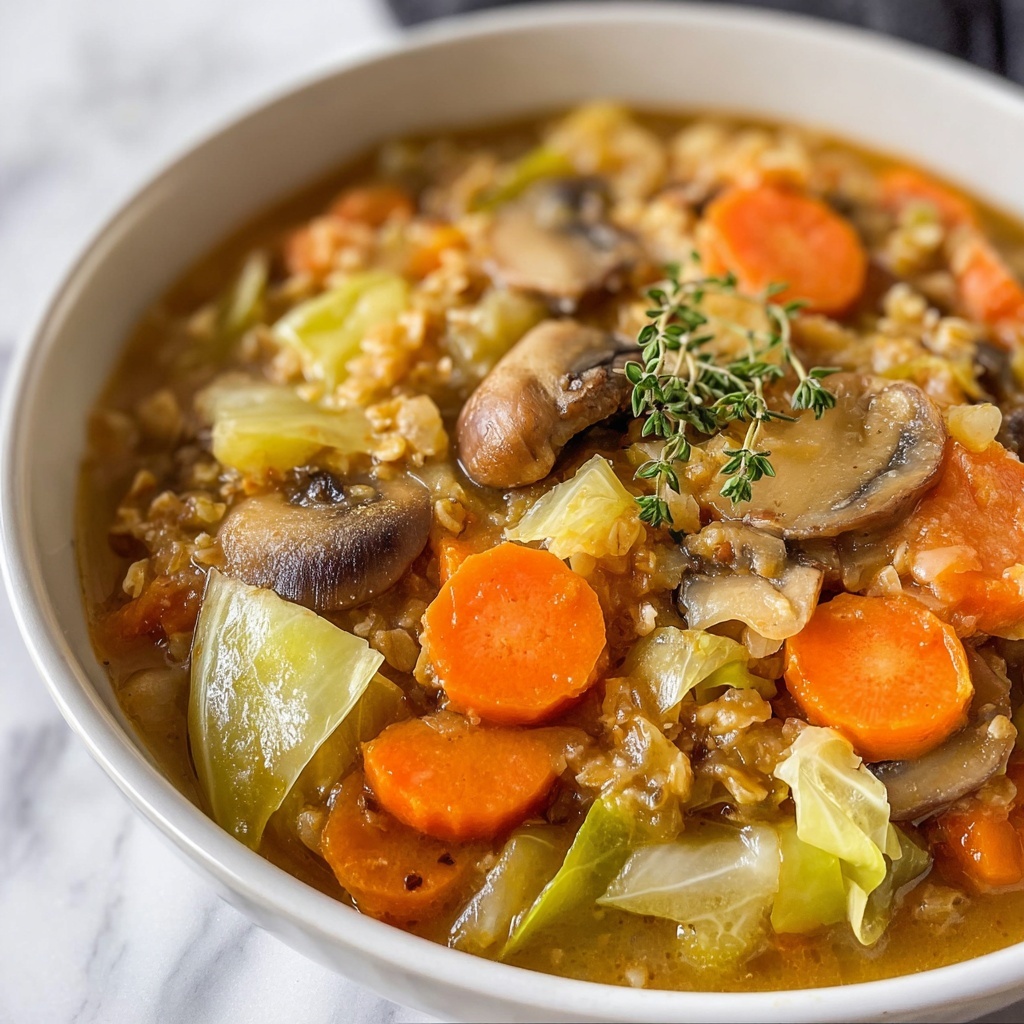
Ingredients You’ll Need
The magic behind this Colonial Vegetable Pottage Recipe lies in its simplicity—the ingredients are straightforward yet crucial to achieving the perfect harmony of flavors, textures, and colors. Every vegetable adds its own unique character, while the herbs infuse the broth with aromatic depth. And those oats? They bring that lovely creamy thickness you’ll adore.
- Carrots: Peeled and diced for natural sweetness and a vibrant orange pop.
- Onion: Diced to mellow and sweeten as it cooks, building the soup’s flavor base.
- Root vegetable (parsnip or turnip): Adds earthiness and a bit of bite to complement the carrots.
- Leek: Provides subtle oniony notes and a tender texture to enrich the mix.
- Cabbage: Roughly chopped for a mild bitterness and a soft bite after simmering.
- Mushrooms (any variety): Give umami depth and a meaty element to the otherwise veggie-forward stew.
- Dried thyme: A classic herb that brings herbal brightness and a hint of woodsy aroma.
- Dried rosemary: Adds a fragrant piney touch that piques the palate.
- Ground sage: Brings a mildly peppery and savory layer of flavor cherished in traditional dishes.
- Vegetable or chicken stock: The flavorful liquid base that ties all the ingredients together with warmth.
- Bay leaf: Steeped in during simmering to gently infuse the broth.
- Rolled oats: Stirred in to thicken the pottage and add a creamy, comforting texture.
- Vinegar (such as apple cider vinegar): Introduces a bright, tangy contrast to balance the soup’s richness.
- Kosher salt and freshly cracked black pepper: Essential for seasoning and bringing forward the natural flavors.
How to Make Colonial Vegetable Pottage Recipe
Step 1: Cook Root Vegetables
Start by combining the diced carrots, onions, and either parsnip or turnip with a quarter cup of stock in a large pot or Dutch oven. Cooking these together over medium heat for about 10 minutes helps soften the vegetables gently, allowing their natural flavors to release and mingle. This step lays the foundation for the dish’s cozy and layered taste.
Step 2: Add Remaining Vegetables and Herbs
Next, toss in the leeks, cabbage, mushrooms, thyme, rosemary, and sage. Stir everything together and cook for an additional 5 minutes. This brief sauté helps meld the aromas of the fresh vegetables and herbs while slightly softening the tougher greens, preparing them for the simmering stage where their flavors really shine.
Step 3: Simmer with Stock
Pour in the remaining stock and drop in the bay leaf, then bring the pot to a lively boil. Once boiling, reduce the heat and let it simmer partially covered for 30 minutes. This slow simmer allows the vegetables to tenderize and the herbs to infuse the broth with a wonderful, rich flavor that’s essential to this Colonial Vegetable Pottage Recipe.
Step 4: Add Oats
Stir in the rolled oats and continue simmering uncovered for another 20 minutes. The oats absorb the broth, softening into a creamy texture that thickens the soup beautifully, making it heartier and more comforting without any heavy creams or thickeners.
Step 5: Season and Serve
Remove the bay leaf, stir in a splash of vinegar for brightness, then season generously with kosher salt and freshly cracked black pepper to taste. Serve the pottage hot and enjoy each spoonful of this delicious, rustic, and soul-warming dish.
How to Serve Colonial Vegetable Pottage Recipe
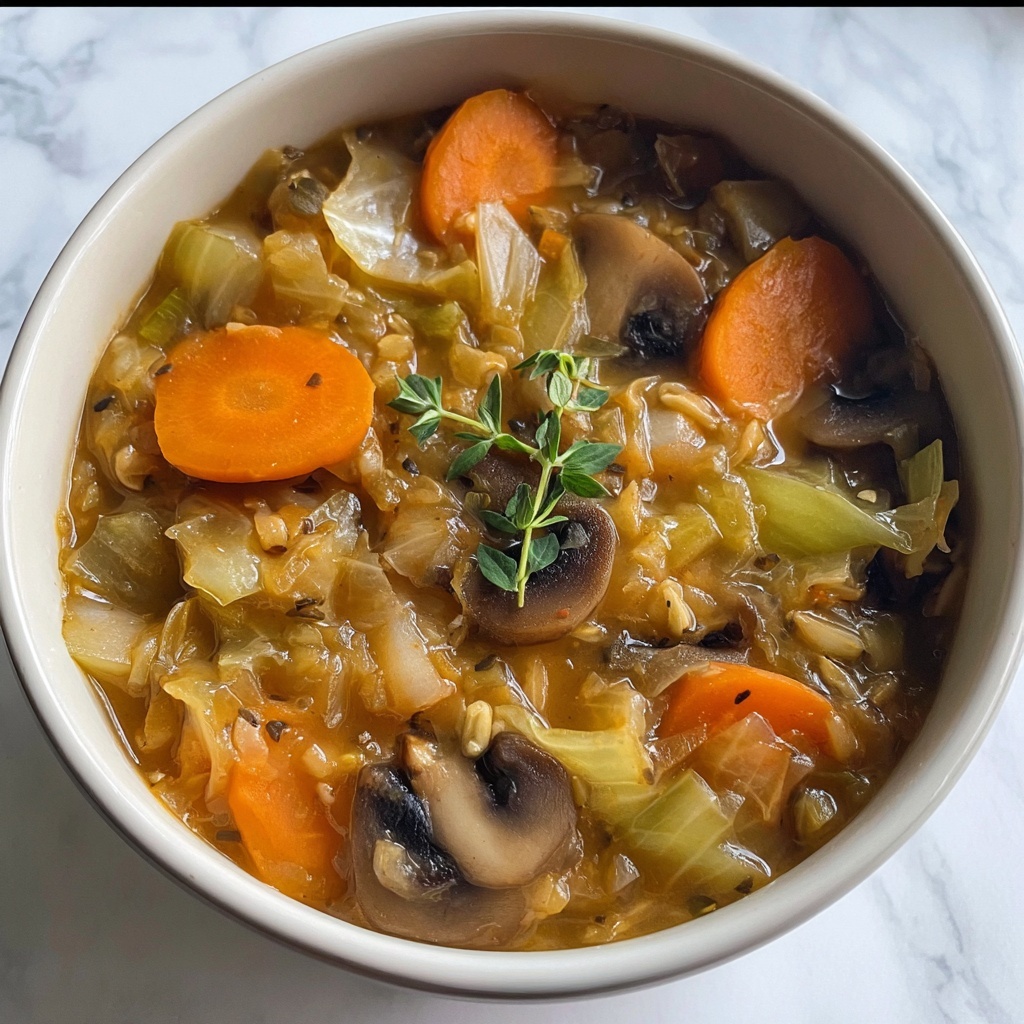
Garnishes
A sprinkle of freshly chopped herbs like parsley or chives creates a lovely fresh finish and enhances the aromatic qualities of the pottage. A drizzle of good olive oil can also add a silky richness that makes each bite pop. For a touch of indulgence, a spoonful of crème fraîche or a few shavings of sharp cheese elevates the dish beautifully.
Side Dishes
This pottage pairs wonderfully with crusty bread or warm, buttered rolls to sop up every last drop. For a fuller meal, serve alongside a crisp green salad or roasted root vegetables to keep the wholesome, garden-fresh theme alive.
Creative Ways to Present
To impress guests, serve the pottage in rustic bread bowls or elegant soup crocks, garnished with a swirl of herb oil or a sprinkle of toasted oats for texture. You could even layer it with a sprinkle of toasted nuts or seeds on top for crunch. The Colonial Vegetable Pottage Recipe shines whether served simply or with a creative twist.
Make Ahead and Storage
Storing Leftovers
Colonial Vegetable Pottage Recipe keeps wonderfully in an airtight container in the refrigerator for up to 4 days. The flavors actually deepen and improve, making your leftovers a delicious second helping.
Freezing
This pottage freezes beautifully, making it perfect for meal prep. Just cool completely, transfer to freezer-safe containers, and freeze for up to 3 months. Thaw overnight in the refrigerator before reheating.
Reheating
Reheat gently on the stovetop over low to medium heat, stirring occasionally to prevent sticking. Add a splash of stock or water if it’s too thick. Alternatively, microwave in short bursts, stirring between intervals until piping hot and creamy once again.
FAQs
Can I use other vegetables in the Colonial Vegetable Pottage Recipe?
Absolutely! Feel free to experiment with seasonal vegetables like sweet potatoes, celery root, or even kale. Each will bring a slightly different flavor and texture while keeping the dish hearty and wholesome.
Is this dish suitable for vegetarians and vegans?
Yes, it is! Simply use vegetable stock instead of chicken stock, and ensure any garnishes are plant-based. It’s a perfect plant-forward meal that’s nourishing and full of flavor.
How thick should the pottage be?
The oats thicken it nicely into a rich, stew-like consistency. It should be creamy and hearty, not too watery or overly thick—like a bowl-full of warmth you can savor one spoonful at a time.
Can I prepare this recipe in a slow cooker?
Yes! You can combine all ingredients except the oats in the slow cooker and cook on low for 6-8 hours. Add the oats during the last 30 minutes of cooking to avoid overcooking them.
What’s the purpose of the vinegar in the recipe?
The vinegar adds a subtle brightness and slight tang that balances the richness of the oats and earthiness of the vegetables, lifting the entire dish’s flavors and making each bite more vibrant.
Final Thoughts
The Colonial Vegetable Pottage Recipe is a timeless classic that never fails to bring comfort and joy with each spoonful. Whether you’re a seasoned cook or a kitchen newbie, this recipe is approachable, nourishing, and absolutely delicious. Give it a try and discover why this humble pottage has kept people warm and satisfied for centuries. You just might find it becoming a beloved staple in your home, too.
Print
Colonial Vegetable Pottage Recipe
- Prep Time: 15 minutes
- Cook Time: 55 minutes
- Total Time: 1 hour 10 minutes
- Yield: 36 servings
- Category: Soup
- Method: Stovetop
- Cuisine: Colonial American
- Diet: Vegetarian
Description
A hearty and comforting Colonial Vegetable Pottage packed with root vegetables, fresh herbs, and wholesome rolled oats. This traditional soup simmers slowly to develop deep flavors and a thick, satisfying texture, perfect as a warming meal for a crowd.
Ingredients
Vegetables
- 1 cup carrots, peeled and diced
- 1 cup onion, diced
- 1 cup root vegetable (parsnip or turnip), peeled and diced
- 1 cup leek, cleaned and roughly chopped
- 1 cup cabbage, roughly chopped
- 1 cup mushrooms (any variety), roughly chopped
Herbs and Seasonings
- ½ teaspoon dried thyme
- ½ teaspoon dried rosemary
- ½ teaspoon ground sage
- 1 bay leaf
- Kosher salt and freshly cracked black pepper, to taste
Liquids and Others
- 8 cups vegetable or chicken stock
- 1 cup rolled oats
- 1 tablespoon vinegar (such as apple cider vinegar)
Instructions
- Cook Root Vegetables: In a large pot or Dutch oven, combine carrots, onion, root vegetables (parsnip or turnip), and ¼ cup of the stock. Cook over medium heat for 10 minutes, or until the vegetables begin to soften.
- Add Remaining Vegetables and Herbs: Add leeks, cabbage, mushrooms, thyme, rosemary, and sage to the pot. Cook for 5 minutes, stirring occasionally to combine the flavors.
- Simmer with Stock: Pour in the remaining stock and add the bay leaf. Bring the mixture to a boil, then reduce heat and let it simmer partially covered for 30 minutes to allow the flavors to meld.
- Add Oats: Stir in rolled oats and continue to simmer uncovered for an additional 20 minutes, or until the oats are tender and the soup has thickened to a hearty consistency.
- Season and Serve: Remove the bay leaf. Stir in vinegar and season with kosher salt and freshly cracked black pepper to taste. Serve the pottage hot for a warming, wholesome meal.
Notes
- You can use either vegetable or chicken stock based on your preference or dietary needs.
- For a vegan version, ensure to use vegetable stock and avoid chicken stock.
- The rolled oats help to thicken the soup naturally; for a gluten-free option, use certified gluten-free oats.
- Add more or less vinegar according to your taste for slight tanginess.
- This recipe can be made ahead and flavors develop even better the next day.