
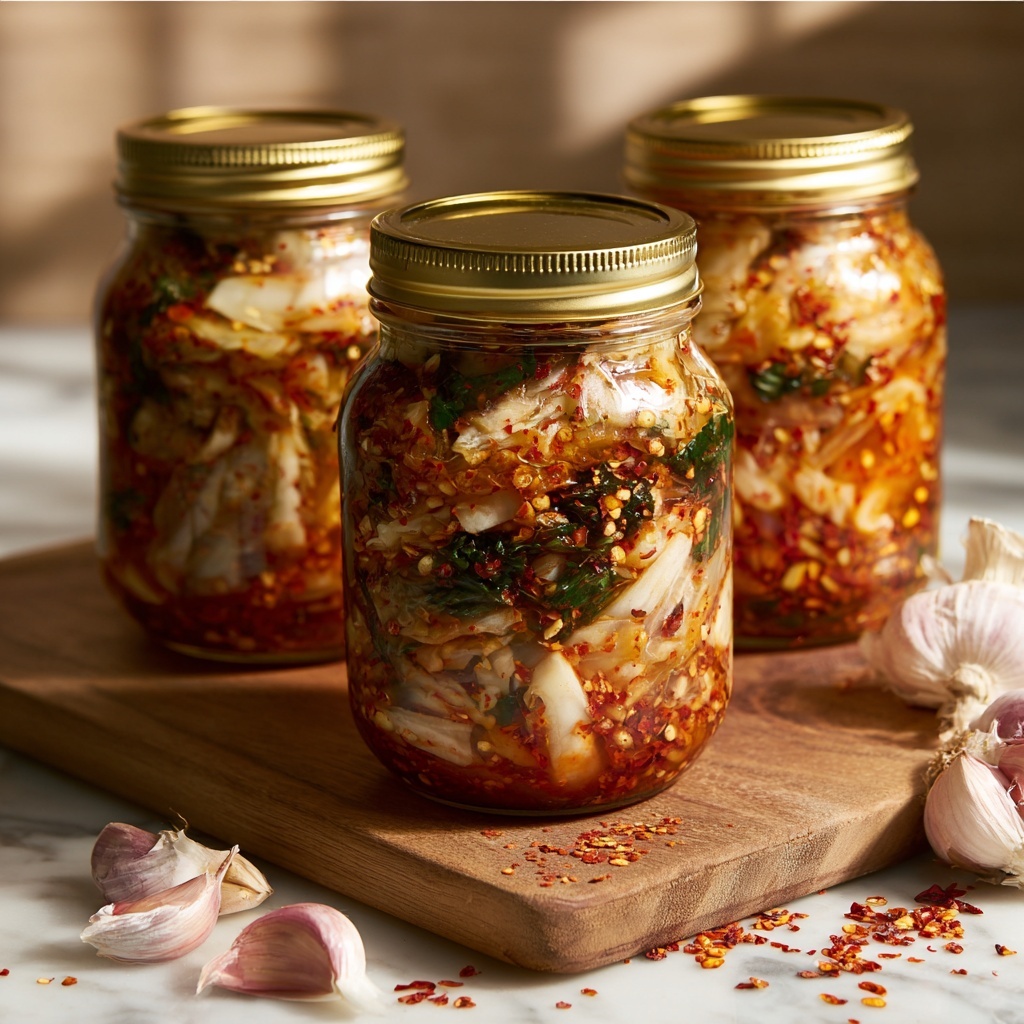
If you have ever wanted to make a traditional Korean favorite without any animal products, this Easy Vegan Kimchi Recipe is exactly what you need. It captures that perfect balance of spicy, tangy, and umami flavors, all while being completely plant-based and approachable for home cooks. Kimchi is not only a delicious side dish but also a probiotic powerhouse, making it a wonderful addition to your meals to boost both taste and gut health. With this recipe, the magical transformation of cabbage into vibrant, flavorful kimchi is truly within your reach.
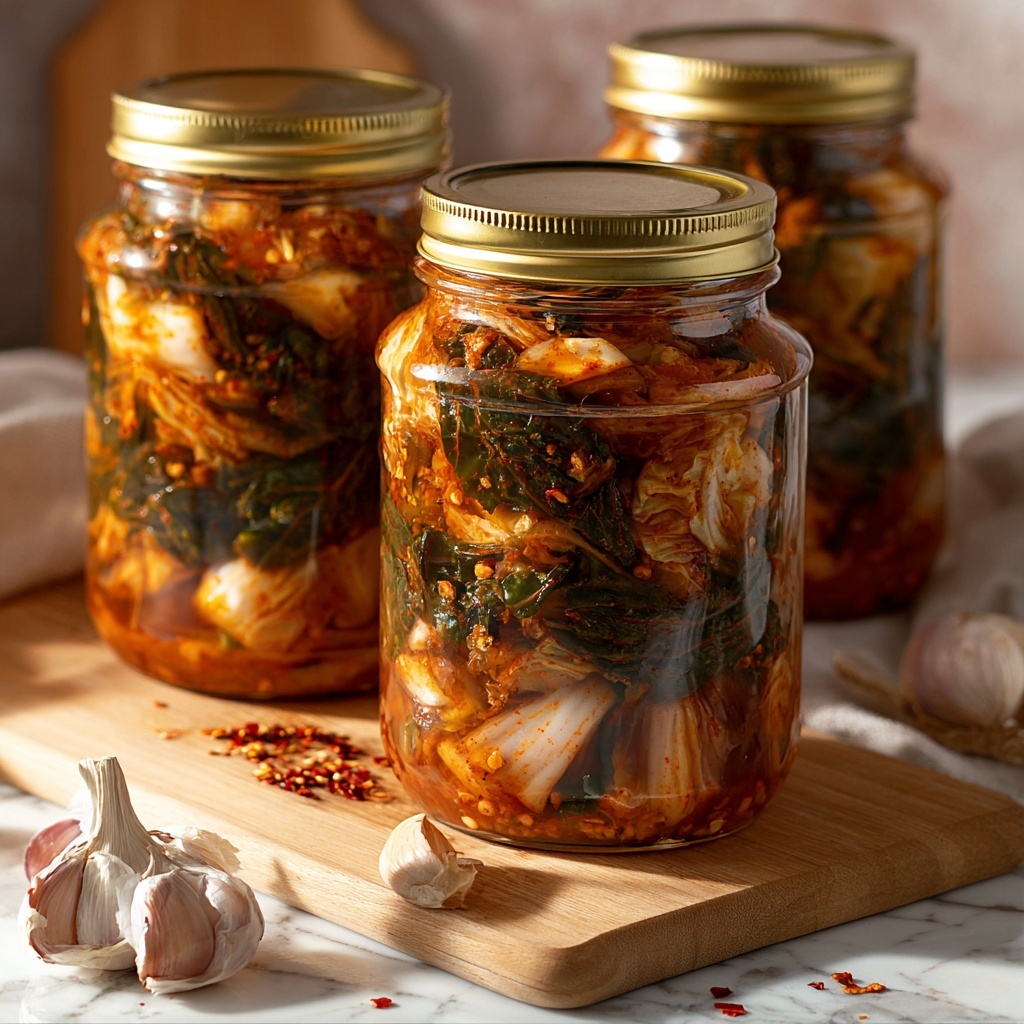
Ingredients You’ll Need
Each ingredient in this Easy Vegan Kimchi Recipe plays a crucial role in building layers of flavor, texture, and color. By keeping the ingredients simple yet carefully chosen, this recipe is perfectly balanced and incredibly satisfying.
- Napa cabbage: This mild, tender cabbage is the classic base of kimchi, offering a crisp texture that softens as it ferments.
- Sea salt: Essential for wilting the cabbage and drawing out moisture, which helps create the perfect fermenting environment.
- Sweet rice flour: Used to make a thick rice paste that binds the seasonings and keeps the kimchi nicely moist.
- Apple or Asian pear: Adds a subtle natural sweetness that balances the heat and acidity beautifully.
- Onion: Boosts savory depth with its natural umami and mild pungency.
- Garlic: A classic kimchi must-have that delivers warmth and aroma.
- Fresh ginger: Adds a zesty, slightly spicy bite that lifts the entire flavor profile.
- Korean red pepper flakes (gochugaru): Provides the signature chili heat and vibrant red color fundamental to kimchi.
- Mushroom powder: Adds an earthy umami boost, intensifying the savory character.
- Korean radish: Adds crunchy texture and fresh crispness with a mild peppery bite.
- Carrot: Adds sweetness, crunch, and a pop of bright orange color.
- Asian chives: Bring a mild onion-garlic flavor that enhances the complexity of the kimchi.
How to Make Easy Vegan Kimchi Recipe
Step 1: Preparing and Salting the Cabbage
Begin by quartering your napa cabbage lengthwise and rinsing it thoroughly to remove any dirt or grit. Then, sprinkle sea salt generously between the leaves, paying special attention to the thicker stem parts where the salt needs to penetrate for proper wilting. This crucial step softens the cabbage and draws out moisture, creating the ideal texture and environment necessary for fermentation. After salting, let the cabbage rest, turning it halfway through, for about 1 to 1.5 hours until it feels pliable.
Step 2: Rinsing and Draining the Cabbage
Once the wilting process is complete, rinse the cabbage under cold water two or three times to remove excess salt. This prevents the kimchi from becoming overly salty while preserving the right seasoning. After rinsing, make sure you drain the cabbage very well because excess water could dilute the flavor and affect fermentation.
Step 3: Making the Sweet Rice Paste
In a small saucepan, whisk sweet rice flour with 1 cup of water and cook over medium heat. Constant stirring is key until the mixture thickens into a smooth paste. This paste acts as a binder for the seasoning mixture, keeping the kimchi luscious and moist. Once thickened, remove it from heat and allow it to cool completely before combining with other ingredients.
Step 4: Creating the Seasoning Blend
In a blender, combine the apple or Asian pear, onion, garlic, and fresh ginger until smooth and vibrant. This fruit and vegetable blend introduces a fresh, slightly sweet, and aromatic base to your kimchi. When ready, mix this puree with the cooled rice paste, Korean red pepper flakes, and mushroom powder in a large bowl. Stir well until all elements come together, giving you a richly colored and fragrant seasoning paste.
Step 5: Adding the Crunchy Veggies
To this seasoning paste, fold in the julienned Korean radish, carrot, and Asian chives. These vegetables not only add fantastic crunchy texture but also their own mild flavor nuances, contributing complexity and visual appeal to your finished kimchi.
Step 6: Seasoning the Cabbage
With gloves on to protect your hands from the chili, gently rub the seasoning mixture into every layer of the cabbage leaves. This step ensures that each bite of kimchi is packed with flavor and that the seasoning penetrates deeply for even fermentation.
Step 7: Packing and Fermenting
Firmly pack the seasoned cabbage into a clean glass jar or airtight container. Press down to eliminate any trapped air pockets, which is important for proper fermentation. Leave the jar at room temperature for 1 to 2 days, depending on how tangy and developed you want your kimchi’s flavor to be. Fermentation will begin, producing that signature tang and slight effervescence.
Step 8: Refrigeration and Serving
After the initial fermentation at room temperature, transfer the kimchi to the refrigerator. This slows the fermentation process and lets the flavors mature further. You can enjoy it straight away for fresher crunch or allow it to ferment longer in the fridge for deeper, more pungent notes.
How to Serve Easy Vegan Kimchi Recipe
Garnishes
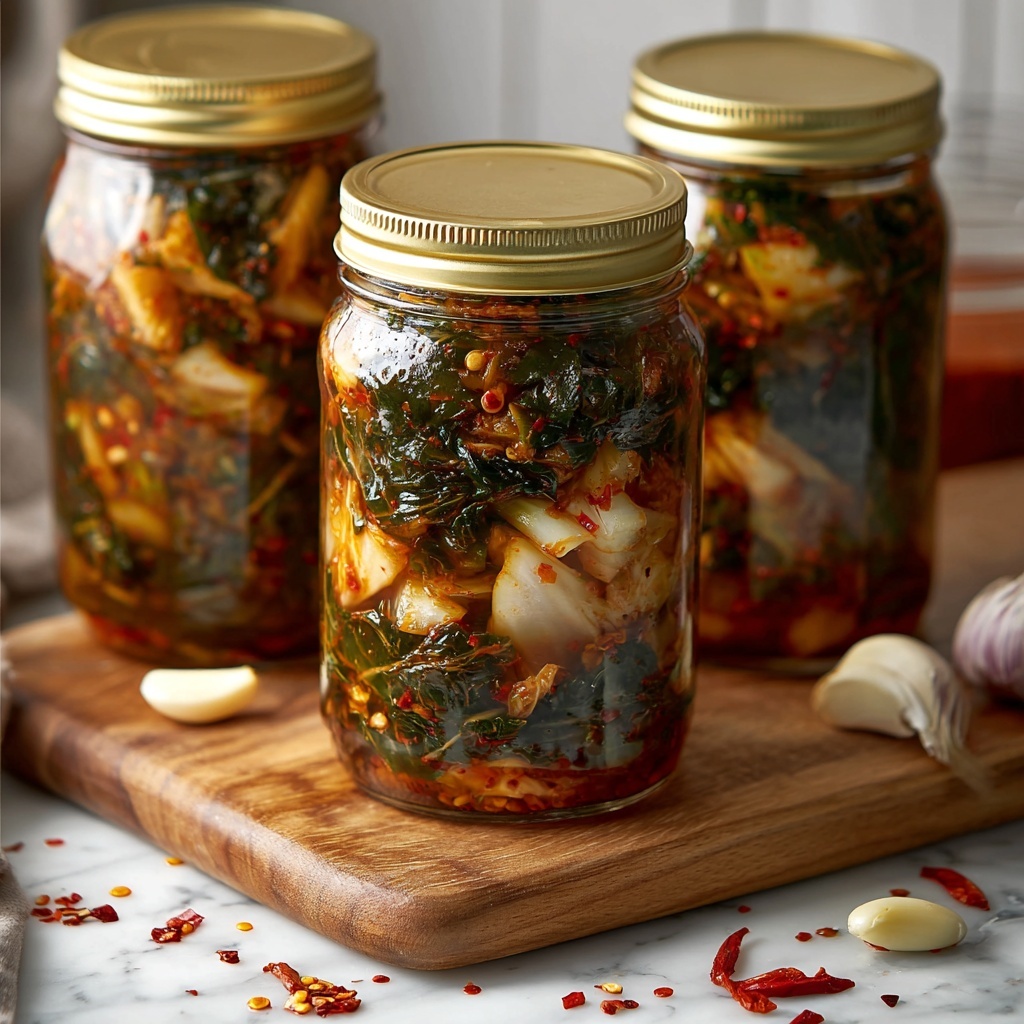
Kimchi is a flavor powerhouse all by itself, but a simple garnish can elevate your plating and texture experience. Try sprinkling toasted sesame seeds or chopped green onions on top to add nutty crunch and a fresh pop of color. These small touches turn your Easy Vegan Kimchi Recipe into a delightful conversation starter at the table.
Side Dishes
Kimchi pairs wonderfully with a variety of dishes, especially staples like steamed rice or Korean pancakes (pajeon). It also complements hearty soups, bibimbap bowls, or even simple avocado toasts for a spicy, tangy kick. The versatility of this kimchi means you can incorporate its bold flavor in countless meals, making it a staple in your vegan kitchen.
Creative Ways to Present
If you want to mix things up, serve your Easy Vegan Kimchi Recipe as a crunchy topping on tacos or grain salads. You can also stuff it inside vegan dumplings or lettuce wraps for a fun fusion twist. Its vibrant flavors and textures invite endless culinary creativity that will keep your meals exciting and fresh.
Make Ahead and Storage
Storing Leftovers
Once your kimchi has fermented to your liking, keep it refrigerated in an airtight container to preserve its flavor and texture. Properly stored, it can last several weeks to months, becoming more complex in flavor over time. Just remember to use a clean utensil each time to avoid contamination.
Freezing
While freezing kimchi is not traditional, you can freeze portions if you need to preserve it long-term. Note that the texture will soften upon thawing, so frozen kimchi works best in cooked dishes like stews or stir-fries rather than as a fresh side.
Reheating
Kimchi is usually enjoyed cold or at room temperature, but if you want to warm it, gently heat it in a pan or microwave. Warm kimchi is great in soups and casseroles, where its tangy, spicy notes add depth and complexity to the dish.
FAQs
Is this Easy Vegan Kimchi Recipe spicy?
This recipe uses Korean red pepper flakes to give it a moderate spicy kick, but you can adjust the amount to suit your heat preference. If you want milder kimchi, reduce the gochugaru slightly or omit the seeds for less heat.
Can I use regular rice flour instead of sweet rice flour?
Sweet rice flour helps create the sticky, thick paste essential for traditional kimchi texture, so it is best to use it. Regular rice flour doesn’t give the same consistency and may result in a thinner paste.
How long does it take to ferment this Easy Vegan Kimchi Recipe?
Room temperature fermentation usually takes 1 to 2 days to develop a good tang. After that, refrigeration slows fermentation. You can enjoy it fresh or let it ferment longer—sometimes up to weeks in the fridge—for stronger flavors.
Can I use regular cabbage instead of napa cabbage?
Napa cabbage is preferred for its texture and sweetness, but if you only have regular green cabbage, you can substitute it. Keep in mind that green cabbage leaves are thicker and may take longer to salt and soften properly.
Do I need special jars for fermenting kimchi?
While special fermentation jars are available, any clean glass jar or airtight container works well for this recipe. Just ensure you press the kimchi down firmly to remove air pockets and keep the jar sealed during fermentation.
Final Thoughts
I hope you feel excited and confident to try this Easy Vegan Kimchi Recipe at home. It’s such a rewarding process to make your own vibrant, flavorful kimchi packed with probiotics and plant-based goodness. Whether you are an experienced fermenter or a beginner, this recipe makes the journey joyful and delicious. Give it a go and watch how a simple cabbage turns into something truly extraordinary!
Print
Easy Vegan Kimchi Recipe
- Prep Time: 20 minutes
- Cook Time: 10 minutes
- Total Time: 1 hour 55 minutes
- Yield: 8 servings
- Category: Side Dish
- Method: No-Cook
- Cuisine: Korean
- Diet: Vegan
Description
This easy vegan kimchi recipe offers a flavorful and tangy fermented Korean side dish made without any animal products. Utilizing napa cabbage, Korean radish, and a spicy, umami-rich seasoning paste, it delivers authentic kimchi taste with a simple step-by-step process. The fermentation adds beneficial probiotics, making it both delicious and healthful.
Ingredients
Main Ingredients
- 2 pounds napa cabbage
- 1/4 cup sea salt
- 4 cups water
Rice Flour Paste
- 2 tablespoons sweet rice flour
- 1 cup water (for rice paste)
Seasoning Paste
- 1 small apple or Asian pear, chopped
- 1/2 small onion, chopped
- 4 cloves garlic
- 1 tablespoon fresh ginger
- 1/3 to 1/2 cup Korean red pepper flakes (gochugaru)
- 1 teaspoon mushroom powder
Vegetables
- 1 cup Korean radish, julienned
- 1/2 cup carrot, julienned
- 1/2 cup Asian chives, cut into 1-inch pieces
Instructions
- Salt the Cabbage: Cut the napa cabbage lengthwise into quarters and rinse thoroughly. Sprinkle sea salt evenly between the cabbage leaves, focusing on the thicker stems. Let sit for 1 to 1½ hours, turning halfway through, until the cabbage softens.
- Rinse and Drain: Rinse the cabbage under cold water two or three times to remove excess salt. Drain well and set aside.
- Prepare Rice Flour Paste: In a small saucepan, whisk the sweet rice flour with 1 cup of water. Cook over medium heat, stirring constantly, until it thickens into a paste. Remove from heat and let cool completely.
- Blend Fruit and Aromatics: In a blender, combine the chopped apple or pear, onion, garlic, and fresh ginger. Blend until smooth.
- Mix Seasoning Paste: In a large bowl, mix the cooled rice paste with the blended fruit and vegetable mixture. Add the Korean red pepper flakes and mushroom powder and stir until well combined.
- Add Julienned Vegetables: Fold in the julienned Korean radish, carrot, and Asian chives to create the kimchi seasoning mixture.
- Apply Seasoning to Cabbage: Wearing gloves, gently rub the seasoning paste between each cabbage leaf, ensuring every layer is well coated.
- Pack into Jar: Pack the seasoned cabbage tightly into a clean glass jar or airtight container, pressing down firmly to remove air pockets.
- Ferment at Room Temperature: Leave the jar at room temperature for 1 to 2 days to ferment, depending on desired tanginess.
- Refrigerate to Slow Fermentation: Transfer the kimchi to the refrigerator to slow fermentation. Serve immediately for a fresh taste or allow it to ferment longer in the refrigerator for deeper flavor.
Notes
- Wearing gloves when applying the seasoning paste helps prevent skin irritation from the chili flakes.
- Fermentation time can be adjusted based on your taste preference; longer fermentation yields more sour kimchi.
- Use a non-metallic container for fermentation to avoid any chemical reactions with the acidic kimchi.
- Sweet rice flour paste is essential for fermentation and adds a pleasant thickness to the seasoning.
- This recipe is entirely plant-based and suitable for vegans.