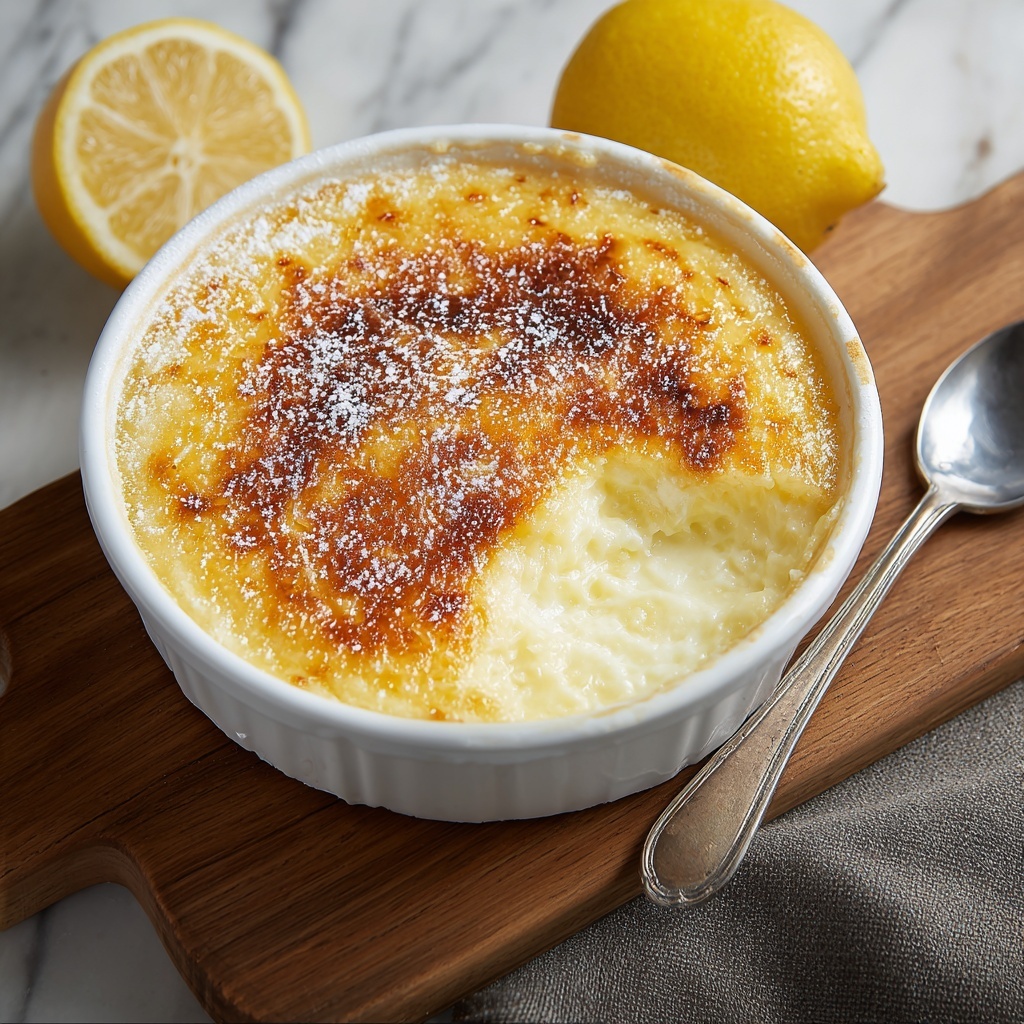
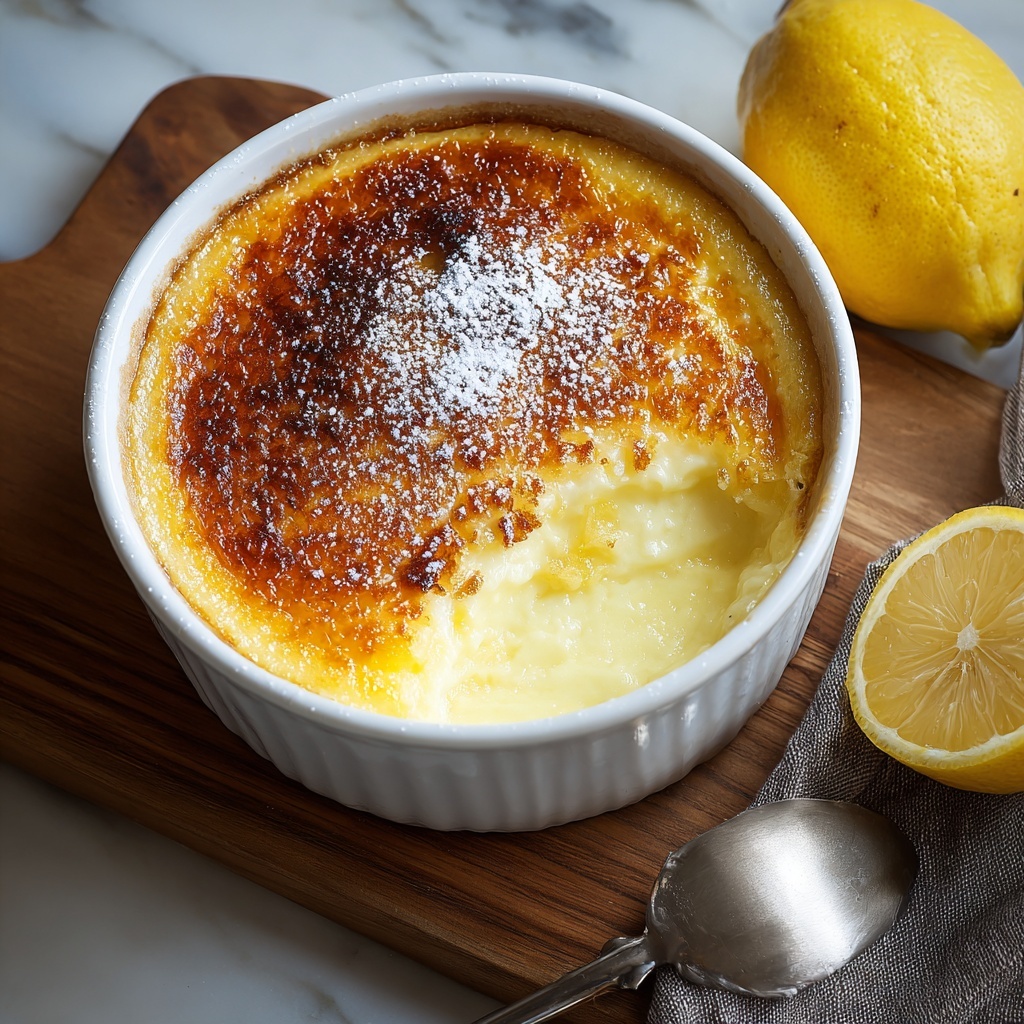
If you’re on the hunt for a dessert that feels like a sunny day in every bite, this Baked Lemon Pudding Recipe is an absolute must-try. It perfectly balances bright, zesty lemon flavor with a luxuriously light and fluffy texture that’s both comforting and elegant. Whether you’re serving it up after a casual dinner or a special occasion, this pudding delivers that dreamy melt-in-your-mouth experience you didn’t know you needed but won’t be able to stop craving.
Ingredients You’ll Need
These ingredients are wonderfully simple but each plays a vital role in creating the perfect Baked Lemon Pudding Recipe. From the smooth creaminess of whole milk to the fresh zing of lemon juice and zest, every element works together to craft a vibrant and airy dessert unlike any other.
- Granulated sugar: Sweetens the pudding while helping create a smooth texture.
- All-purpose flour: Acts as a subtle thickening agent to give body to the custard base.
- Salt: Enhances and balances the sweetness and citrus flavors.
- Whole milk: Provides a creamy base that is essential for lusciousness.
- Eggs, separated: Egg yolks enrich the custard, while whipped egg whites give the pudding its signature fluffiness.
- Fresh lemon juice: Offers fresh and bright acidity that wakes up your palate.
- Lemon zest: Adds aromatic citrus oils for an extra punch of lemon flavor.
- Vanilla extract: Rounds out the flavors with a subtle sweetness and complexity.
- Powdered sugar (optional): A light dusting adds a pretty finishing touch and delicate sweetness on top.
How to Make Baked Lemon Pudding Recipe
Step 1: Prepare Your Baking Dish and Oven
Before diving into the pudding itself, set your oven to 350°F (175°C) and generously grease a 1-quart baking dish or individual ramekins. This ensures your pudding won’t stick and will come out perfectly smooth.
Step 2: Combine Dry Ingredients and Heat the Milk
In a medium saucepan, whisk together the sugar, flour, and salt. Gradually add the milk, stirring constantly to avoid lumps. Cook this mixture over medium heat, stirring frequently until it thickens and just starts to bubble. This step creates a creamy custard base that is the foundation of our pudding.
Step 3: Temper the Egg Yolks
In a separate bowl, lightly beat the egg yolks. To avoid scrambling, slowly whisk about half a cup of the hot milk mixture into the yolks. Then return this yolk mixture to the saucepan and stir well to combine. This careful tempering enriches the pudding without curdling the eggs.
Step 4: Add Lemon and Vanilla Flavors
Next, stir in the fresh lemon juice, lemon zest, and vanilla extract. This infusion of citrus and vanilla brightens the custard with a balance of tangy and sweet notes, making the pudding delightfully refreshing.
Step 5: Whip Egg Whites and Fold Gently
In a clean bowl, beat the egg whites until stiff peaks form. Folding them gently into the lemon mixture is key to preserving airiness, which gives the pudding its signature lightness and fluffy texture that feels almost cloud-like.
Step 6: Prepare the Water Bath and Bake
Pour the delicate mixture into the prepared dish or ramekins. Place this in a larger baking pan and fill the outer pan with hot water halfway up the sides of your pudding dish. This water bath ensures gentle, even heat distribution while baking. Bake for 35 to 40 minutes until the pudding is set and lightly golden on top.
Step 7: Cool and Optional Finishing Touch
Allow the pudding to cool slightly after removing it from the oven. For that extra touch of elegance and sweetness, dust the top with powdered sugar just before serving.
How to Serve Baked Lemon Pudding Recipe
Garnishes
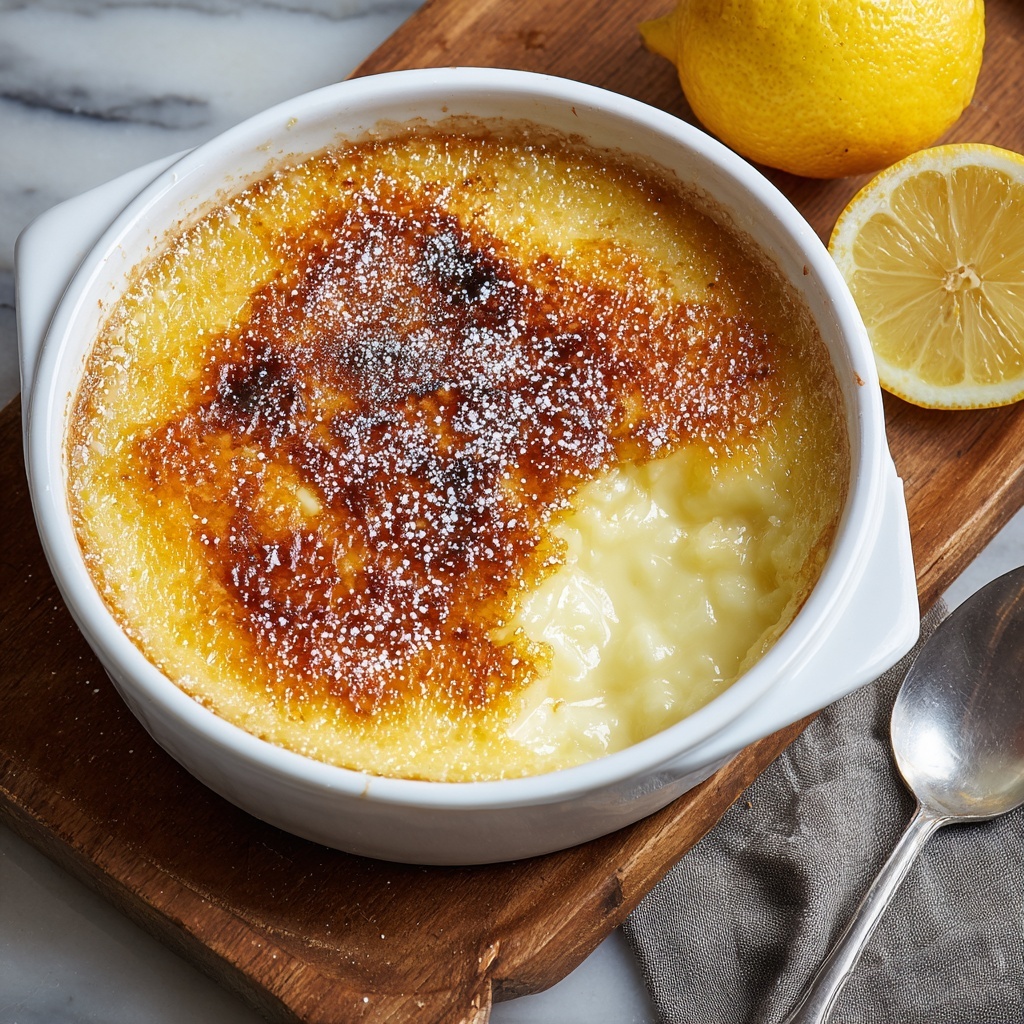
A light dusting of powdered sugar adds a delicate sweetness and a pretty, snow-kissed finish. You can also add a few thin lemon slices or a sprig of fresh mint to elevate the presentation. The bright yellow pudding against these garnishes is simply irresistible.
Side Dishes
This pudding shines beautifully on its own, but if you want to create a fuller dessert experience, pair it with fresh berries or a dollop of whipped cream. The creaminess complements the tartness perfectly, and berries add a juicy texture contrast that’s divine.
Creative Ways to Present
For a charming touch, serve individual portions in pretty ramekins topped with edible flowers or a swirl of lemon curd. If you’re entertaining, plating the pudding alongside a crisp cookie or biscotti adds delightful crunch and makes the dessert feel even more special.
Make Ahead and Storage
Storing Leftovers
Any leftovers can be covered tightly and refrigerated for up to two days. The pudding will retain its lovely texture, though it’s best enjoyed fresh for the ultimate fluffy and airy quality.
Freezing
Freezing is not recommended for baked lemon pudding because it can alter the texture, making it less light and fluffy. For best results, enjoy this dessert fresh or within a couple of days after baking.
Reheating
If you prefer to eat it warm, gently reheat individual portions in a low oven (300°F/150°C) for about 10 minutes or until just warmed through. Avoid the microwave if possible, as it can cause the delicate pudding to deflate or become rubbery.
FAQs
Can I use lemon extract instead of fresh lemon juice for the Baked Lemon Pudding Recipe?
While you can substitute lemon extract in a pinch, fresh lemon juice and zest provide a brighter, more natural citrus flavor that makes this pudding truly shine. The fresh ingredients deliver vibrant acidity and aroma that extracts simply can’t replicate.
What if I don’t have ramekins—can I use a single baking dish?
Absolutely! Using a single 1-quart baking dish is perfect and actually very traditional for this pudding. Just keep in mind that baking time might vary slightly compared to individual portions, so check for doneness accordingly.
Why do I need to use a water bath for baking the pudding?
The water bath gently surrounds the pudding with moist heat, which prevents the edges from cooking too quickly and the center from curdling. This method ensures the pudding sets evenly with that beautiful custard-like texture.
Can I make this dessert dairy-free or vegan?
This particular recipe relies heavily on dairy and eggs for texture and richness, so it’s not easily adapted without changing the character of the dish. However, there are vegan lemon pudding recipes available if you need those alternatives.
How can I tell when the pudding is done baking?
The pudding should look lightly golden on top and be set but still slightly wobbly in the center when gently shaken. It will continue to firm up as it cools, so don’t overbake or it might become dry.
Final Thoughts
There’s something truly magical about making this Baked Lemon Pudding Recipe—it brings together simple ingredients in a way that feels both special and comforting. Whether you’re treating yourself or impressing guests, this dessert will bring sunny smiles and happy sighs. I can’t wait for you to try it and experience that perfect balance of fluffy, tangy, and sweet for yourself.
Print
Baked Lemon Pudding Recipe
- Prep Time: 15 minutes
- Cook Time: 40 minutes
- Total Time: 55 minutes
- Yield: 4 servings
- Category: Dessert
- Method: Baking
- Cuisine: American
- Diet: Vegetarian
Description
This classic Baked Lemon Pudding is a light and airy dessert, bursting with fresh lemon flavor and a delicate texture. It features a silky custard base combined with gently folded egg whites, baked in a water bath to achieve a perfectly set and subtly golden top. Ideal for a refreshing end to any meal, this recipe serves four and offers a delightful balance of tartness and sweetness.
Ingredients
Dry Ingredients
- 1 cup granulated sugar
- 3 tablespoons all-purpose flour
- 1/4 teaspoon salt
Wet Ingredients
- 1 1/2 cups whole milk
- 3 large eggs, separated
- 1/4 cup fresh lemon juice
- 1 tablespoon lemon zest
- 1 teaspoon vanilla extract
Optional
- Powdered sugar, for dusting
Instructions
- Preheat and Prepare: Preheat your oven to 350°F (175°C). Grease a 1-quart baking dish or individual ramekins to prevent sticking.
- Combine Dry Ingredients and Milk: In a medium saucepan, whisk together granulated sugar, all-purpose flour, and salt. Gradually add the whole milk while stirring constantly to ensure a smooth mixture.
- Thicken the Mixture: Cook over medium heat, stirring frequently, until the mixture thickens and just begins to boil. Once thickened, remove the pan from heat to prevent overcooking.
- Temper Egg Yolks: Lightly beat the egg yolks in a separate bowl. Slowly whisk about half a cup of the hot milk mixture into the yolks to temper them and prevent curdling. Then, return the yolk mixture back to the saucepan and mix thoroughly.
- Add Flavors: Stir in the fresh lemon juice, lemon zest, and vanilla extract until fully incorporated. This gives the pudding its signature bright and fragrant lemon flavor.
- Beat Egg Whites: In a clean bowl, beat the egg whites until stiff peaks form, ensuring the pudding has a light and airy texture.
- Fold in Egg Whites: Gently fold the beaten egg whites into the lemon mixture, being careful not to deflate the airiness of the whites. Mix until just combined.
- Prepare for Baking: Pour the pudding mixture into the prepared baking dish or ramekins. Place this dish inside a larger baking pan and fill the outer pan with hot water halfway up the sides of the pudding dish to create a water bath.
- Bake: Bake in the preheated oven for 35-40 minutes, or until the pudding is set and the top is lightly golden.
- Cool and Serve: Remove the pudding from the oven and allow it to cool slightly. Dust with powdered sugar if desired before serving to add a touch of sweetness and an attractive finish.
Notes
- Be careful when folding the egg whites to preserve their volume, which gives the pudding its light texture.
- Using a water bath helps to gently cook the pudding and prevents cracking or curdling.
- Fresh lemon juice and zest provide the best flavor, but bottled lemon juice can be used in a pinch.
- Make sure to temper the egg yolks correctly to avoid scrambling when adding them to the hot milk mixture.
- This pudding can be served warm or chilled based on your preference.