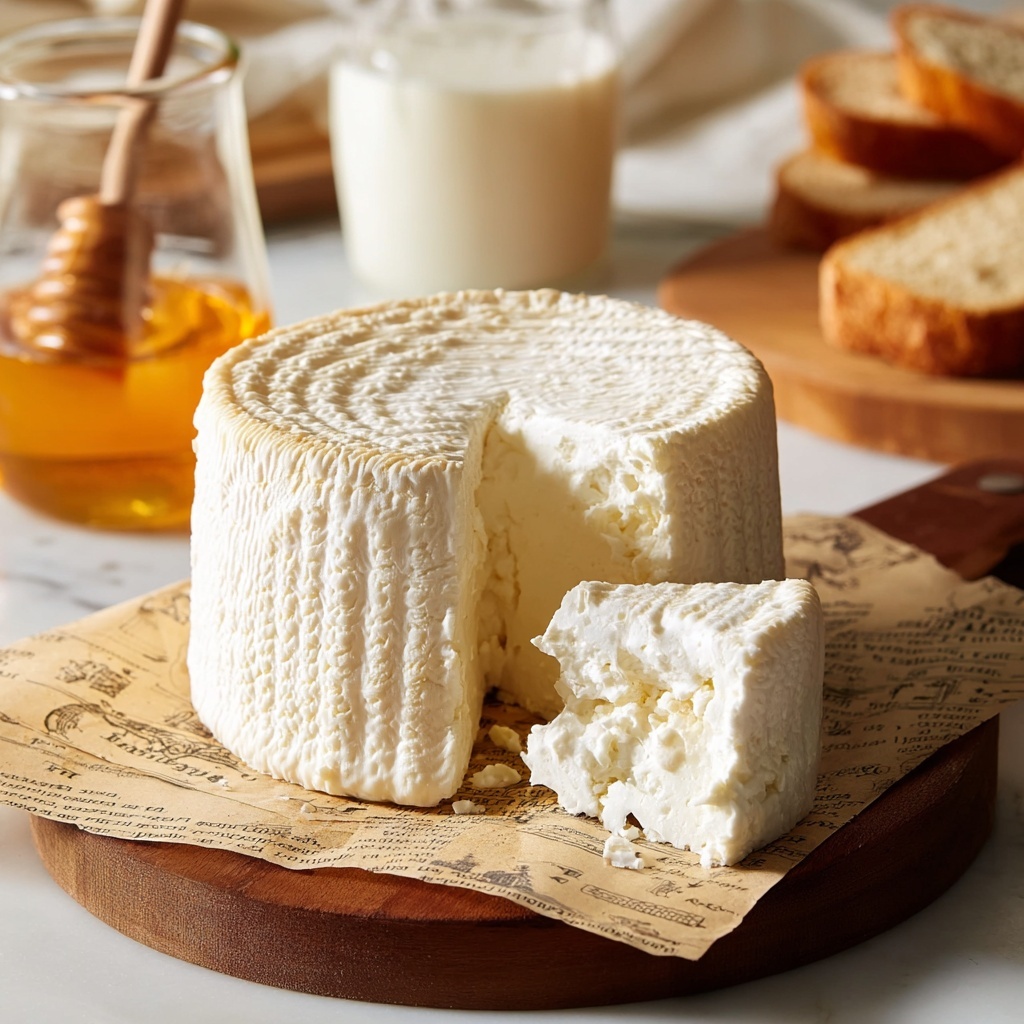
If you have ever craved the creamy, tangy goodness of ricotta cheese but follow a plant-based lifestyle, this Vegan Ricotta Cheese Recipe is about to become your new best friend. It combines simple, everyday ingredients into a luscious, dairy-free ricotta that tastes every bit as indulgent as the traditional version. Whether you’re layering it in lasagna, dolloping it on fresh pasta, or spreading it over toasted bread, this recipe delivers the perfect balance of creaminess and subtle tang, making it an absolute staple in vegan kitchens everywhere.
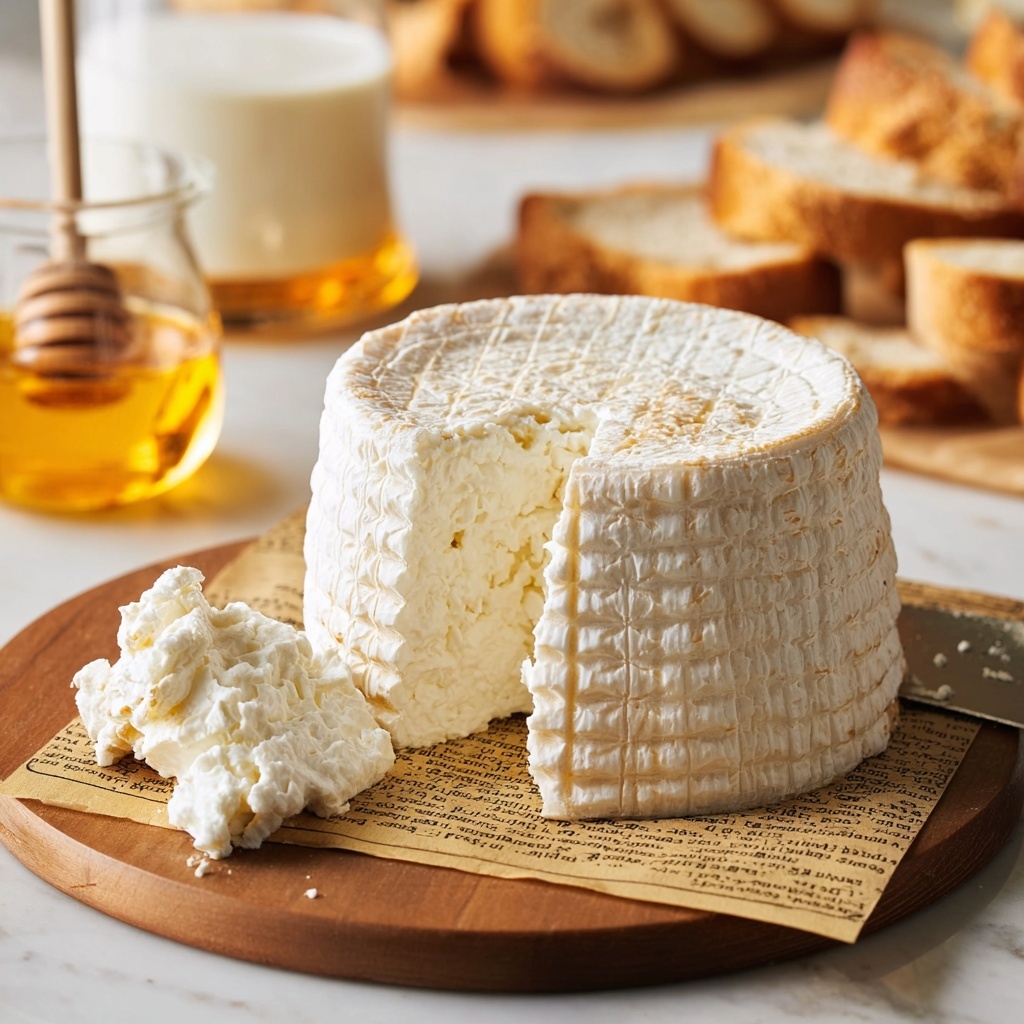
Ingredients You’ll Need
Every ingredient in this Vegan Ricotta Cheese Recipe serves a purpose in building its delicate texture and vibrant flavor, and you’ll find these are all pantry-friendly essentials. They harmonize beautifully to mimic the richness of dairy ricotta while keeping everything completely plant-based.
- Cashews (100 g, soaked): Soaking softens these nuts, giving the cheese its rich, creamy foundation and smooth mouthfeel.
- Unsweetened soy milk (1250 ml): Provides a neutral and slightly nutty base that blends perfectly with the cashews and yogurt.
- Greek-style vegan yogurt (225 g): Adds tanginess and thickens the cheese, imitating traditional ricotta’s texture.
- Sea salt (½ teaspoon): Enhances all the flavors without overpowering the delicate balance.
- Freshly squeezed lemon juice (3 tablespoons): Brings brightness and acidity, essential for the curdling process that creates ricotta’s signature texture.
- Apple cider vinegar (3 tablespoons): Works alongside lemon juice to further encourage curdling and adds a subtle depth of flavor.
How to Make Vegan Ricotta Cheese Recipe
Step 1: Blend the Base Ingredients
Start by adding your soaked and drained cashews, soy milk, vegan yogurt, and sea salt into a high-speed blender. Blend everything for about a minute until the mixture is completely smooth, creating the base for a creamy ricotta that will not be grainy or lumpy.
Step 2: Gently Heat for Curdling
Pour the blended mixture into a deep frying pan or saucepan and turn the heat to low-medium. Slowly warm it to 90°C (194°F) and hold it there for a minute while stirring frequently. This gentle heating step is critical, as it prepares the blend to curdle and develop that authentic ricotta texture you’re after.
Step 3: Add the Acidic Ingredients and Rest
Remove the pan from heat, then stir in your freshly squeezed lemon juice and apple cider vinegar. These acids will encourage the mixture to separate and curdle into “cheese.” Let it sit undisturbed for 20 minutes so the magic can happen undisturbed—this step really develops the characteristic ricotta curds.
Step 4: Mold and Chill the Cheese
Set a cheese mold on top of a colander placed over a large bowl to catch liquid. Use a small sieve to carefully transfer the curdled mixture from your pan into the mold, filling it as full as possible. Stir gently inside the mold to allow excess liquid to escape and make room for remaining curds. Once filled, place the mold in the refrigerator and let it chill and strain for 8 hours or overnight—patience here gives you that luscious finish.
Step 5: Remove and Store
To de-mold, grip the top of the mold with a kitchen towel and carefully invert it onto a plate or storage container. Your vegan ricotta should release easily, leaving behind a creamy block ready to brighten up any dish. Store it in an airtight container in the fridge for the freshest taste.
How to Serve Vegan Ricotta Cheese Recipe
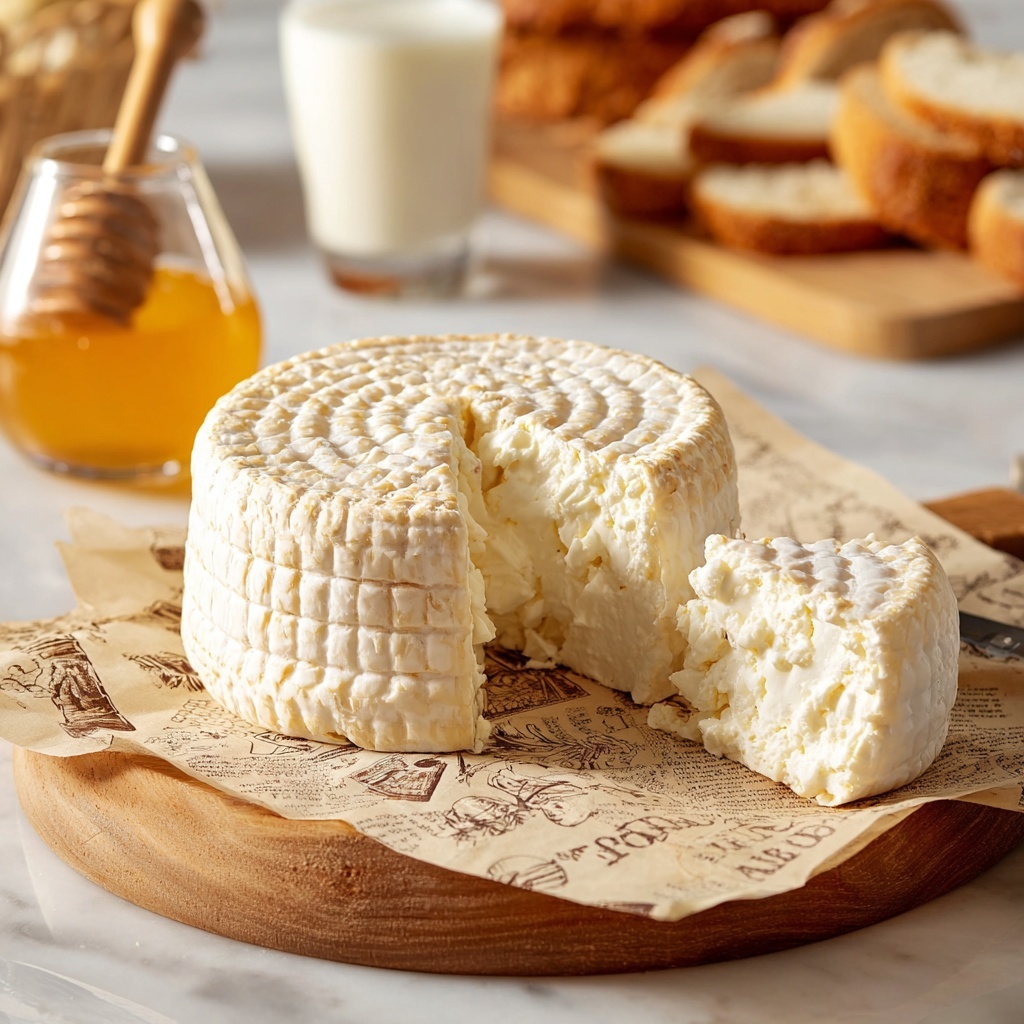
Garnishes
Enhance your vegan ricotta with fresh herbs like basil, chives, or oregano to add a pop of fragrance and color. A drizzle of extra virgin olive oil or a sprinkle of cracked black pepper elevates its creamy simplicity perfectly.
Side Dishes
This ricotta pairs wonderfully with grilled vegetables, fresh salads, or toasted sourdough bread. Try it as a spread alongside roasted tomatoes or alongside a bowl of your favorite tomato-based pasta for a comforting meal.
Creative Ways to Present
Think beyond the traditional. Use this ricotta in stuffed pasta shells or ravioli, dollop it on top of vegan pizzas, or fold it into creamy vegan lasagna layers for a delicious twist. It also makes a delightful base for sweet dishes—try it with fresh berries, a sprinkle of cinnamon, and a drizzle of maple syrup for a wholesome dessert.
Make Ahead and Storage
Storing Leftovers
Once made, this Vegan Ricotta Cheese Recipe keeps beautifully in an airtight container in the refrigerator for up to 3 to 4 days. Keep it cold to preserve its fresh, tangy flavor and creamy texture.
Freezing
While freezing is possible, it may slightly change the texture of the ricotta, making it a little crumbly once thawed. If you do freeze it, store in a sealed container or freezer bag for up to 2 months and thaw it slowly in the refrigerator before use.
Reheating
Reheating is usually not necessary for ricotta; it’s best enjoyed chilled or at room temperature. However, if you want to warm it gently, add it at the end of cooking your dish and heat slowly to maintain that creamy consistency without drying out.
FAQs
Can I use other types of nuts instead of cashews?
Cashews are preferred for their creamy texture and mild flavor, but soaked blanched almonds or macadamia nuts can be experimented with. Just know that the flavor and smoothness might vary slightly.
Do I have to use soy milk, or can I substitute another plant milk?
Soy milk works best because of its protein content which helps the curdling process, but you can try almond or oat milk if soy is not an option, keeping in mind the texture and flavor might shift a bit.
What does the lemon juice and apple cider vinegar do in this recipe?
Both provide the acidity needed to “curdle” the proteins in the mixture, creating the lumps and texture typical of traditional ricotta. They also add brightness and depth of flavor.
How can I use the leftover liquid after molding the ricotta?
The leftover liquid is rich in nutrients and flavor; it makes a great addition to smoothies, soups, or sautéed veggies. Don’t throw it away—you’ve got a flavorful bonus!
Can I make this vegan ricotta without a blender?
Using a high-speed blender ensures a smooth base; however, if you don’t have one, a powerful food processor can work, but you might need to blend longer and scrape down the sides more frequently.
Final Thoughts
This Vegan Ricotta Cheese Recipe is one of those rare gems that you’ll reach for time and again. It’s effortless to make, packed with flavor, and versatile enough to inspire countless dishes. I encourage you to dive in, experiment with ways to enjoy it, and experience firsthand how delightful plant-based ricotta can be. Trust me, once you try this recipe, you’ll never look back.
Print
Vegan Ricotta Cheese Recipe
- Prep Time: 15 minutes (plus 8 hours soaking cashews)
- Cook Time: 30 minutes
- Total Time: 8 hours 45 minutes
- Yield: 8 servings
- Category: Cheese/Dairy Alternative
- Method: Stovetop
- Cuisine: Vegan/Plant-Based
- Diet: Vegan
Description
A creamy and tangy vegan ricotta cheese made from soaked cashews, soy milk, and Greek-style vegan yogurt. This homemade ricotta is gently heated, curdled with lemon juice and apple cider vinegar, and then chilled to develop a smooth, spreadable texture perfect for a variety of plant-based dishes.
Ingredients
Main Ingredients
- 100 g cashews (soaked, see note 1)
- 1250 ml unsweetened soy milk
- 225 g Greek-style vegan yogurt (such as Alpro Greek-Style protein yogurt)
- ½ teaspoon sea salt
- 3 tablespoons lemon juice (freshly squeezed)
- 3 tablespoons apple cider vinegar
Instructions
- Blend Ingredients: Add the soaked and drained cashews, soy milk, vegan yogurt, and sea salt to a high-speed blender and blend for about one minute until the mixture is completely smooth and creamy.
- Heat Mixture: Transfer the blended mixture to a large deep frying pan, wok, or deep saucepan and place over low to medium heat. Gradually heat the mixture until it reaches 90°C (194°F), then maintain this temperature and cook for 1 minute, stirring frequently to prevent sticking and ensure even heating. This process should take about 20 minutes in total.
- Curdle Cheese: Remove the pan from heat and stir in freshly squeezed lemon juice and apple cider vinegar. Allow the mixture to sit undisturbed for 20 minutes to let it curdle and thicken naturally.
- Mold and Strain: Place a cheese mold on top of a colander positioned over a large mixing bowl to catch draining liquid. Using a small sieve, scoop the curdled mixture from the saucepan into the mold. Fill it to the top, gently stir the curds in the mold to release liquid and create space, then add the remaining curds. Cover and refrigerate the mold for 8 hours or overnight to firm up and drain further.
- De-mold Cheese: To remove the cheese from the mold, hold the top securely with kitchen paper or a clean towel and carefully invert onto a plate or into a storage container.
- Storage: Transfer the vegan ricotta to an airtight container and refrigerate. Use within 3-4 days for best freshness and flavor.
Notes
- Soak the cashews in water overnight or for at least 4 hours to soften them and ensure a creamy texture.
- The leftover liquid after straining the ricotta is a nutrient-rich whey-like byproduct. Save it to add creaminess and nutrition to smoothies, soups, or stir-fry dishes.
- Maintaining the heating temperature around 90°C is crucial to achieve proper curdling without drying out the cheese.
- This vegan ricotta is perfect for lasagnas, spreads, salads, or as a dip.