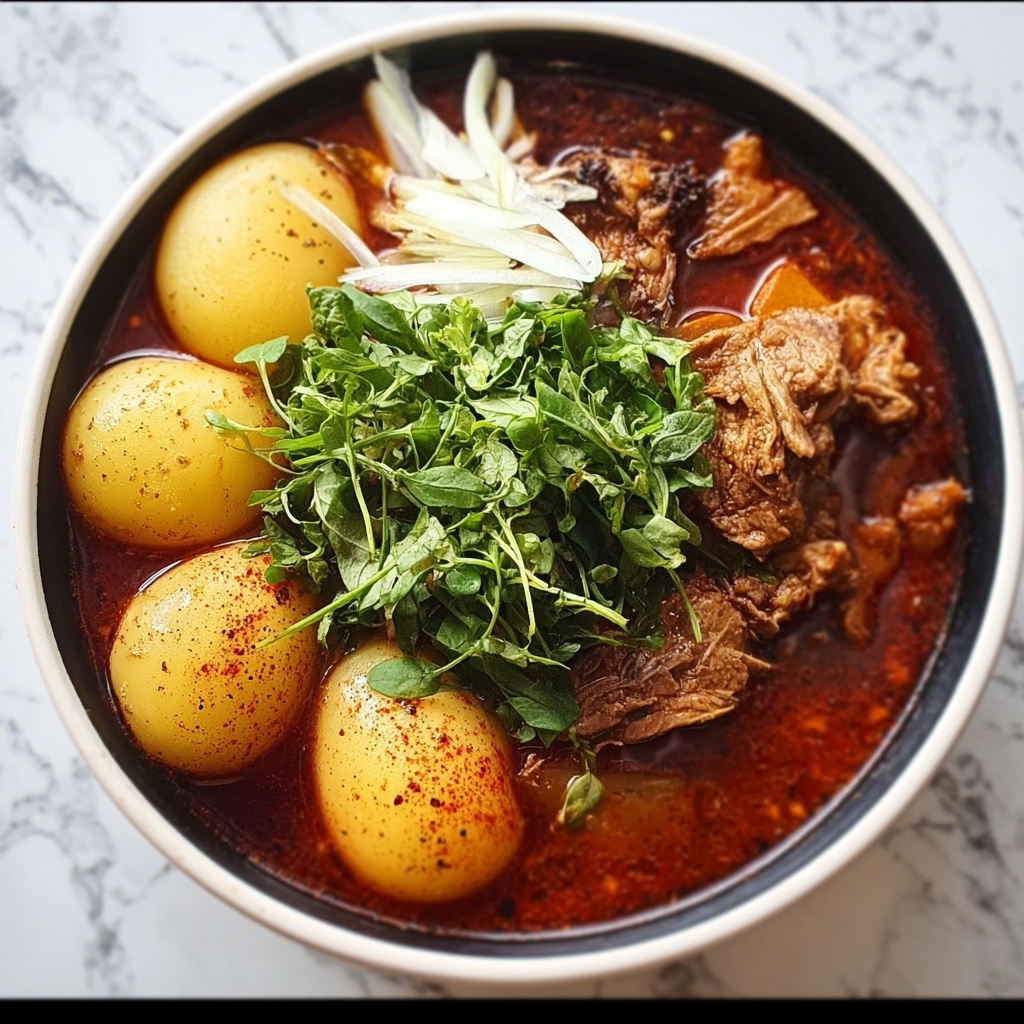
If you are craving an authentic taste of Korea that warms you to the core, you need to try this Gamjatang: Spicy Korean Pork Soup with Potatoes and Napa Cabbage Recipe. Imagine tender pork infused with robust spices swimming alongside soft potatoes and crunchy napa cabbage in a rich, fiery broth that’s comfort in a bowl. This dish is a beloved classic that brings together the bold flavors and hearty textures of Korean cuisine in a way that’s both satisfying and utterly delicious. Whether it’s a chilly night or you’re simply in the mood for something deeply flavorful, Gamjatang is the ultimate bowl of spicy, savory goodness that never disappoints.
Ingredients You’ll Need
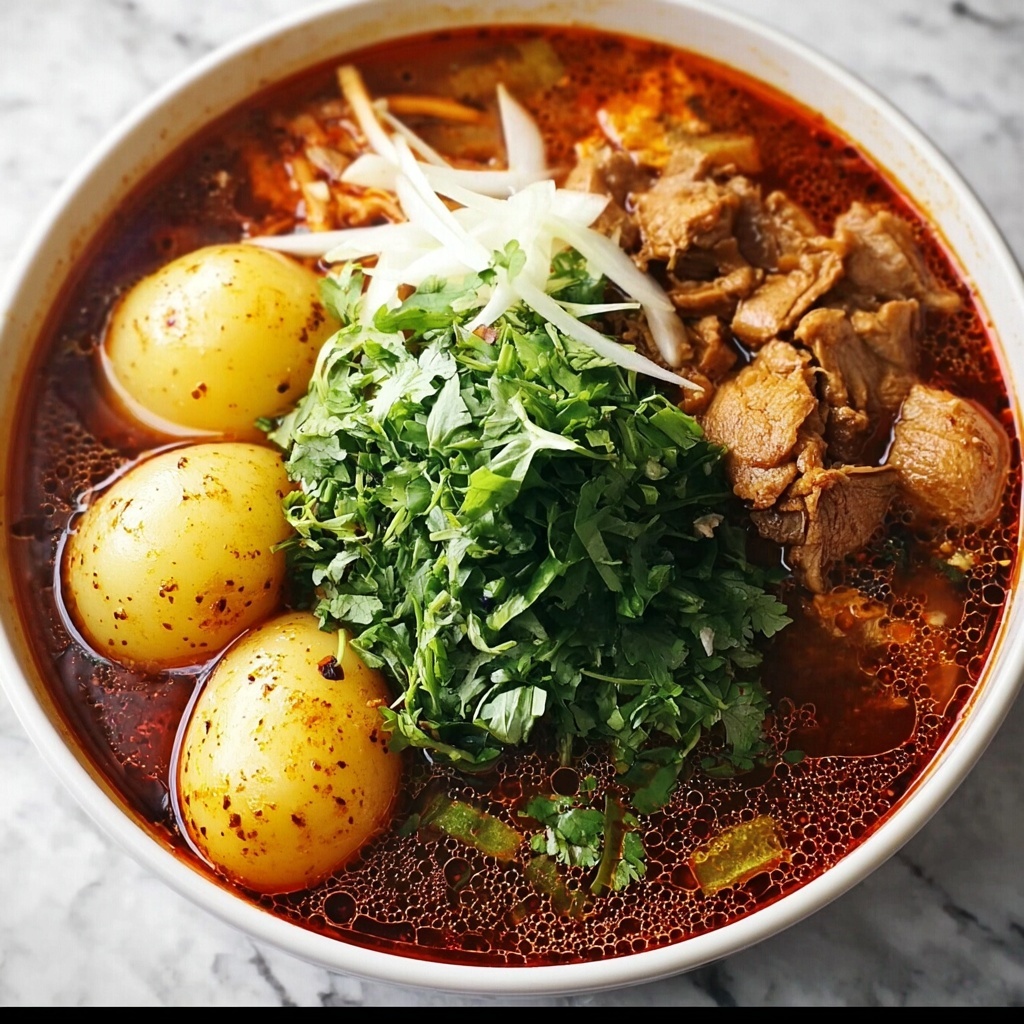
The magic of Gamjatang lies in its simple yet essential ingredients, each playing a crucial role in building layers of flavor, texture, and color. From the pork neck bones that create a rich broth to the spicy Korean chili pastes that give the soup its signature kick, every component comes together beautifully.
- 2 pounds pork neck bones or pork spine pieces: The star for a deep, hearty broth packed with gelatin and meaty goodness.
- 8 cups water: The base that turns into a fragrant, soul-soothing soup as it simmers.
- 1 tablespoon rice wine: Adds a subtle sweetness and depth to balance the spices.
- 1 tablespoon doenjang fermented soybean paste: Brings a savory umami punch and traditional Korean flavor.
- 2 tablespoons gochujang Korean chili paste: Provides the spicy, slightly sweet heat that defines Gamjatang.
- 2 tablespoons gochugaru Korean chili flakes: Adds texture and vibrant color, heating things up nicely.
- 1 tablespoon soy sauce: Enhances savoriness and layers of taste.
- 1 tablespoon minced garlic: Infuses the broth with aromatic warmth.
- 1 teaspoon minced ginger: Offers a gentle zing and freshness that cuts through the richness.
- 3 medium potatoes peeled and cut into chunks: These tender chunks soak up the spicy broth perfectly.
- 1 small onion sliced: Adds sweetness and body to the soup.
- 2 green onions chopped: For a fresh, vibrant finish that brightens each spoonful.
- 1 cup napa cabbage chopped: Brings crunch and a mild leafy flavor that complements the pork.
- 1/2 cup perilla leaves chopped (optional): Traditional herbaceous notes that add complexity and a hint of minty flavor.
- 1 teaspoon sesame oil: A toasty drizzle that rounds out the flavors luxuriously.
- Salt and black pepper to taste: Essential seasonings to adjust and bring everything into perfect harmony.
How to Make Gamjatang: Spicy Korean Pork Soup with Potatoes and Napa Cabbage Recipe
Step 1: Clean and Parboil the Pork Bones
The key to a clean, flavorful broth starts with rinsing your pork neck bones under cold water to remove any impurities. Then, place them in a large pot filled with water and bring to a boil for about 5 minutes. This quick boil releases any scum or excess fat. Be sure to drain and rinse the bones again before moving on. This step prevents a cloudy broth and ensures a pure, savory base for your soup.
Step 2: Simmer the Broth
In a fresh pot, add the rinsed pork bones with 8 cups of fresh water and bring it to a boil. Once boiling, reduce the heat to let it simmer gently for 45 minutes. This slow simmer allows the rich flavors to emerge and the collagen in the bones to melt, creating a luscious broth. This patience truly pays off in the final taste.
Step 3: Add the Flavorings
Now the magic begins: stir in the rice wine, doenjang, gochujang, gochugaru, soy sauce, minced garlic, and ginger. These ingredients are the heart and soul of the Gamjatang: Spicy Korean Pork Soup with Potatoes and Napa Cabbage Recipe, creating its signature spice, depth, and traditional Korean flair. Let it simmer for another 45 minutes so that the flavors meld together beautifully.
Step 4: Add Potatoes, Onion, and Napa Cabbage
Once the broth is deeply infused with seasoning, it’s time to add the potatoes, onion, and napa cabbage. Cook these for 20 to 25 minutes until the potatoes are perfectly tender and the cabbage has softened just enough to add texture without losing its bite. This step balances the spicy broth with hearty and fresh vegetable notes that feel comforting and filling.
Step 5: Finish with Fresh Herbs and Sesame Oil
Turn off the heat and stir in chopped green onions and perilla leaves if you have them on hand—they introduce a fresh, slightly herbal brightness. Drizzle the soup with a teaspoon of fragrant sesame oil for a silky finish. Taste the soup carefully and adjust the salt and pepper to your liking before serving hot.
How to Serve Gamjatang: Spicy Korean Pork Soup with Potatoes and Napa Cabbage Recipe
Garnishes
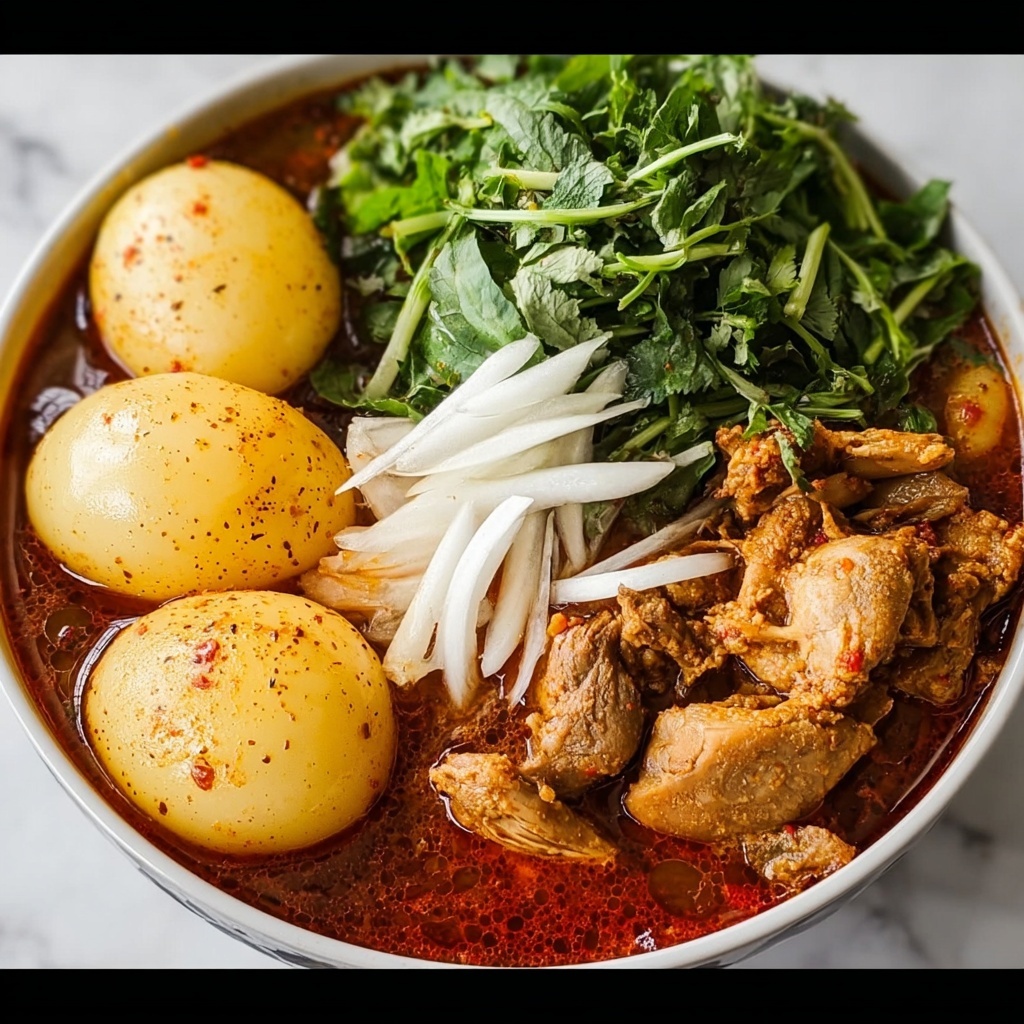
Simple garnishes can elevate this dish to restaurant-quality. Sprinkle extra chopped green onions and a few fresh perilla leaves on top for a burst of color and freshness. A light sprinkle of toasted sesame seeds adds a nice visual touch and enhances the nutty aroma, making each spoonful a celebration of flavors.
Side Dishes
Gamjatang is best enjoyed alongside traditional Korean sides like steamed white rice, which helps mellow out the spiciness while soaking up the sumptuous broth. Serve it with kimchi, whether classic napa cabbage kimchi or spicy radish cubes, to add crunch, tang, and fermented complexity that perfectly complements the soup.
Creative Ways to Present
For a fun twist, serve Gamjatang in individual stone bowls to keep it steaming hot throughout the meal. You can also add some noodles at the end of cooking for a noodly variation that adds another comforting element. If entertaining, pair your soup with an assortment of banchan (Korean side dishes) so your guests can experience a full traditional Korean meal.
Make Ahead and Storage
Storing Leftovers
Leftover Gamjatang tastes even better the next day as the flavors deepen further. Store it in an airtight container in the refrigerator for up to 3 days. Make sure to keep the pork and broth submerged to keep the meat tender and juicy.
Freezing
If you want to keep it longer, Gamjatang freezes beautifully. Use a freezer-safe container and freeze for up to 2 months. When ready to eat, thaw overnight in the refrigerator for best results.
Reheating
Reheat the soup over low to medium heat on the stove, stirring occasionally. Add a splash of water or broth if it seems too thick after cooling. This gentle reheating preserves the texture of the potatoes and keeps the pork tender without overcooking it.
FAQs
Can I use a different cut of pork if I don’t have neck bones?
Yes! Pork neck bones are traditional because they have a good balance of meat and connective tissue, but pork spine pieces or ribs work well too. Just make sure there’s enough bone to enrich the broth.
Is Gamjatang always very spicy?
It typically has a medium level of spiciness thanks to gochujang and gochugaru, but you can easily adjust the heat by reducing or increasing these ingredients according to your preference.
What if I can’t find perilla leaves?
Perilla leaves add a unique herbal flavor, but if you can’t find them, fresh spinach or even shiso leaves can be tasty substitutes that still bring a hint of green freshness.
Can I make Gamjatang in a slow cooker?
Absolutely! After blanching the bones, put all ingredients in the slow cooker and simmer on low for 6 to 8 hours. This method makes the pork incredibly tender and lets flavors develop wonderfully.
Is Gamjatang gluten-free?
Traditionally, some soy sauces contain gluten. To make this recipe gluten-free, substitute with tamari or a gluten-free soy sauce. The rest of the ingredients are naturally gluten-free.
Final Thoughts
There’s something truly special about making and savoring Gamjatang: Spicy Korean Pork Soup with Potatoes and Napa Cabbage Recipe—it’s like a warm hug on a chilly day filled with bold flavors and comforting textures. Once you try this dish, from the hearty pork broth to the tender potatoes and spicy kick, it’ll fast become a cherished favorite in your cooking repertoire. So grab those ingredients, set aside a couple of hours, and dive into this delicious culinary adventure!
Print
Gamjatang: Spicy Korean Pork Soup with Potatoes and Napa Cabbage Recipe
- Prep Time: 20 minutes
- Cook Time: 1 hour 50 minutes
- Total Time: 2 hours 10 minutes
- Yield: 4 servings
- Category: Main Course
- Method: Stovetop
- Cuisine: Korean
Description
Gamjatang is a hearty and spicy Korean stew made with tender pork neck bones simmered in a flavorful broth with potatoes, vegetables, and traditional Korean seasonings. This comforting main course offers a rich blend of spicy, savory, and slightly herbal flavors, perfect for warming up on chilly days.
Ingredients
Main Ingredients
- 2 pounds pork neck bones or pork spine pieces
- 8 cups water
Seasonings and Pastes
- 1 tablespoon rice wine
- 1 tablespoon doenjang fermented soybean paste
- 2 tablespoons gochujang Korean chili paste
- 2 tablespoons gochugaru Korean chili flakes
- 1 tablespoon soy sauce
- 1 tablespoon minced garlic
- 1 teaspoon minced ginger
Vegetables
- 3 medium potatoes, peeled and cut into chunks
- 1 small onion, sliced
- 2 green onions, chopped
- 1 cup napa cabbage, chopped
- 1/2 cup perilla leaves, chopped (optional)
Finishing Touches
- 1 teaspoon sesame oil
- Salt and black pepper to taste
Instructions
- Prepare the Pork Bones: Rinse the pork neck bones under cold water thoroughly to remove any impurities or blood. Place them in a large pot, cover with water, and bring to a boil. Boil for 5 minutes, then drain and rinse the bones again to ensure a clear broth.
- Simmer the Broth: In a clean large pot, add the rinsed pork bones and 8 cups of fresh water. Bring the mixture to a boil over high heat, then reduce the heat to low and let it simmer gently for about 45 minutes to extract rich flavors from the bones.
- Add Seasonings: After the initial simmer, stir in the rice wine, doenjang fermented soybean paste, gochujang Korean chili paste, gochugaru chili flakes, soy sauce, minced garlic, and minced ginger. Continue to simmer the stew for an additional 45 minutes, allowing the flavors to blend deeply.
- Add Vegetables: Incorporate the peeled and chunked potatoes, sliced onion, and chopped napa cabbage into the pot. Cook the stew for 20 to 25 minutes more until the potatoes are tender and vegetables well cooked.
- Finish with Greens and Seasoning: Stir in the chopped green onions and perilla leaves if using. Drizzle sesame oil over the stew for aroma and richness. Taste the broth and adjust seasoning with salt and freshly ground black pepper as needed.
- Serve Hot: Ladle the gamjatang into bowls and serve immediately hot. It pairs wonderfully with steamed rice and kimchi for a traditional Korean dining experience.
Notes
- For a deeper, richer flavor, continue simmering the broth for up to 2 hours instead of the suggested time.
- Perilla leaves add a distinctive herbal note traditional to gamjatang but can be replaced with spinach if unavailable.
- Serve with steamed rice and kimchi to complete the meal authentically.