
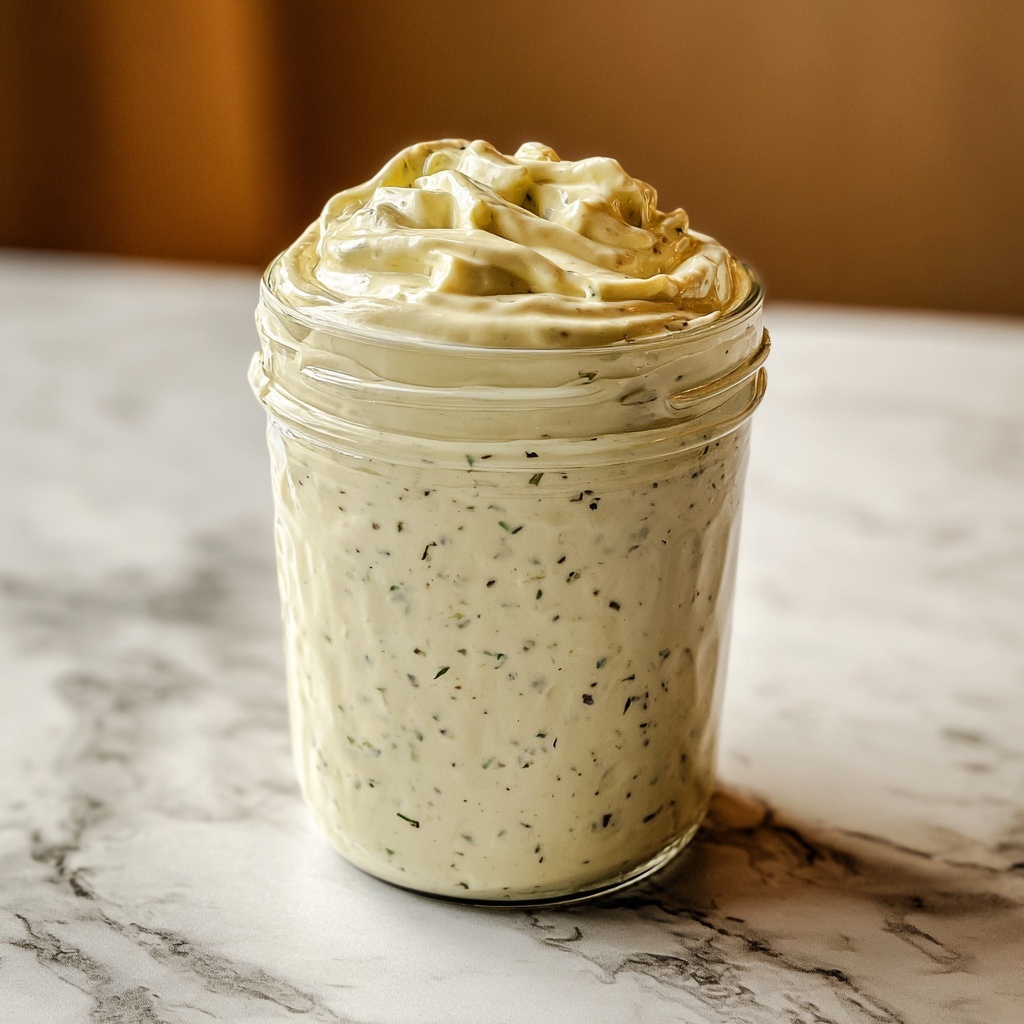
If you’ve ever wished for a salad dressing that delivers all the bright, tangy flavors of Greece but with a rich, velvety texture, you are going to absolutely love this Creamy Greek Salad Dressing Recipe. It’s the perfect balance of zesty lemon, aromatic oregano, and a smooth garlicky punch all brought together in a luscious, creamy blend that takes your ordinary salad to extraordinary. This dressing isn’t just about taste—it creates a delightful, luxurious coating on every crisp vegetable, making each bite a celebration of freshness and flavor you’ll reach for again and again.
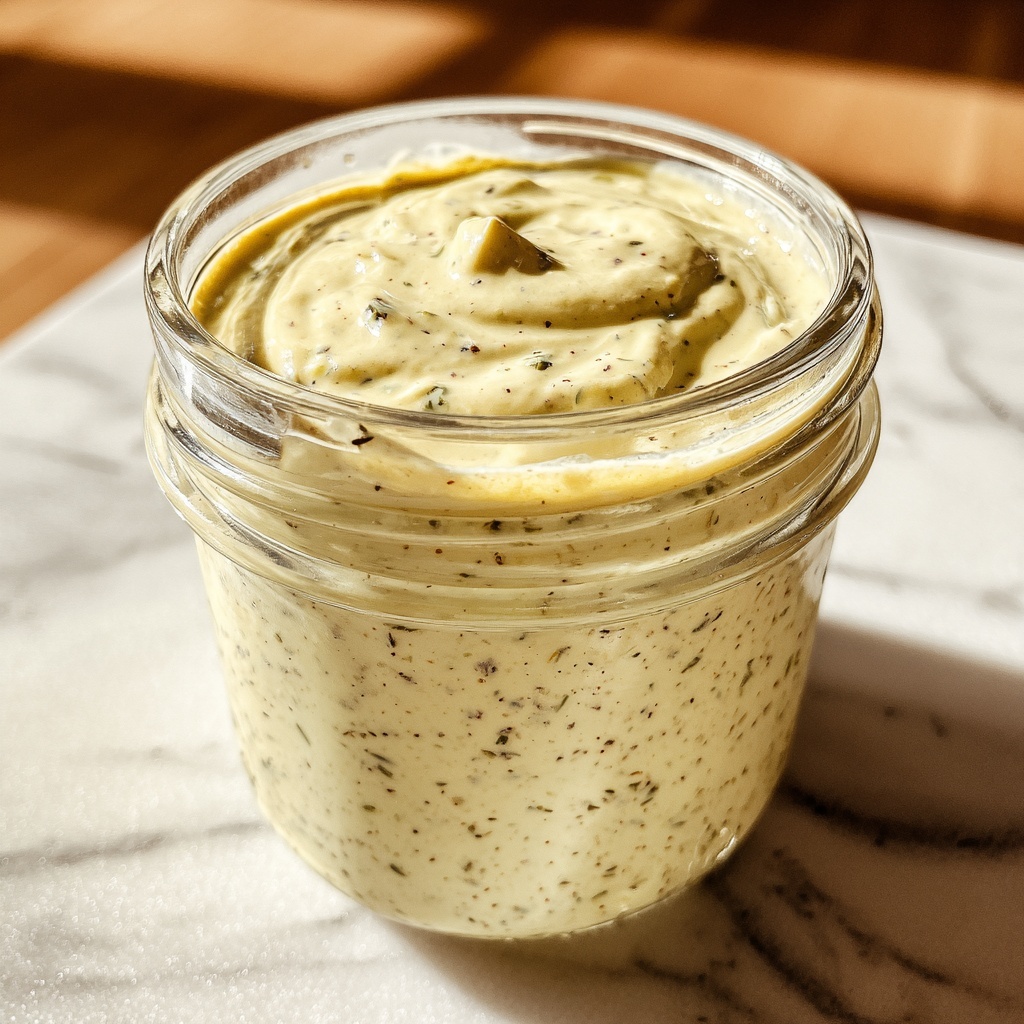
Ingredients You’ll Need
The magic of this Creamy Greek Salad Dressing Recipe lies in its simple yet thoughtfully chosen ingredients. Each element plays a crucial role: from the richness and silkiness the egg provides to the bright acidity of lemon juice and the herbal earthiness of oregano—it’s a melody of flavors working in harmony that’s easy to recreate at home.
- 1 large egg, at room temperature: This adds body and creaminess, helping the dressing emulsify beautifully.
- 2 teaspoons Dijon mustard: Acts as a natural emulsifier with a slight tangy kick that lifts the flavor.
- ½ teaspoon salt: Enhances overall flavor and balances acidity.
- ¼ teaspoon black pepper: Adds a subtle spice and depth.
- ¾ cup canola oil: The base fat that creates a rich mouthfeel without overpowering other flavors.
- 1 tablespoon lemon juice: Brings brightness and that classic Greek salad tartness.
- 1 teaspoon garlic powder: Offers a mellow yet distinctive garlicky warmth without overpowering.
- ½ teaspoon dried oregano: The herb that delivers an authentic Mediterranean flair.
How to Make Creamy Greek Salad Dressing Recipe
Step 1: Combine the Base Ingredients
Start by adding the egg, Dijon mustard, salt, black pepper, lemon juice, garlic powder, and dried oregano into a blender or food processor. These ingredients are your flavor foundation and the first step to achieving that distinctive creamy texture.
Step 2: Begin Blending on Low
Blend everything on a low speed just until well combined. This gentle mixing lets the mustard and egg start to bind the ingredients, setting the stage for a smooth emulsion.
Step 3: Slowly Add Canola Oil
With the blender motor running on low, slowly drizzle in the canola oil in a steady stream. This gradual addition is crucial as it allows the oil to emulsify properly, thickening the dressing and creating that luxuriously creamy consistency that coats your salad beautifully.
Step 4: Taste and Adjust
Once the dressing has thickened, give it a quick taste. Don’t hesitate to adjust the seasoning here—maybe a tiny bit more salt or lemon juice—to tailor it perfectly to your palate.
Step 5: Store for Freshness
Transfer your freshly made cream Greek dressing to a clean jar or an airtight container, and refrigerate. This recipe stays fresh and flavorful for up to one week, ready whenever your salad cravings hit.
How to Serve Creamy Greek Salad Dressing Recipe
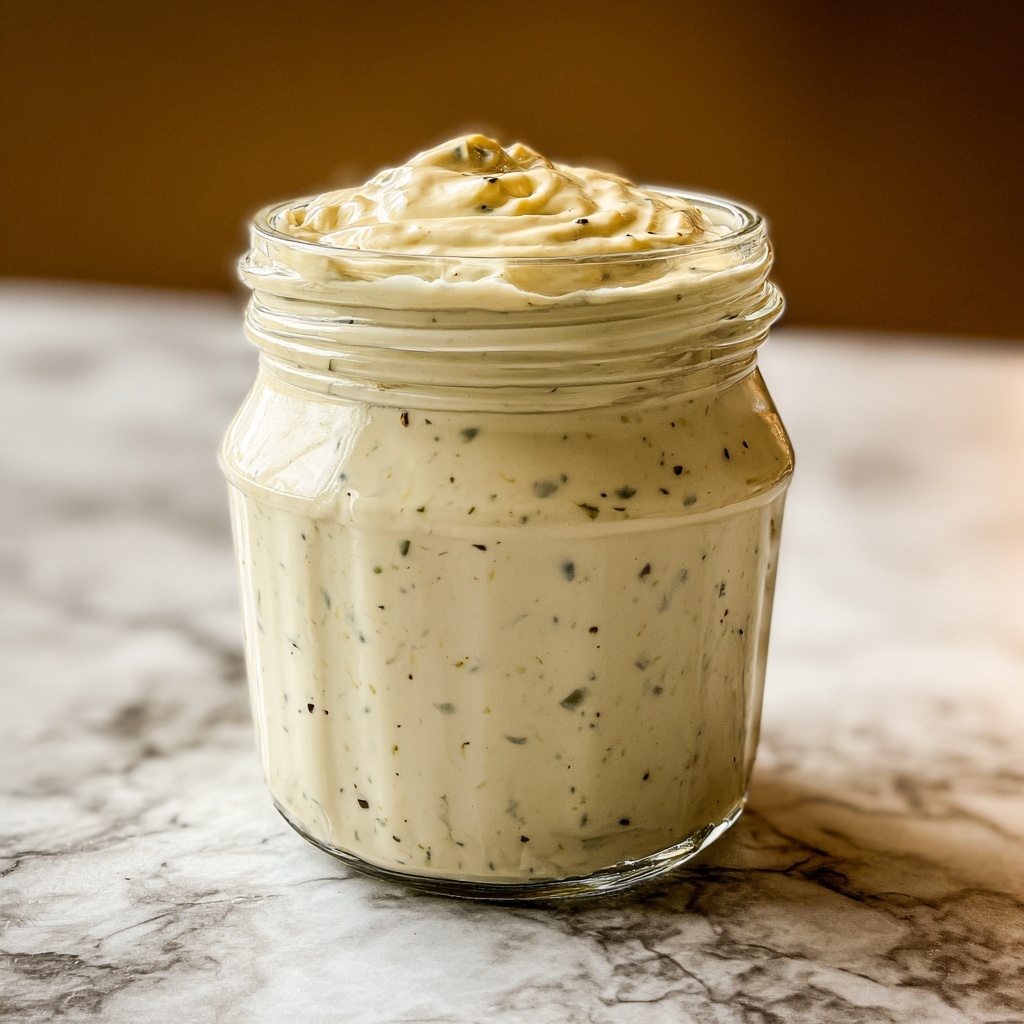
Garnishes
A sprinkle of crumbled feta, some kalamata olives, or thinly sliced red onions add fantastic texture and contrast when paired with this creamy dressing. These garnishes enhance the Greek vibe and keep every bite interesting.
Side Dishes
This dressing shines when paired with a crisp Greek salad full of cucumbers, tomatoes, peppers, and red onions. It also pairs beautifully with grilled chicken or lamb, making it a versatile addition to any Mediterranean-inspired meal.
Creative Ways to Present
For a fun twist, try drizzling this dressing over roasted vegetables or even as a dip alongside warm pita bread. Its creamy texture and bold flavors elevate simple appetizers and give you plenty of creative options beyond just salads.
Make Ahead and Storage
Storing Leftovers
The Creamy Greek Salad Dressing Recipe keeps well in the fridge for up to a week. Make sure to store it in an airtight container to maintain freshness and prevent it from absorbing other fridge odors.
Freezing
This dressing is best enjoyed fresh and does not freeze well due to its emulsion. Freezing may cause it to separate and alter texture, so it’s better to prepare it in manageable batches.
Reheating
No reheating necessary—this dressing is meant to be served cold or at room temperature. Just give it a good shake or stir before serving if it has been stored.
FAQs
Can I use a substitute for the raw egg in this Creamy Greek Salad Dressing Recipe?
Yes, if you prefer not to use raw egg, you can substitute with mayonnaise or Greek yogurt to maintain creaminess, though the texture and tang might differ slightly.
Is canola oil the best choice for this dressing?
Canola oil is neutral in flavor and helps bring a smooth texture, but you can use light olive oil or avocado oil for a slightly different taste profile while still maintaining creaminess.
How can I make this dressing vegan?
To make a vegan version, replace the egg and Dijon mustard with aquafaba and use a vegan mustard. Also, ensure you choose vegan-friendly oils and seasonings.
Why is slow drizzle of oil important in this recipe?
Adding oil slowly while blending allows the mixture to emulsify properly, which means the oil and liquids combine into a stable, creamy dressing instead of separating.
Can I use fresh garlic instead of garlic powder?
Absolutely! Fresh garlic will provide a more pungent and sharper garlic flavor, so start with a small amount and adjust to taste to avoid overpowering the dressing.
Final Thoughts
This Creamy Greek Salad Dressing Recipe is an absolute game-changer for anyone who loves bright, flavorful salads with a rich, indulgent twist. It’s effortless to whip up and truly elevates every salad it touches. I can’t wait for you to try it and discover just how versatile and delicious a homemade dressing can be in your kitchen.
Print
Creamy Greek Salad Dressing Recipe
- Prep Time: 5 minutes
- Cook Time: 0 minutes
- Total Time: 5 minutes
- Yield: 1 serving (approximately ¾ cup of dressing)
- Category: Salad Dressing
- Method: Blending
- Cuisine: Greek
Description
This Creamy Greek Salad Dressing is a smooth, flavorful blend perfect for salads and marinades. Made with Dijon mustard, lemon juice, garlic, and oregano, emulsified with canola oil and a fresh egg to create a rich yet tangy dressing, all ready in just 5 minutes.
Ingredients
Ingredients
- 1 large egg, at room temperature
- 2 teaspoons Dijon mustard
- ½ teaspoon salt
- ¼ teaspoon black pepper
- ¾ cup canola oil
- 1 tablespoon lemon juice
- 1 teaspoon garlic powder
- ½ teaspoon dried oregano
Instructions
- Prepare Ingredients: Gather 1 large egg at room temperature, Dijon mustard, salt, pepper, lemon juice, garlic powder, and dried oregano to prepare for blending.
- Combine Initial Ingredients: Add the egg, Dijon mustard, salt, black pepper, lemon juice, garlic powder, and oregano into a blender or food processor to prepare the base of the dressing.
- Blend Mixture: Blend on low speed until all ingredients are well combined and smooth, ensuring an even base before emulsification.
- Emulsify Dressing: With the blender or food processor running on low, slowly drizzle in the canola oil in a steady, thin stream. Continue blending until the dressing emulsifies and thickens to a creamy consistency.
- Adjust Seasoning: Taste the dressing and adjust salt, pepper, or lemon juice as needed to achieve the preferred flavor profile.
- Store Dressing: Transfer the creamy Greek salad dressing to a jar or airtight container. Refrigerate and use within 1 week for best freshness and quality.
Notes
- Use a fresh, high-quality egg to ensure safe raw consumption as this recipe uses raw egg in the dressing.
- Ensure the egg is at room temperature to help the dressing emulsify properly.
- Canola oil is recommended for its neutral flavor, but olive oil can be substituted for a more robust taste.
- The dressing can be stored in the refrigerator for up to one week in an airtight container.
- For a thicker dressing, reduce the amount of oil slightly or add a small amount of Greek yogurt.
- If you prefer a thicker dressing without raw egg, you can substitute with mayonnaise or omit the egg and blend very well.