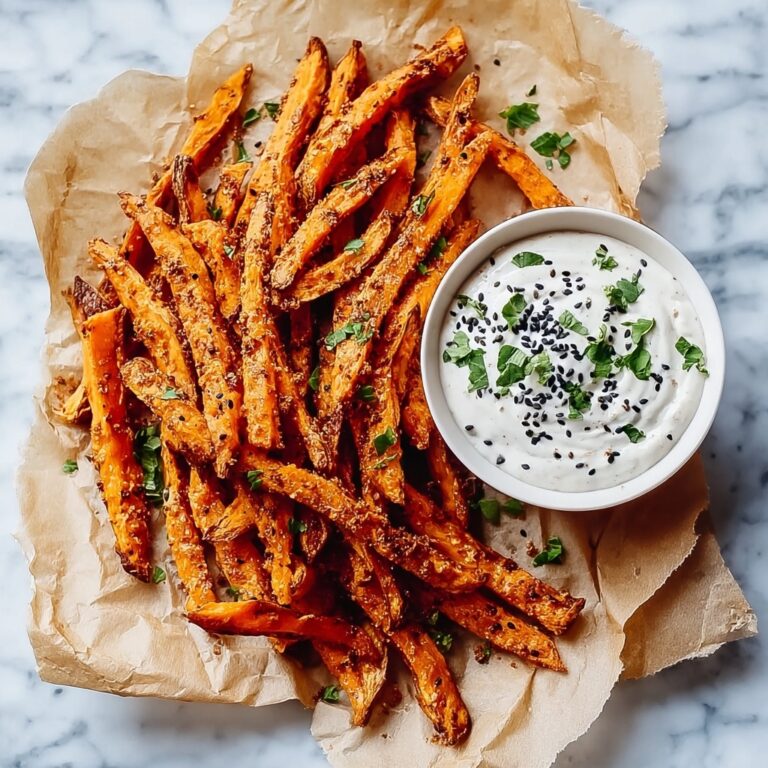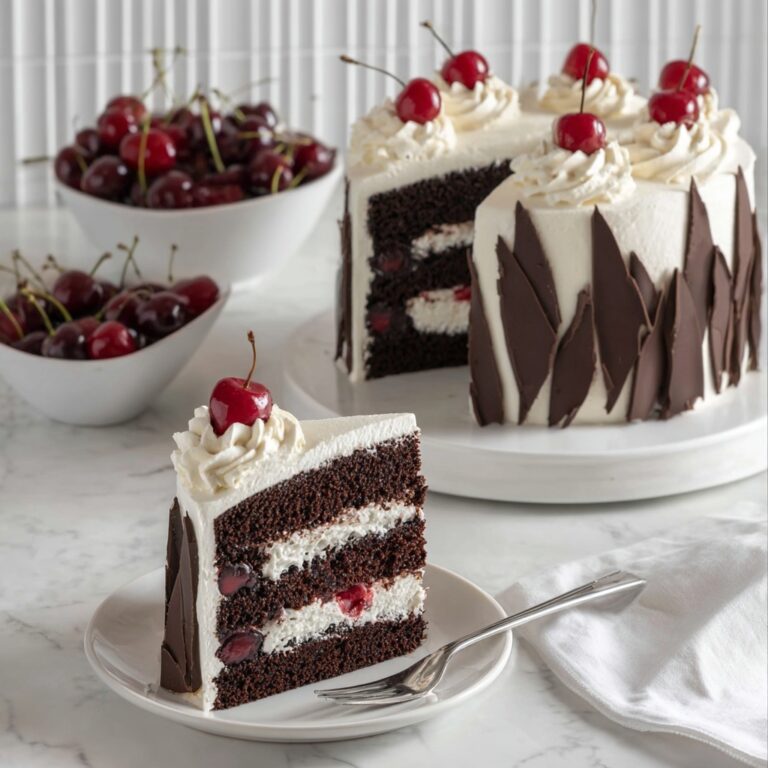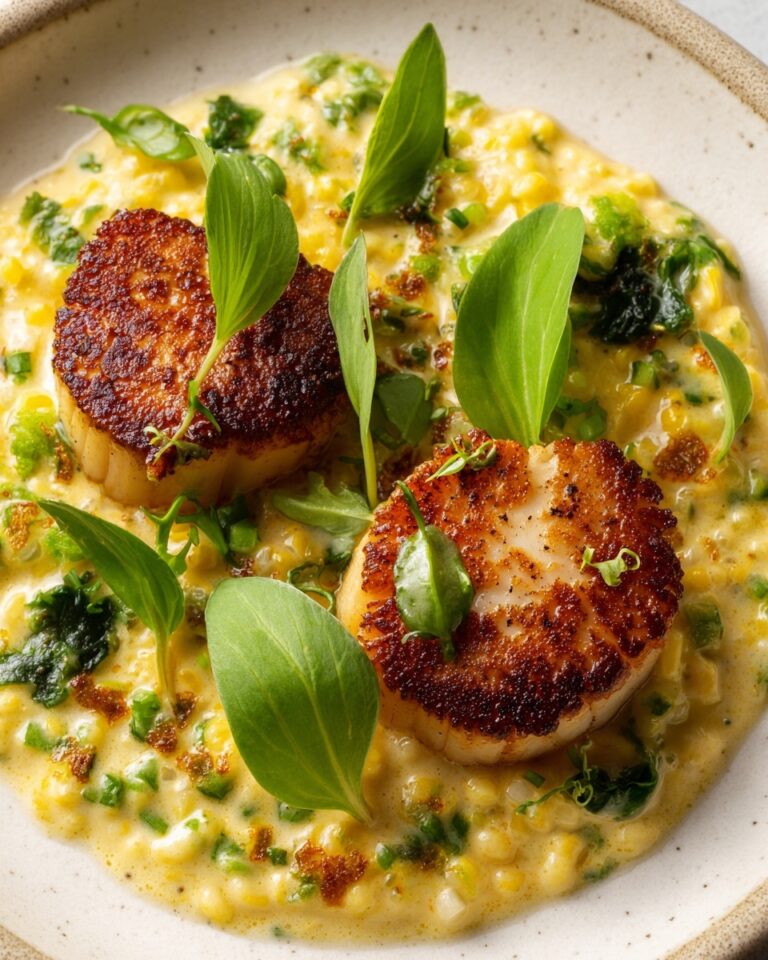
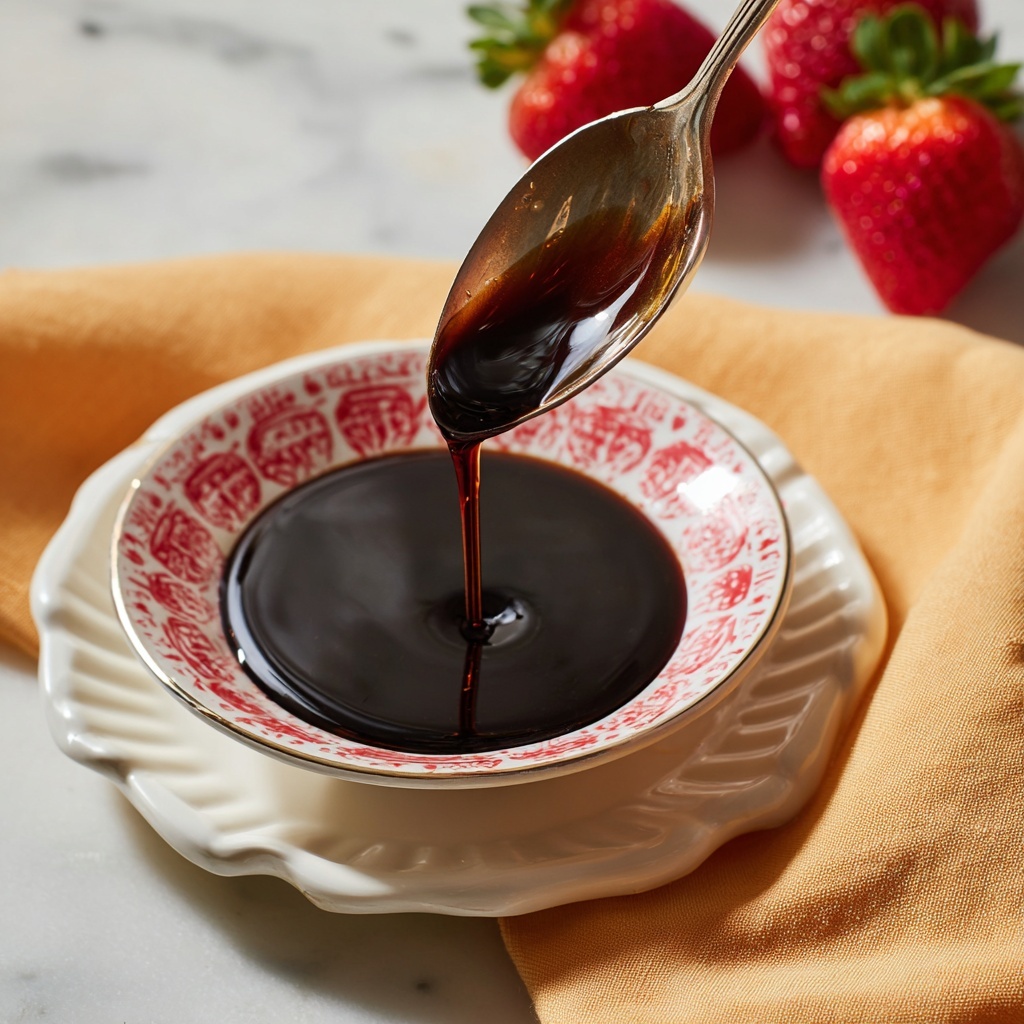
If you’re searching for a simple yet spectacular way to elevate your dishes, this Balsamic Glaze Recipe is an absolute must-try. With just a handful of ingredients, you can transform ordinary meals into extraordinary culinary experiences. The rich, tangy-sweet syrup is perfect for drizzling over everything from salads and roasted veggies to grilled meats and even desserts. Once you master this easy homemade balsamic glaze, you’ll wonder how you ever cooked without it.
Ingredients You’ll Need
Creating the perfect balsamic glaze is surprisingly straightforward, and each ingredient plays an important role in balancing flavor and texture. Together, they work to create that luscious, glossy drizzle that’s both versatile and delicious.
- Balsamic vinegar: The star ingredient, providing deep tanginess and a rich, complex flavor base.
- Brown sugar or honey (optional): Adds a touch of natural sweetness to balance the vinegar’s acidity and enhance the glaze’s syrupy texture.
How to Make Balsamic Glaze Recipe
Step 1: Combine Vinegar and Sweetener
Pour one cup of balsamic vinegar into a small saucepan. If you prefer a sweeter glaze, stir in two tablespoons of brown sugar or honey now. This addition gives your balsamic glaze that perfect hint of sweetness without overpowering the vinegar’s character.
Step 2: Bring to a Gentle Boil
Place the saucepan over medium heat and bring the mixture to a gentle boil. This step activates the reduction process, concentrating the flavors while beginning the transformation into a thick syrup.
Step 3: Simmer Until Thickened
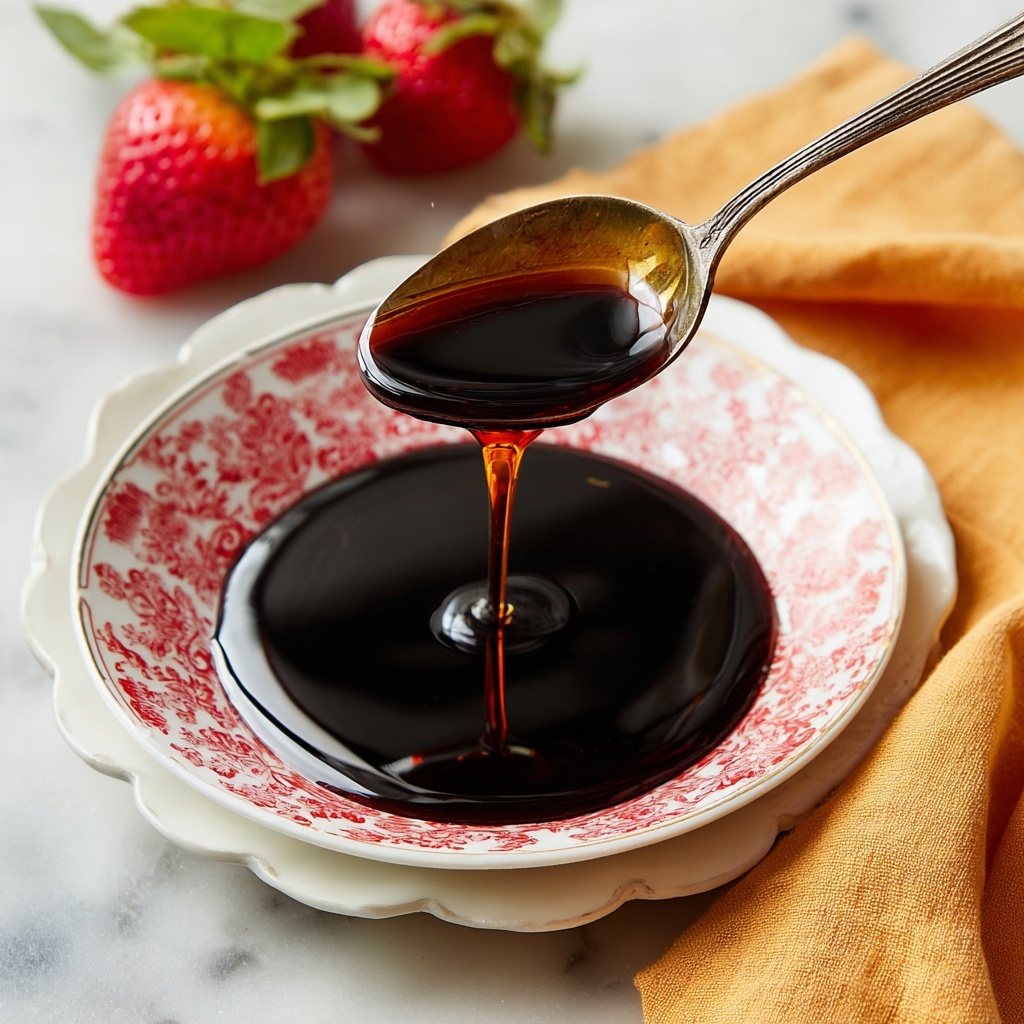
Lower the heat to maintain a gentle simmer and leave the pan uncovered. Stir occasionally and allow the vinegar to reduce for 15 to 20 minutes. You’ll notice the liquid slowly thickens and coats the back of a spoon with a silky texture — that’s exactly what you want.
Step 4: Cool and Store
Remove the pan from heat and let your balsamic glaze cool completely. As it cools, it will thicken further. Transfer the glaze to a clean jar or bottle and store it in the refrigerator. It stays fresh for up to a month, making it easy to have on hand whenever inspiration strikes.
How to Serve Balsamic Glaze Recipe
Garnishes
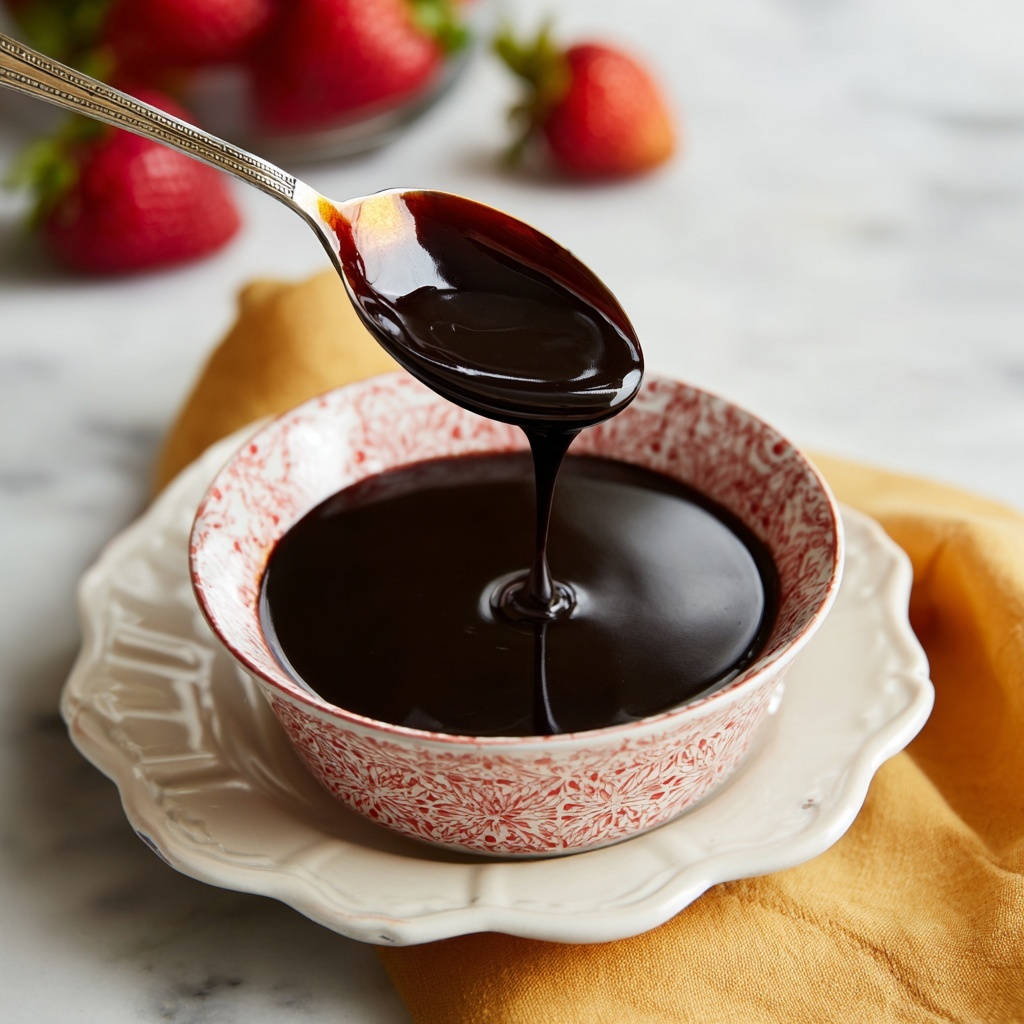
This balsamic glaze is a dream garnish. Drizzle it over fresh mozzarella and ripe tomatoes for a Caprese salad, or add a zigzag on top of grilled peaches and burrata. Its shiny, syrupy finish adds visual appeal and a punch of flavor.
Side Dishes
It’s perfect on roasted vegetables like Brussels sprouts or asparagus, bringing out their natural sweetness while providing that slight tangy contrast. Drizzle it on roasted potatoes or use it to glaze carrots to elevate simple sides into something memorable.
Creative Ways to Present
Try swirling the balsamic glaze artistically on dessert plates before adding cheesecake or vanilla ice cream. It also pairs beautifully with strawberries or figs. For a dramatic touch, use a squeeze bottle to create delicate patterns that suit your creative flair.
Make Ahead and Storage
Storing Leftovers
Your balsamic glaze will keep wonderfully in the refrigerator for up to one month. Make sure to use a clean jar or bottle with a tight lid to maintain freshness and prevent it from absorbing any other fridge odors.
Freezing
While freezing isn’t typically necessary for balsamic glaze due to its long fridge life, you can freeze small portions in ice cube trays if you want to preserve it longer. Just thaw as needed before reheating gently.
Reheating
If your glaze thickens too much after refrigeration, no worries—simply warm it gently in a small saucepan or microwave in short bursts. Stir until it loosens back into that silky consistency, ready to drizzle again.
FAQs
Can I make balsamic glaze without sugar?
Absolutely! The brown sugar or honey is optional and mostly used to add sweetness. Reducing balsamic vinegar alone will still produce a rich, tangy glaze that’s delicious and suitable if you prefer less sweetness.
How thick should my balsamic glaze be?
The perfect glaze coats the back of a spoon smoothly and drips slowly. It should be syrupy but not too runny. Keep in mind it thickens more as it cools, so stop simmering just before it looks too thick on the stove.
Can I use other types of vinegar?
Balsamic vinegar is unique because of its sweetness and complexity. While you can experiment with red wine vinegar or apple cider vinegar, the flavor and texture won’t be quite the same as a true balsamic glaze.
What dishes pair best with balsamic glaze?
This glaze is incredibly versatile! It shines on salads, grilled meats, roasted vegetables, fresh fruits, and even desserts like ice cream or cheesecake. It’s your secret weapon for adding a gourmet touch effortlessly.
How do I prevent the glaze from burning?
Keep the heat low during simmering and stir occasionally to avoid burning. Reducing slow and steady ensures the vinegar thickens without developing a bitter or burnt flavor.
Final Thoughts
This Balsamic Glaze Recipe is truly a game-changer in the kitchen. It’s effortless to make but adds a luxurious depth of flavor that makes everyday meals extra special. Give it a try, and soon you’ll find yourself reaching for it to elevate everything from salads to desserts. Once you’ve tried homemade balsamic glaze, store-bought versions will just not compare!
Print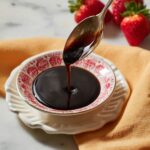
Balsamic Glaze Recipe
- Prep Time: 2 minutes
- Cook Time: 20 minutes
- Total Time: 22 minutes
- Yield: About ½ cup
- Category: Condiment
- Method: Simmering
- Cuisine: Italian
- Diet: Vegan
Description
This easy Balsamic Glaze recipe yields a sweet and tangy reduction perfect for drizzling over roasted vegetables, grilled meats, fresh salads, or desserts. Made by simmering balsamic vinegar with optional brown sugar or honey, this homemade glaze thickens into a syrupy consistency that adds vibrant flavor with minimal ingredients.
Ingredients
Ingredients
- 1 cup balsamic vinegar
- 2 tablespoons brown sugar or honey (optional, for added sweetness)
Instructions
- Combine Ingredients: Pour the balsamic vinegar into a small saucepan. If you want added sweetness, stir in the brown sugar or honey now to evenly distribute.
- Simmer the Mixture: Heat the saucepan over medium heat until the mixture comes to a gentle boil. Then reduce the heat to low and let it simmer uncovered, stirring occasionally. Allow it to reduce for 15–20 minutes until thickened to a syrupy consistency that coats the back of a spoon.
- Cool the Glaze: Remove the saucepan from the heat and let the balsamic glaze cool. It will thicken further as it cools, reaching the perfect drizzle texture.
- Store Properly: Transfer the cooled glaze into a clean jar or bottle. Store it in the refrigerator where it will keep for up to 1 month. If the glaze becomes too thick after chilling, gently reheat to loosen it before using.
Notes
- Use this glaze to drizzle over roasted vegetables, grilled meats, salads, fresh fruit, or desserts like vanilla ice cream or cheesecake.
- If the glaze thickens too much in the refrigerator, gently warm it to return to a pourable consistency.
- Substitute honey with brown sugar to maintain a vegan-friendly glaze.